

Making predictions for Carabao Cup matches feels different than forecasting Premier League fixtures. There’s something fundamentally unstable about trying to predict outcomes when you don’t know who’s actually playing until 60 minutes before kickoff. Yet that instability is precisely what makes the competition interesting from a forecasting perspective. The chaos creates patterns, and those patterns create edges for people willing to dig deeper than surface-level analysis.
I’ve spent years refining my approach to Carabao Cup predictions, and I’ve learned that traditional forecasting methods break down quickly when managers rotate seven players and motivation levels swing wildly. What works is building a framework that accounts for the competition’s unique variables while remaining flexible enough to adapt as circumstances change. It’s less about complex statistical models and more about systematic thinking that captures what actually matters.
The honest truth is that nobody consistently predicts cup matches with high accuracy. Anyone claiming 80% success rates is either lying or cherry-picking results. What you can do is improve your hit rate from random chance – maybe 33% on three-way markets – to something meaningfully better, perhaps 40-45%. That improvement sounds modest but compounds dramatically over hundreds of predictions when you’re betting value rather than favorites.
This framework isn’t a crystal ball. It won’t tell you that Fulham beats Manchester United 2-1 on Tuesday night with certainty. What it does is systematically evaluate the factors that genuinely influence Carabao Cup outcomes, helping you build probability assessments that are more accurate than bookmaker odds. That gap between your assessment and market prices is where profits live.
Understanding What Actually Matters
Before building any prediction framework, you need to strip away the noise and focus on variables that genuinely influence cup match outcomes. League form matters less than you’d think. Last season’s head-to-head results barely matter at all. What does matter is team selection, motivation levels, tactical matchups with the actual players on the pitch, and situational factors that don’t appear in databases.
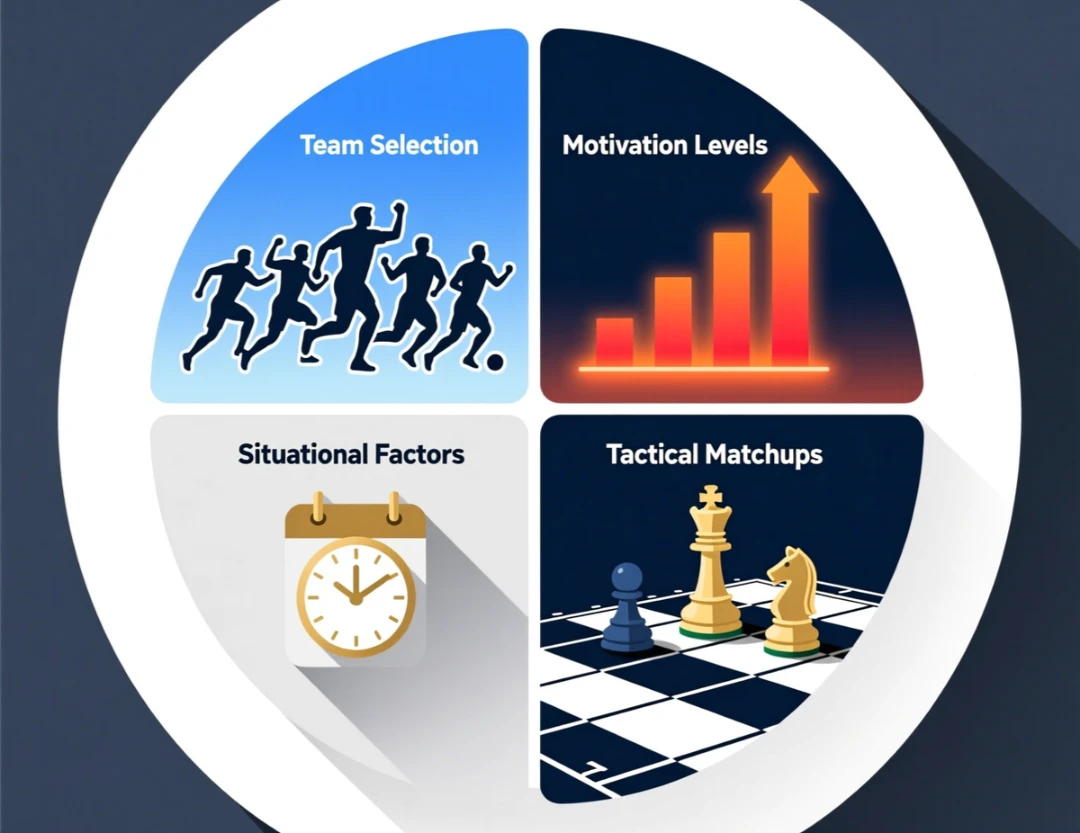
Team selection obviously sits at the foundation of everything. A Manchester City lineup featuring Haaland, De Bruyne, and Rodri is fundamentally different from one with Alvarez, Phillips, and academy players. Yet both scenarios are possible in the Carabao Cup, and your prediction must account for which version shows up. Getting this wrong invalidates everything else in your analysis.
Motivation operates on multiple levels simultaneously. There’s club-level motivation – does this team view the Carabao Cup as a trophy opportunity or an inconvenience? There’s manager-level motivation – is the boss fighting for his job and needs silverware, or comfortably secure and prioritizing league position? There’s player-level motivation – are these fringe players desperate to impress, or established stars going through the motions?
Tactical matchups become clearer once you know the actual personnel. A team that dominates possession in the league might struggle when fielding a reserve midfield that can’t control games. Conversely, a side that’s been defensively shaky might look solid when their starting center-backs get rare minutes together. Your prediction framework must evaluate tactics based on who’s actually playing, not who played last weekend.
Situational factors include everything from fixture congestion to injury situations to recent cup history. A team coming off three matches in seven days will approach a midweek cup tie differently than one that’s been rested. These contextual elements don’t show up in form tables but massively influence outcomes.
Building Your Information Gathering System
Accurate predictions require information, and information in Carabao Cup betting means knowing about team selection before odds adjust properly. You need a systematic approach to gathering intelligence about likely lineups, tactical intentions, and circumstantial factors that will influence the match.
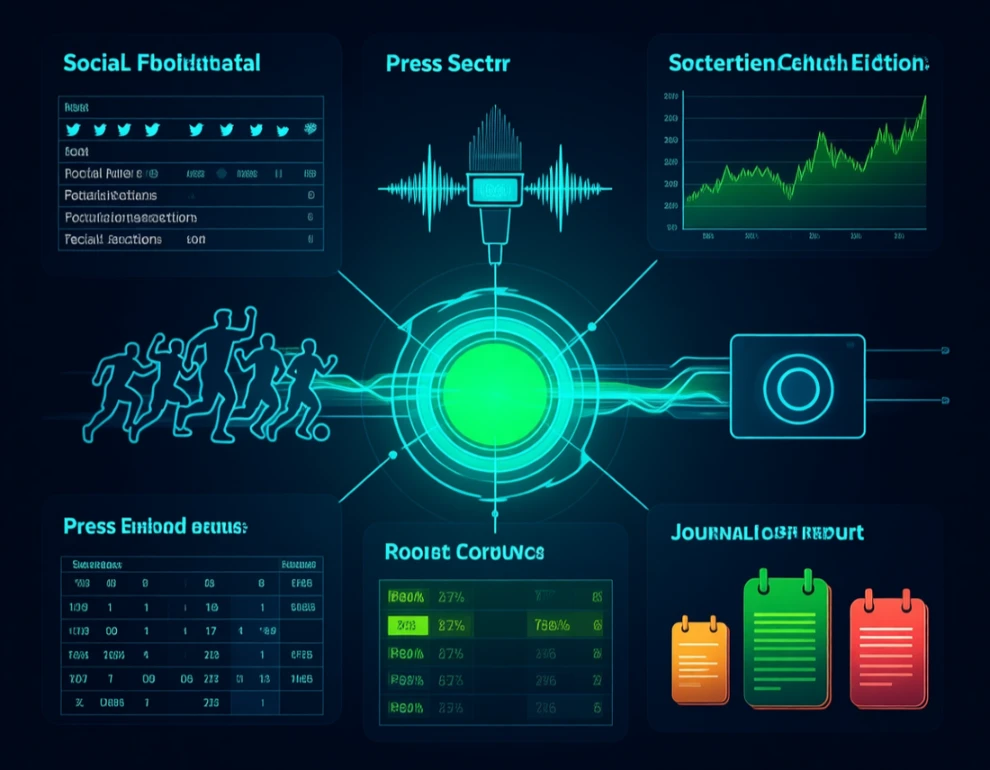
Press conferences are essential viewing or reading. Managers telegraph their intentions more clearly than most people realize. When Jurgen Klopp says “we’ll see who’s available” or “young players will get opportunities,” that’s code for massive rotation. When he talks about respecting the competition and going for trophies, expect stronger lineups. Learning each manager’s language patterns helps decode their actual intentions behind corporate speak.
Social media and journalist reports fill gaps that official channels leave. Beat reporters covering teams often know lineup details hours before official announcements. Following the right journalists on Twitter or checking team-specific forums provides information edges. You’re not looking for insider tips – you’re aggregating publicly available information that casual bettors don’t bother finding.
Historical patterns matter tremendously. Track how each manager rotates across different cup rounds. Some managers make eight changes in the third round, six in the fourth, four in the quarter-finals, and field full-strength teams in semis. Others maintain heavy rotation until finals. These patterns are remarkably consistent and help predict future selections even without specific team news.
Fixture schedules tell you everything about likely rotation intensity. Check what matches surround the cup tie. A team with crucial league fixtures before and after will rotate heavily. A team in the middle of an easy run of fixtures might keep stronger players involved. The context around each match influences selection more than the cup tie’s importance in isolation.
I maintain spreadsheets tracking rotation patterns for every Premier League team and many Championship sides. When they make changes, who comes in, which positions get rotated most heavily, and how that correlates with upcoming fixtures. It’s tedious work, but this database makes lineup prediction far more accurate than guessing.
The Team Selection Prediction Model
Once you’ve gathered information, you need a systematic way to predict actual lineups. This isn’t about certainty – you’ll never know for sure until teams are announced – but about building probability distributions around different lineup scenarios and adjusting predictions accordingly.
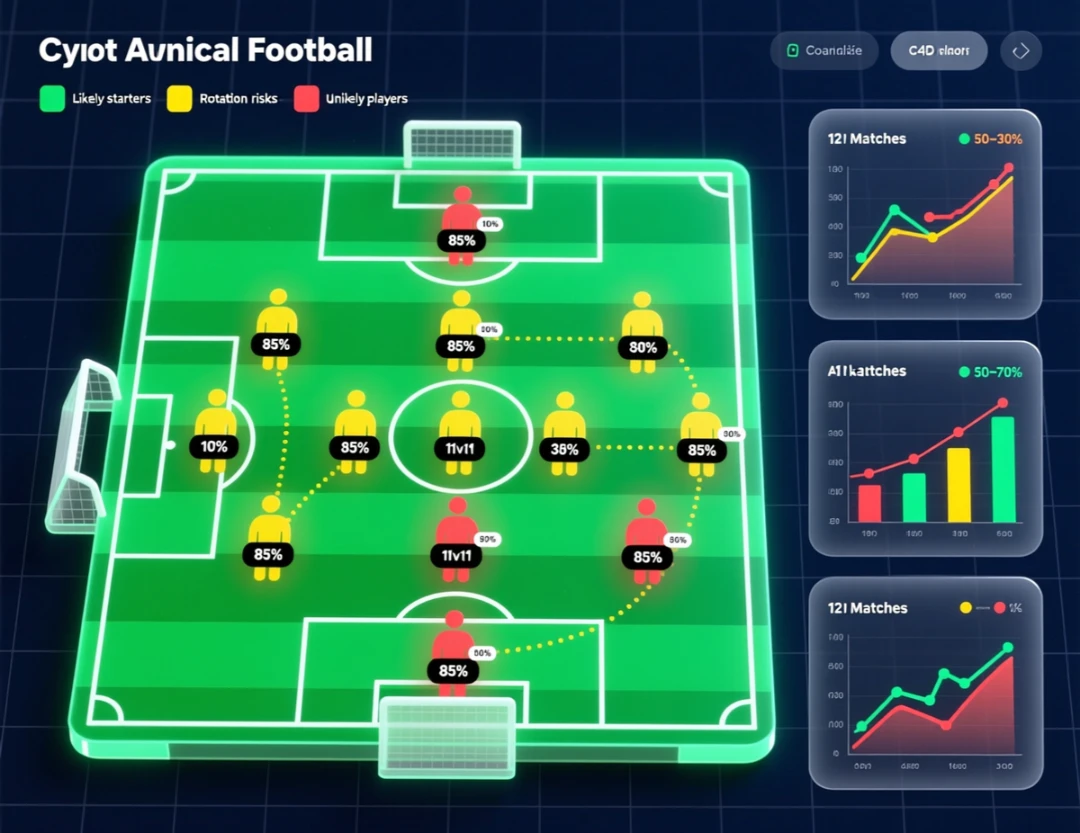
Start by establishing baseline rotation expectations based on historical patterns. If Chelsea typically makes seven changes in third-round ties with Premier League fixtures nearby, that’s your starting point. Adjust from there based on current circumstances – more rotation if key players are injured or exhausted, less if they’re chasing silverware after poor league form.
Categorize players into rotation certainty levels. Some players never feature in early cup rounds regardless of fitness – your Salahs and Haalands in third-round ties. Others always play when fit because they’re squad players seeking minutes. Most fall somewhere between, and you’re assessing probabilities. Is this 30% likely, 60%, 90%? These probability assessments feed directly into your match predictions.
Build multiple lineup scenarios and evaluate each one. Scenario A might be maximum rotation with mostly reserves. Scenario B could be moderate rotation mixing first-team and squad players. Scenario C might be near full-strength. Assign probabilities to each scenario based on your information gathering, then run tactical analysis on each potential matchup.
The key insight is that you don’t need to predict the exact lineup to make accurate match predictions. You need to understand the range of possible lineups and their implications. If every realistic lineup scenario points toward the same outcome, you have a strong prediction regardless of selection uncertainty. If outcomes vary wildly based on selection, you’ve identified a match to avoid betting or one where lineup information provides huge edges.
I typically work through this process 24-48 hours before matches, update with any new information that emerges, then finalize predictions once lineups are announced. The pre-match framework provides structure, while late information allows refinement. This systematic approach beats both pure guesswork and waiting for lineups to bet into efficient markets.
Motivation and Psychology Assessment
Motivation might be the most important factor that traditional models completely miss. A Championship team treating the Carabao Cup as their Champions League will outperform their ability. A Premier League reserve side going through the motions will underperform dramatically. Getting this right separates profitable predictions from expensive mistakes.
At the club level, assess where this competition sits in the hierarchy of priorities. For Manchester City under Pep Guardiola, the Carabao Cup matters – they’ve won it repeatedly and treat it seriously even with rotation. For clubs fighting relegation, it’s often an unwanted distraction. Mid-table teams with no European football might see it as their only realistic trophy chance and go all-in. These institutional attitudes filter down through team selection and player effort.
Manager motivation varies based on job security and personal history. A manager under pressure needs any success to build momentum and buy time. They’ll take cup runs seriously even at the expense of league performance. Secure managers make more pragmatic decisions, balancing squad fitness against trophy ambitions. Some managers have personal connections to certain competitions – they won it as players or have never won any trophy and desperately want that first success.
Player motivation is individual but predictable in aggregate. First-team regulars forced to play midweek cup matches they’d rather skip rarely give maximum effort. Squad players getting rare starts often try too hard, forcing plays and disrupting team rhythm. Young players making debuts run themselves into the ground. The sweet spot is experienced squad players who are good enough to be comfortable but hungry enough to prove they deserve more minutes.
Recent results create motivation momentum that’s particularly important in cups. A team that just lost three straight might see a cup tie against lower opposition as a chance to rebuild confidence. Conversely, a team on a winning streak might subconsciously relax, especially if they’re rotating heavily. These psychological dynamics don’t show up in underlying metrics but absolutely influence outcomes.
The fascinating thing about motivation is how it compounds or cancels other factors. High motivation can overcome quality gaps and tactical disadvantages. Low motivation neutralizes superior ability. When both teams are equally motivated, quality and tactics dominate. When motivation levels diverge significantly, the more motivated team often finds ways to win regardless of other factors.
Tactical Analysis With Actual Personnel
Traditional tactical analysis assumes teams play their preferred style regardless of personnel. That’s dangerously wrong in cup competitions where rotation changes everything. A possession-based team can’t possess without their technical midfielders. A counter-attacking team can’t counter without pace up front. Your analysis must account for how lineup changes affect tactical approaches.
Start with the fundamental question: can this lineup execute this team’s preferred tactical approach? If Liverpool’s pressing system relies on specific players’ stamina and positioning, how does it function when seven of those players are replaced? Often, heavily rotated teams default to simpler, more direct tactics because complex systems require familiarity and chemistry that mixed lineups lack.
Evaluate specific positional matchups with actual players. A League One striker might struggle against Premier League reserve center-backs, but what if those reserves haven’t played together in months? What if the fullbacks are academy players who’ve never faced experienced wingers who know how to isolate and exploit them? These granular matchups matter more than overall quality assessments.
Consider how rotation affects team balance and structure. Teams often rotate unevenly – keeping strong defenders while changing entire midfields, or maintaining creative players while fielding weak defensive shields. These imbalances create specific vulnerabilities. A strong attack with no midfield support struggles to create chances. A solid defense with no attacking threat invites pressure that eventually breaks them down.
Game state influences become magnified with rotated squads. Reserve players respond differently to going behind early – some collapse, others fight harder. Mixed lineups often struggle to close out narrow leads because they lack the game management experience of regular first-teams. These psychological-tactical interactions create betting opportunities in live markets once matches develop.
Formation changes matter enormously when squads are stretched. A team that always plays 4-3-3 might switch to 3-5-2 to accommodate available players. This isn’t just a shape change – it’s a fundamental alteration in how they attack, defend, and transition. Your tactical analysis must recognize these shifts and understand their implications rather than assuming tactical continuity.
Identifying and Exploiting Betting Value
All this analysis means nothing if you can’t convert it into profitable betting decisions. The gap between your assessed probabilities and market odds is where value lives. But finding that gap requires understanding how bookmakers price these matches and where their models break down.
Bookmakers initially price cup matches using the same models as league games, adjusting crudely for expected rotation. They assume both teams rotate similarly and that quality differences remain proportional. This creates massive inefficiencies when rotation is asymmetric or when motivation levels diverge. Early odds often reflect league positions more than cup-specific factors, creating value for prepared bettors.
Market movements tell stories if you know how to read them. Sharp early money often comes from people with lineup information, moving odds before team news breaks publicly. But sometimes markets overreact to partial information or misinterpret manager comments. Learning to distinguish informed moves from noise helps you decide whether to bet immediately or wait for clarity.
Alternative markets often offer better value than match results. Total goals markets might not adjust properly for defensive rotations. Both teams to score prices might miss that one team’s striker rotation removes all goal threat. Asian handicaps can provide value when markets haven’t adjusted for motivation differentials. Corner and card markets are especially inefficient when unfamiliar players create different dynamics.
The key is betting selectively rather than forcing action on every match. Your framework will identify some matches as highly uncertain – multiple lineup scenarios with divergent outcomes. Skip those. It will identify others where every realistic scenario points the same direction. Those are your maximum confidence plays. Most matches fall between, and you’re betting edges, not certainties.
Timing matters tremendously. Betting early captures value before information becomes public and odds adjust. But early betting means accepting lineup uncertainty. Waiting for team news provides clarity but often eliminates value as markets become efficient. I typically split stakes – betting portions early when I identify clear value, holding portions back for post-lineup confirmation or adjustment.
Refine your score predictions with our guide on predicting Carabao Cup scores.
Tracking Results and Refining Predictions
Prediction frameworks only improve through rigorous tracking and honest assessment. Every prediction needs recording – not just what you predicted, but why. What factors drove your assessment? Which information sources influenced you? How confident were you? This data becomes invaluable for identifying strengths and weaknesses in your approach.
Build a results database that goes beyond simple win/loss tracking. Record predicted lineups versus actual lineups. Note assessed motivation levels and whether match dynamics confirmed your assessment. Track when your tactical analysis proved accurate versus when it missed key factors. This granular data reveals which parts of your framework work and which need refinement.
Calibration curves show whether your probability assessments match reality. If you predict 60% probability outcomes, do they actually win 60% of the time? Proper calibration means your confidence levels accurately reflect actual frequencies. Most forecasters are poorly calibrated – they’re overconfident about medium-probability events and underconfident about high-probability ones.
I review my predictions monthly, looking specifically for systematic errors. Am I better at predicting matches at certain stages of the competition? Do I handle matches with heavy rotation better than moderate rotation? Which factors in my framework correlate most strongly with predictive accuracy? This meta-analysis reveals where additional research or framework adjustments will improve results.
Be willing to discard elements of your framework that don’t work. If you’ve been incorporating some variable that you thought mattered but retrospective analysis shows no correlation with outcomes, drop it. Simplification often improves predictions because fewer variables mean less noise and clearer signals.
Common Forecasting Mistakes to Avoid
Even with strong frameworks, certain cognitive biases consistently undermine prediction accuracy. Being aware of these traps helps you avoid them systematically.
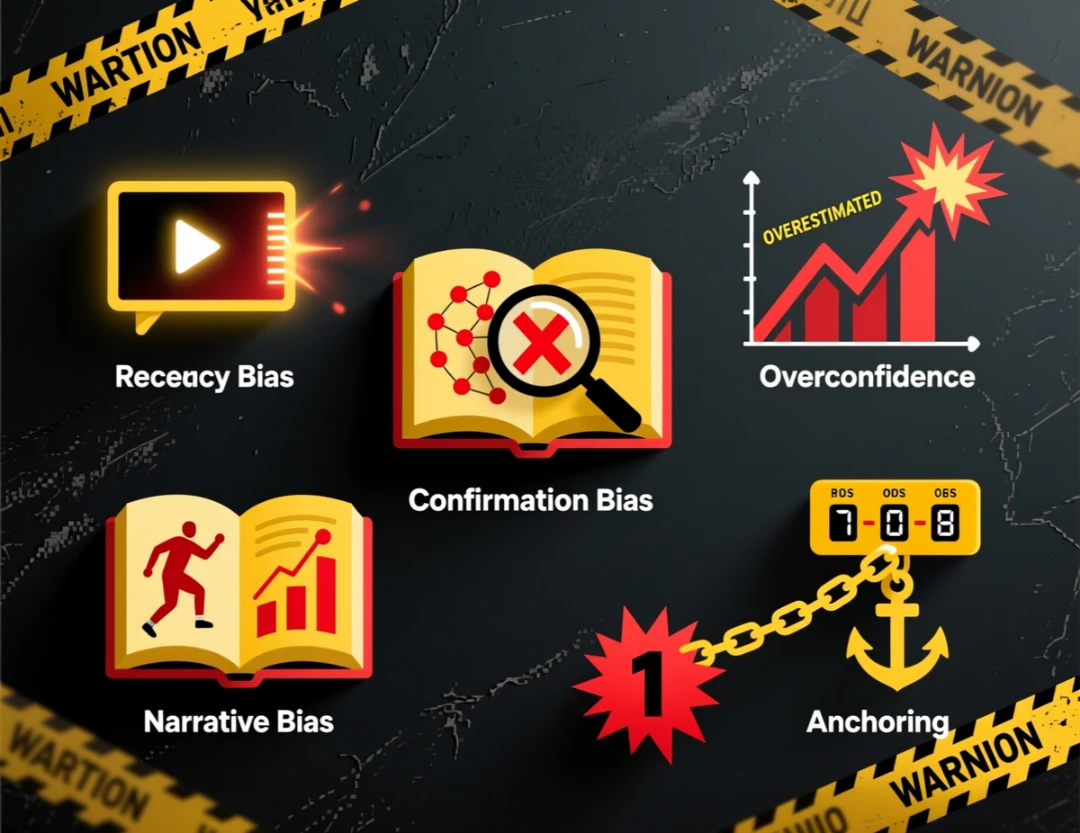
Recency bias makes recent events feel more important than they are. A team that won convincingly in their last match seems stronger, even if that match involved different players against different opposition. Your framework must weight long-term patterns more heavily than recent one-off results, particularly when personnel is changing.
Narrative bias creates compelling stories that feel true but aren’t supported by evidence. “This team is due for a loss” or “underdogs always perform well in cup competitions” are narratives, not analysis. Your predictions must resist these stories and focus on specific factors that actually influence this particular match.
Confirmation bias makes you seek information supporting your initial impression while ignoring contradictory evidence. If you’ve decided Chelsea will win, you’ll notice all the reasons they should win and dismiss reasons they might not. Combat this by actively seeking disconfirming evidence and steel-manning the opposite position.
Overconfidence affects everyone who makes predictions regularly. We remember our successes more vividly than failures and gradually convince ourselves we’re better forecasters than we actually are. Tracking every prediction with brutal honesty provides reality checks against overconfidence.
Anchoring on opening odds creates subtle biases where your probability assessments drift toward bookmaker prices rather than independent analysis. When you see odds of 2.50, it’s psychologically difficult to assess true probability as 60% (implied odds of 1.67) because the anchor pulls you toward the 40% implied by 2.50 odds. Do your analysis before checking odds when possible.
Adapting to Different Cup Stages
Carabao Cup dynamics shift across rounds, and your prediction framework needs stage-specific adjustments to remain accurate. Early rounds demand different analytical approaches than semi-finals or finals.
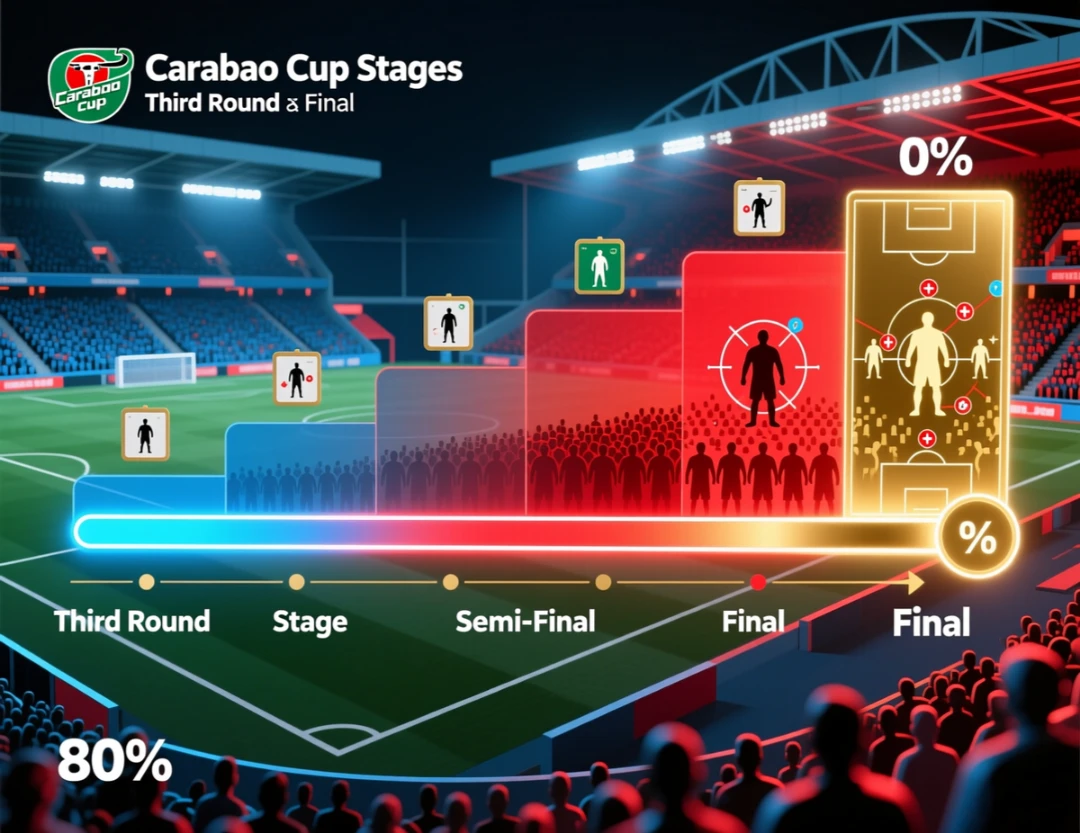
Third and fourth rounds feature maximum uncertainty around team selection. Big clubs rotate extensively, smaller clubs sometimes rotate too, and the unpredictability makes precise predictions nearly impossible. Your framework should emphasize scenario-based thinking, considering multiple possible lineup combinations and their implications.
Quarter-finals represent transition points where big clubs begin taking the competition more seriously but haven’t fully committed. Predictions become slightly easier because lineup uncertainty decreases, but motivation levels are still mixed. Focus heavily on fixture context – teams will prioritize based on what surrounds the quarter-final in their schedule.
Semi-finals dramatically simplify prediction because most teams field strong lineups and motivation is high. Your framework can emphasize traditional factors like form, quality, and tactical matchups because the confounding variables of rotation and motivation largely disappear. However, two-legged semi-finals introduce unique dynamics around away goals and tactical approaches across legs.
Finals are one-off matches where both teams typically go full-strength and care intensely. Predictions should focus on tactical matchups, psychological factors, and big-game experience rather than selection or motivation uncertainties. Finals often defy form and statistical expectations because the pressure and stakes create unique environments.
I maintain separate sub-frameworks for different stages rather than treating all Carabao Cup matches identically. The variables that matter most in round three barely register in finals, while factors like big-game experience that are irrelevant early become crucial late. Adapting your approach to match the specific dynamics of each stage significantly improves predictive accuracy.
Conclusion: Improving Your Carabao Cup Forecasts
Building accurate Carabao Cup predictions requires systematic thinking across multiple dimensions. Team selection analysis forms the foundation, motivation assessment provides crucial context, tactical evaluation with actual personnel determines matchup dynamics, and situational factors like fixture congestion complete the picture. No single element dominates – you need all of them working together.
The framework I’ve outlined isn’t meant to be prescriptive. You should develop approaches that match your analytical strengths and available time. Some people are brilliant at reading tactical matchups but struggle with motivation assessment. Others excel at lineup prediction but miss contextual factors. Build your framework around your strengths while systematically addressing weaknesses.
What matters most is consistency. Apply your framework to every prediction rather than making ad-hoc judgments based on gut feelings. Even if your framework isn’t perfect, systematic application reveals where it needs improvement. Gut feeling predictions provide no feedback loop because you can’t identify specific analytical failures.
Remember that accuracy improvements are marginal in chaotic environments like cup football. Going from 33% to 43% accuracy on three-way markets is massive success, even though you’re still wrong more often than right. Don’t chase perfect predictions – chase better-than-market predictions, because that’s where betting value lives.
The Carabao Cup rewards forecasters who embrace uncertainty rather than pretending it doesn’t exist. Your predictions should include confidence intervals and probability distributions, not just point estimates. This probabilistic thinking helps you make better betting decisions because you know not just what you think will happen, but how confident you are about that assessment.
Finally, accept that some matches are unpredictable and that’s okay. When your framework spits out essentially even probabilities across multiple outcomes, that’s valuable information. It’s telling you to avoid betting or to seek value in alternative markets rather than forcing predictions where none reliably exist. Sometimes the best prediction is acknowledging that you can’t predict something with enough confidence to risk money on it.
Get accurate game forecasts on our EFL betting portal.
