
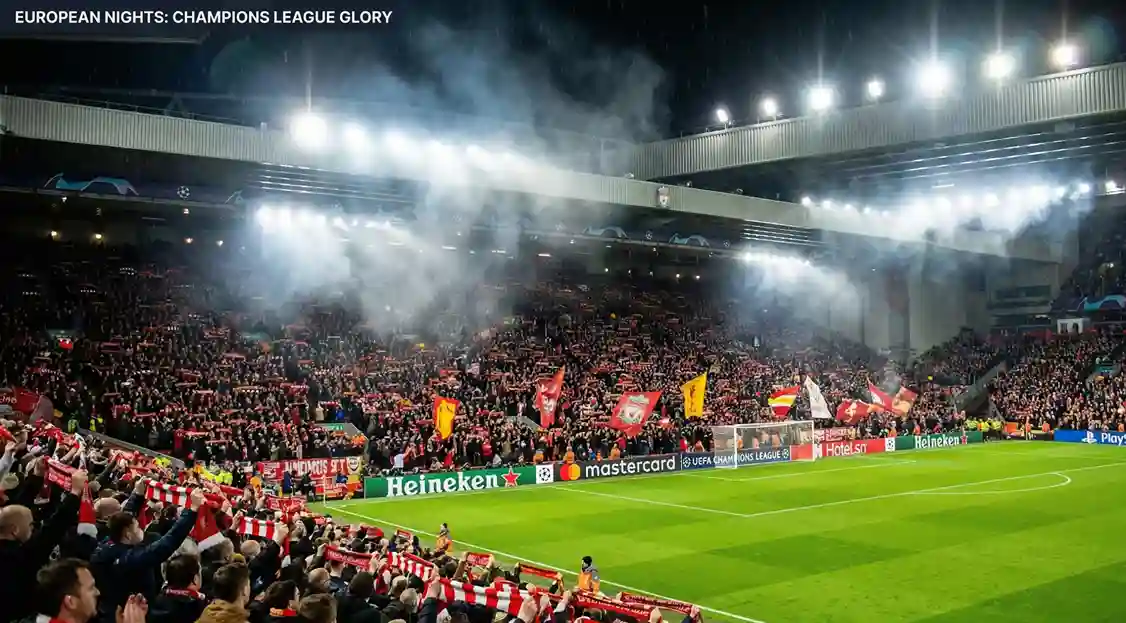
English football’s elite clubs wage war across multiple fronts simultaneously. The Champions League demands peak performance against Europe’s best. The Premier League requires relentless consistency across 38 matches. And somewhere in the fixture chaos sits the Carabao Cup, a competition that clubs want to win but cannot afford to prioritize when continental prestige calls. This hierarchy creates systematic betting inefficiencies that compound throughout the season.
The arithmetic is brutal. A club competing in the Champions League and pursuing domestic success faces potential fixture counts exceeding 60 matches. The Europa League, despite its theoretically lesser demands, adds similar scheduling pressure. Conference League participants, often clubs without the deepest squads, find their resources stretched thinnest of all. When European fixtures collide with Carabao Cup rounds—which happens repeatedly throughout autumn and winter—something must give. That something is almost always the domestic cup.
The European Calendar Collision
The Champions League’s reformed format, expanded from six to eight league-phase matches, creates unprecedented scheduling conflicts with domestic cups. Third-round Carabao Cup fixtures fall in mid-September, directly coinciding with Champions League matchday one. The EFL acknowledged this reality by splitting the round across two weeks, but the fundamental tension remains: clubs cannot prepare adequately for both competitions when they fall within days of each other.
Europa League scheduling compounds the problem. Its Thursday fixtures create three-day turnarounds to Sunday Premier League matches, with Carabao Cup ties potentially squeezed into the preceding Tuesday or Wednesday. Teams face sequences where they play Thursday, Sunday, and midweek with no recovery window exceeding 72 hours—exactly the conditions that sports science identifies as injury-promoting and performance-degrading.
Conference League participants face perhaps the cruelest scheduling. These are typically clubs that qualified through league position rather than trophy wins, meaning their squads lack the depth that Champions League regulars enjoy. Yet they face similar fixture congestion with fewer resources to absorb it. West Ham’s run to the Conference League trophy in 2023 came at a visible cost to their domestic form; future English participants face the same impossible tradeoff.
The betting implication is clear: European fixtures reliably predict Carabao Cup rotation. When Arsenal play Champions League football on Tuesday, expect significant changes for any cup match the following week. When a Europa League side faces a Thursday fixture followed by Sunday league action, their cup lineup—if the rounds align—will feature players the betting public barely recognizes.
Quantifying the Priority Hierarchy
Different clubs place the Carabao Cup at different points in their priority hierarchy, and understanding these distinctions allows more accurate betting predictions.
Clubs genuinely competing for the Premier League title effectively cannot prioritize the Carabao Cup until its later stages. The league’s relentless point accumulation rewards consistency above all else; a fatigued squad losing ground in December cannot recover in May. Title challengers rotate heavily in cup rounds that coincide with crucial league fixtures, viewing the cup as a nice-to-have rather than a must-win.
Champions League knockout participants face the starkest choices. February’s Carabao Cup semi-finals directly overlap with Champions League last-16 ties. A club drawn against Real Madrid or Bayern Munich will field depleted domestic cup lineups regardless of the competitive situation. The European prize—both financially and in prestige—dwarfs anything the Carabao Cup offers.
Clubs outside European competition often invert this hierarchy. For Newcastle, winning the Carabao Cup in 2025 represented a genuine trophy opportunity that league position couldn’t deliver. For Aston Villa or Brighton chasing their first major honors in decades, the cup path to Wembley offers realistic silverware. These clubs field stronger lineups even when fatigued, creating interesting betting dynamics against rotation-heavy European competitors.
The market partially prices these hierarchies but often misses nuance. Odds reflect Manchester City’s quality without fully accounting for Guardiola’s explicit statement that City won’t “waste energy” on early cup rounds. Prices acknowledge Liverpool’s strength while underweighting their willingness to field teenage lineups when European fixtures loom.
Scheduling issues lead to massive fixture congestion betting opportunities.
Reading European Fixture Context
Specific European match contexts modify domestic cup approaches in predictable ways. Understanding these contexts adds precision to rotation predictions.
Champions League group stage desperation—needing results to qualify—triggers maximum European effort at the expense of everything else. A club needing a win against Inter Milan to reach the knockouts will rest every possible player for surrounding cup fixtures, regardless of opponent. The European stakes justify any domestic sacrifice.
Comfortable group positions allow greater domestic focus. A club already qualified for the Champions League knockouts might rest European starters for dead-rubber continental matches, preserving them for cup or league fixtures. This inversion of typical rotation patterns catches markets off-guard when it occurs.
Europa League playoff rounds and early knockout ties create particular pressure because elimination feels close. The emotional investment in avoiding embarrassing exits often exceeds rational prioritization—managers protect their European campaigns even when deeper cup runs might offer equivalent season value.
Travel distance matters independently of competition prestige. A Thursday evening fixture in Azerbaijan followed by a Sunday Premier League match creates far greater recovery challenges than a trip to Paris. Clubs returning from lengthy European travel rotate more aggressively for subsequent fixtures, including cup matches.
December’s Perfect Storm
The December fixture period represents the annual collision point where European, league, and cup commitments become simultaneously unmissable. The Carabao Cup quarter-finals fall precisely when this storm reaches maximum intensity.
Champions League league-phase matches continue through December, with some clubs still fighting for knockout qualification. The Premier League schedules matches every few days through the Christmas period, with traditional Boxing Day fixtures compressing recovery windows. The Carabao Cup asks clubs to contest quarter-finals amidst this chaos—and clubs respond by treating these ties as secondary concerns.
The 2025-26 season exemplifies these pressures. Quarter-finals scheduled for December 17-18 followed Champions League matchday six on December 10-11 and preceded a packed Christmas fixture schedule. Manchester City, facing West Ham on December 21, rotated heavily against Brentford in their quarter-final four days prior. Arsenal, with Brighton on December 27, made eight changes against Crystal Palace in their cup tie.
For bettors, December quarter-finals offer some of the most reliably exploitable inefficiencies. Market prices often fail to fully adjust for the extraordinary rotation that December congestion forces. Backing underdogs or opposing favorites on handicaps during this period delivers above-expectation returns across seasons.
Semi-Final Strategy Shifts
Something changes in January when Carabao Cup semi-finals arrive. Clubs that have rotated their way to the last four suddenly face genuine trophy proximity. Three matches from Wembley transforms calculation. Managers who spoke about “managing squads” begin discussing “going for it.”
The two-legged format adds strategic complexity. First legs typically see continued caution—why risk injury for a partial result? Second legs, with aggregate positions clarified, produce either procession or desperation. A club trailing after the first leg fields their strongest possible eleven for the return; a club holding a comfortable advantage might rest players with the finish line visible.
European overlap intensifies at semi-final stage. January and February see Champions League knockouts resume, with last-16 ties demanding maximum focus. A club facing Barcelona on Tuesday cannot simultaneously prioritize a Carabao Cup semi-final second leg the following week—and even a first leg that precedes a European tie gets deprioritized.
Track each semi-finalist’s European position and upcoming fixtures. Calculate which clubs can afford to strengthen cup lineups and which face impossible scheduling. These assessments allow positioning on semi-final markets before prices fully reflect the strategic constraints each club faces.
Market Adjustment Dynamics
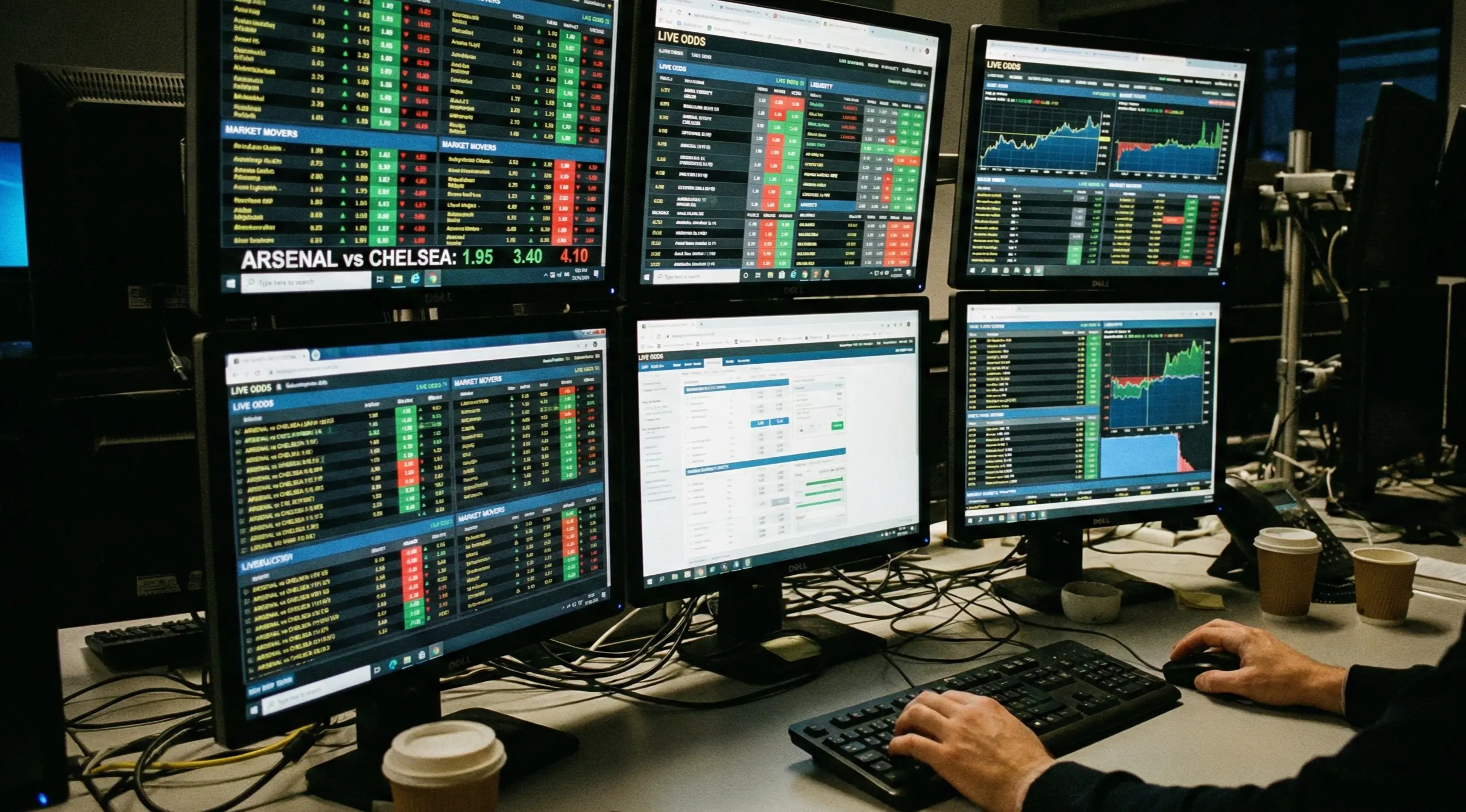
The market adjusts for European competition impacts, but the adjustment is neither instant nor complete. Understanding the timing and extent of these adjustments creates betting windows.
Initial odds often underweight European fatigue. When matchday one prices emerge, they reflect squad quality and recent form without fully accounting for the Thursday fixture that precedes. Sharp money corrects these prices as lineups approach, but recreational bettors placing early in the week often receive outdated odds.
Rotation severity frequently exceeds market expectations. Bookmakers estimate “some changes” when managers plan “total overhauls.” The gap between three changes and eight changes matters enormously for expected performance, but odds might only adjust marginally between these scenarios.
The reverse occasionally occurs in later rounds. Markets sometimes over-discount for European competition when clubs have actually reached points in their continental campaigns where rotation makes sense. A club already eliminated from Europe, or comfortably qualified, might field surprisingly strong cup lineups that odds don’t anticipate.
Building systems to track European fixture contexts—which clubs play when, what they need from those matches, how far they travel—allows identification of mispriced cup markets throughout the season. The clubs competing in Europe provide the clearest rotation signals; exploiting those signals separates informed betting from reputation-based gambling.
Manage your stakes during busy weeks on our betting hub.
