

Carabao Cup betting produces consistent errors that experienced bettors recognize and avoid. The competition’s unique characteristics—rotation dynamics, motivation differentials, knockout format—create analytical traps that league betting experience doesn’t prepare bettors for. Understanding these common mistakes before they destroy your bankroll offers more value than any individual match prediction. The bettor who eliminates systematic errors approaches cup betting with structural advantage over the majority who repeat predictable failures.
These mistakes span analytical approaches, market selection, bankroll management, and psychological responses to cup betting’s inherent variance. Some errors produce immediate losses; others accumulate slowly across seasons. Some feel obviously wrong in hindsight; others seem reasonable until careful examination reveals the flaws. Recognizing yourself in these descriptions—we’ve all made these mistakes—is the first step toward eliminating them from your approach.
The goal isn’t perfect cup betting; that’s impossible in such uncertain territory. The goal is avoiding the predictable mistakes that produce negative expected value regardless of analytical quality. Even excellent analysis fails when undermined by systematic errors in execution, timing, or stake sizing.
Ignoring Lineup Information
The most common cup betting mistake is betting before lineups are confirmed. Pre-match odds on Carabao Cup fixtures reflect bookmaker estimates of likely rotation—but actual lineups often differ from expectations. Betting days in advance locks in positions based on estimated lineup quality that actual selections might contradict.
The problem compounds because lineup variations affect cup matches more dramatically than league matches. The difference between a heavily rotated lineup and a surprisingly strong lineup might swing match probability by ten or fifteen percentage points—far more than most pre-match edge expectations. Your carefully analyzed value position evaporates when unexpected lineup news arrives sixty minutes before kickoff.
The solution is patience. Wait for lineup confirmation before committing significant stakes to cup positions. If you must bet early for price reasons, keep stakes minimal and prepare for potential lineup-based position adjustment. Consider the sixty minutes between lineup announcement and kickoff as your primary cup betting window rather than the days between draw and match.
Some bettors avoid this mistake for match result markets but repeat it for goals or player markets. Over 2.5 goals betting depends heavily on which attackers and defenders play; goalscorer markets obviously depend on player involvement. All cup markets warrant lineup-informed betting.
Overvaluing Quality Metrics
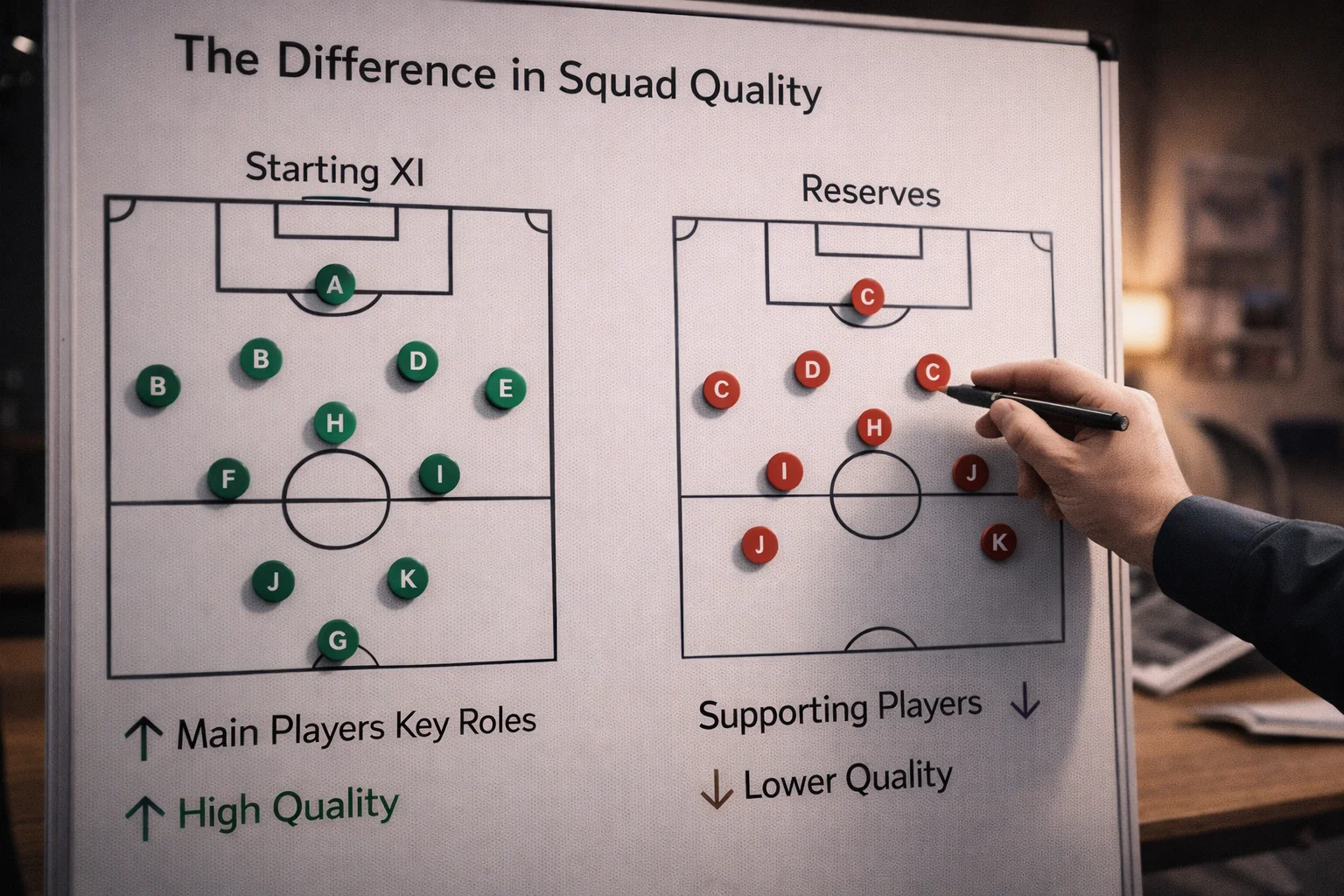
League position, transfer values, and historical results mislead when applied to cup fixtures featuring rotated lineups. A third-place Premier League club is not third-place quality when fielding their reserve lineup. Translating league quality assumptions to cup contexts without rotation adjustment systematically overestimates favorites.
This mistake produces both backing favorites too confidently and dismissing underdogs too readily. When you see “Premier League versus League One” and mentally assign 80% favorite probability without considering which Premier League players actually appear, you’ve fallen into this trap.
The solution requires consciously separating squad quality from expected lineup quality. For each cup fixture, estimate the actual expected lineup quality rather than general club quality. A Premier League B-team might be effectively Championship-level quality; pricing should reflect this effective level rather than the club’s Premier League status.
Building rotation prediction frameworks—understanding which managers rotate heavily, which positions each club protects, how fixture context affects rotation—creates the tools for this quality adjustment. Without such frameworks, guessing replaces analysis.
Assuming League Form Transfers
Recent league results reflect first-choice lineup performance under league-specific conditions. Cup matches feature different players, different motivation levels, and different tactical contexts. Assuming a team riding a five-match league winning streak will maintain that form with their cup lineup commits a category error.
This mistake cuts both ways. A team struggling in the league might field fresher, hungrier players in cup competition—players without the psychological burden of league frustration. A team flying in the league might rest their best players for cup matches, reducing quality below what league form suggests.
The solution involves assessing cup-specific form rather than overall form. How did this team’s cup lineup perform in the previous round? How have their likely cup players performed in recent substitute appearances? These cup-relevant data points predict better than headline league results.
Chasing Accumulator Losses
Accumulator betting in cup contexts—where upset probability is elevated—produces frequent losses that tempt chase behavior. After watching three consecutive accumulators fail on single upset legs, the impulse to increase stakes on “makeup” accumulators feels compelling. This chase pattern accelerates bankroll destruction.
The mathematics of chase betting never favor the bettor. Increasing stakes to recover losses requires winning at maintained edge levels with larger exposure—but the emotional state that produces chase betting usually degrades decision quality simultaneously. You’re betting more precisely when you should be betting less.
The solution requires predetermined stake sizing that doesn’t respond to recent results. Each accumulator receives the same stake regardless of previous accumulator outcomes. Losing streaks end when variance normalizes, not when you increase stakes enough to force recovery.
Learn to manage your units with our guide to Carabao Cup bankroll management.
Neglecting Market Selection
Betting the most obvious market—typically match result—sometimes means betting the least valuable market. Bookmakers apply more analytical resources to match result pricing than to secondary markets like corners, cards, or exact goals. This attention differential sometimes creates value in less-obvious markets that match result betting misses.
Cup bettors often compound this by betting match results in situations where their analysis actually predicts something different. If your rotation analysis tells you a Premier League reserve defense will struggle but doesn’t clarify whether the inferior opponent capitalizes, BTTS or over goals might better capture your thesis than match result betting.
The solution involves matching market selection to analytical conclusions. What specifically does your cup analysis predict? If it predicts defensive vulnerability, bet defensive-related markets. If it predicts narrow victory through set pieces, goalscorer markets might capture this better than comfortable match result pricing. Don’t force predictions into convenient markets; find markets that fit predictions.
Underestimating Penalty Probability
Cup matches that go to penalties—which represent approximately 10-15% of single-leg cup ties—produce outcomes largely disconnected from ninety-minute analysis. Bettors who back favorites without considering shootout probability systematically overestimate their expected return. Match result betting doesn’t win when your predicted winner draws and loses on penalties.
This mistake particularly affects “To Qualify” versus “Match Result” market choice. When penalty probability is significant (perhaps in matches where draw is reasonably likely), qualification markets better capture your thesis than ninety-minute markets—assuming you have views about shootout capability.
The solution requires explicit consideration of shootout probability in every cup bet. Ask: how often will this match go to penalties, and which team wins if it does? If your match result selection frequently loses via shootout, you’re leaking expected value that alternative market selection could prevent.
Ignoring Psychological Factors
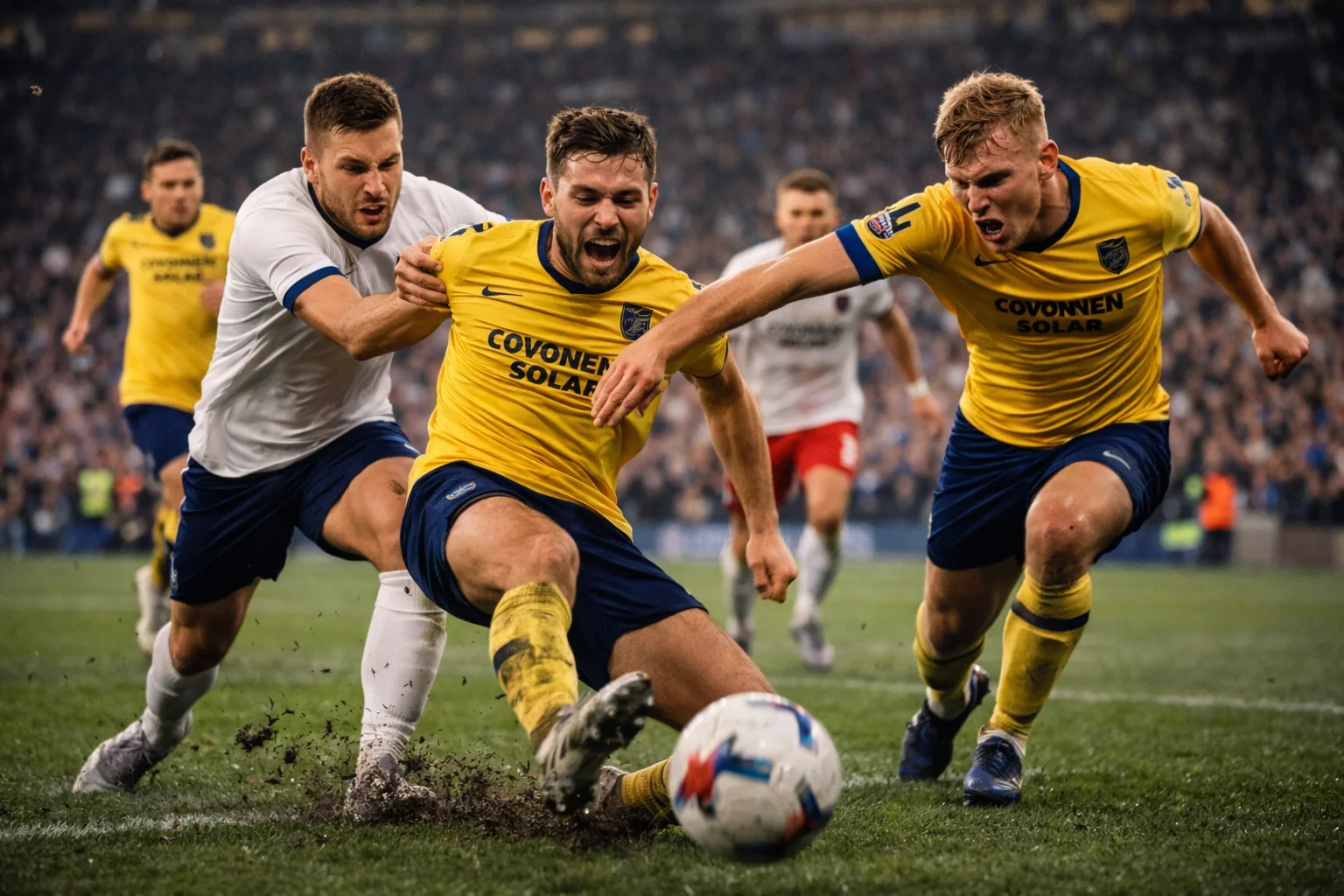
Cup betting analysis often focuses exclusively on squad quality while ignoring motivation, pressure, and circumstantial factors that affect performance. A lower-league club’s biggest match of the season receives different intensity than a Premier League reserve training exercise. These intensity differentials affect outcomes independent of quality gaps.
This mistake produces systematic undervaluation of lower-league clubs against superior opposition and systematic overvaluation of superior clubs who don’t care about winning. Pure quality analysis misses the human factors that determine how much of that quality actually appears on matchday.
The solution involves explicit motivation assessment alongside quality analysis. How much does winning this match matter to each team? Which players have individual motivation (contract year, seeking moves, proving points) that might elevate performance? These factors don’t override quality gaps, but they modify expected performance levels in both directions.
Poor Bankroll Allocation
Cup betting receives either too much or too little bankroll allocation relative to its strategic appropriateness. Some bettors overweight cup betting because matches seem easier to analyze (clear favorites, mismatched fixtures) without recognizing that higher variance requires lower allocation despite apparent clarity. Others underweight cup betting entirely, missing opportunities because they’ve pigeonholed themselves as “league bettors.”
The solution involves calibrating cup allocation to both edge perception and variance reality. If you genuinely have edge in cup analysis—rotation prediction, motivation assessment, lower-league knowledge—cup betting deserves meaningful allocation. But that allocation should use smaller unit sizes than league betting to accommodate variance. Not zero; not equal to league betting; somewhere proportionate to your edge and the format’s volatility.
Learning from Carabao Cup Betting Mistakes
Track your cup betting specifically and separately from other betting. At season end, review what went wrong. Did lineups surprise you repeatedly? Were your quality assessments systematically biased? Did you bet markets that didn’t match your actual predictions? This post-season review identifies the specific mistakes you make most frequently.
Everyone makes cup betting mistakes—the competition’s uncertainty guarantees error. The advantage goes to bettors who identify their mistakes, understand why they occur, and adjust their approach accordingly. The mistakes in this article represent starting points for self-assessment; your specific error patterns might differ. Find them, understand them, eliminate them.
Secure your bankroll on our cup wagering expert site.
