

The match result market dominates public betting attention, but Carabao Cup matches offer dozens of alternative markets where analytical edge compounds more effectively. Cup football’s inherent unpredictability—rotated lineups, mismatched motivation, unfamiliar combinations—makes traditional win-draw-win betting particularly volatile. Meanwhile, secondary markets like goals, cards, corners, and player props often reflect cup-specific dynamics less efficiently, creating opportunities for bettors willing to think beyond who wins.
Understanding market construction helps identify where edges exist. Bookmakers price match results using sophisticated models incorporating form, historical records, and lineup projections. These markets receive the most betting volume and consequently the most analytical attention from oddsmakers. Secondary markets inherit some of this information but receive less direct modeling, meaning cup-specific factors like rotation, fatigue, and motivation gaps often propagate less completely into prices for goals, cards, and corners.
The Carabao Cup’s structure amplifies these inefficiencies. Early rounds feature massive quality gaps that make match results predictable but ancillary outcomes volatile. Later rounds compress into demanding scheduling windows where fatigue effects manifest unpredictably. Throughout the competition, lineup uncertainty exceeds league football norms, creating information asymmetries that secondary markets don’t fully absorb.
Goals Markets: Where Cup Football Differs
Goals markets—over/under totals, both teams to score, exact totals—respond to cup dynamics differently than match results. When Manchester City fields a B-team against League Two opposition, they remain heavy favorites to win but their goal-scoring patterns differ from first-choice configurations. The market might correctly price City to win while underestimating whether total goals will exceed typical thresholds.
Both Teams to Score (BTTS) deserves particular attention in cup matches. The combination of rotated defenses from favorites and full-strength attacks from underdogs creates conditions where BTTS succeeds more frequently than quality differentials suggest. A League One club facing Arsenal’s reserve defenders has genuine scoring opportunities that wouldn’t exist against first-choice center-backs. Simultaneously, Arsenal’s attacking depth typically ensures they score regardless of rotation. BTTS rates in early Carabao Cup rounds often exceed league averages for similar quality matchups.
Total goals markets require nuanced analysis. Early rounds often produce high-scoring matches when Premier League sides overwhelm lower-league opponents, but the pattern isn’t universal. Some elite clubs approach early cup ties conservatively, protecting players and accepting narrow victories over dominant performances. Understanding specific club tendencies—which managers chase big scores versus which manage minutes—improves total goals predictions beyond simple quality analysis.
The timing within matches matters for live goals betting. Rotated teams often start slowly as unfamiliar combinations establish rhythm, then either click into gear or struggle to create cohesion. Fresh legs from heavily-rotated squads sometimes produce strong opening periods before conditioning differences emerge. Identifying which pattern applies to specific fixtures—based on lineup composition and recent workload—reveals in-play value that pre-match prices couldn’t anticipate.
Cards Markets: Referee and Context Factors
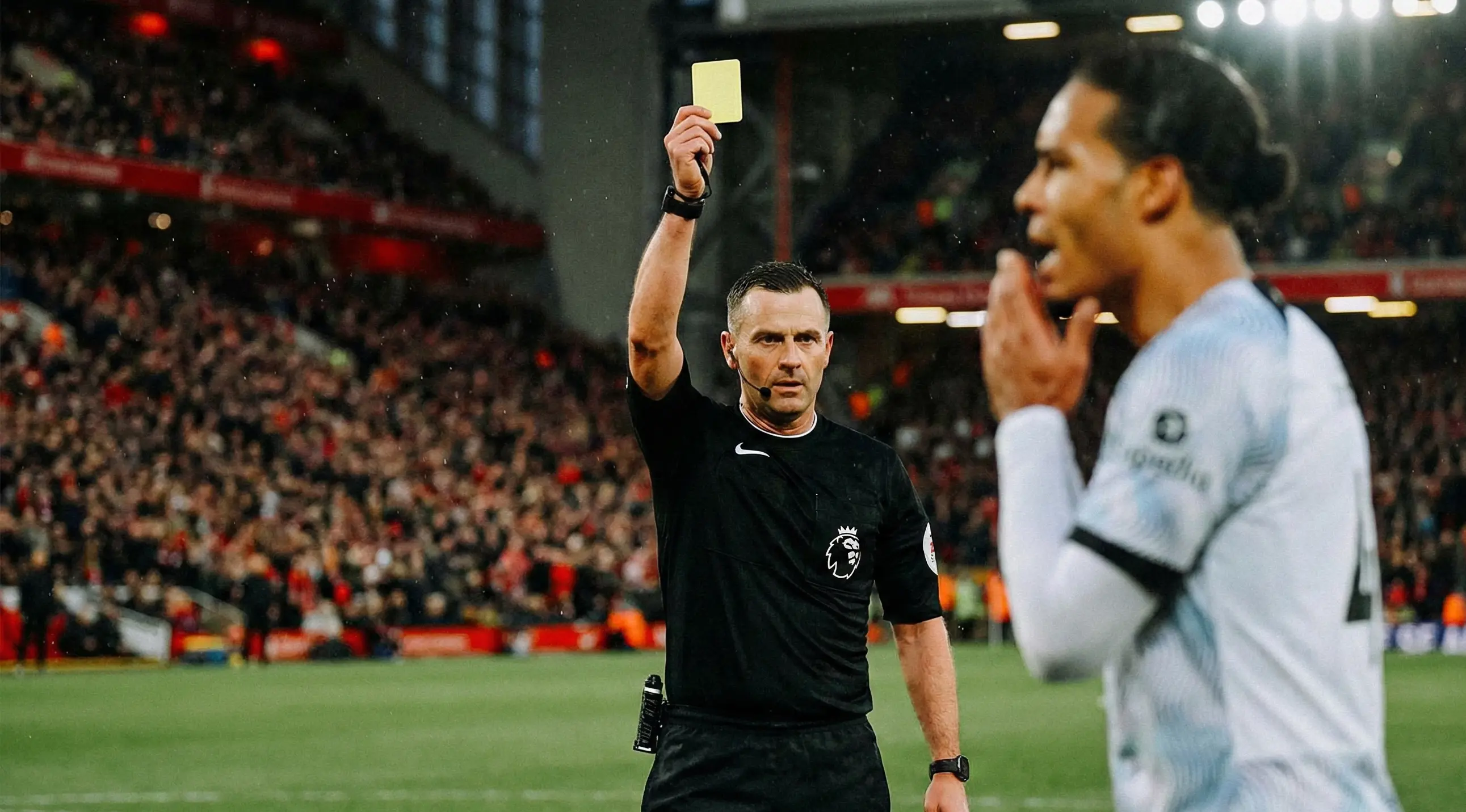
Booking markets respond to factors that cup football amplifies. Referee assignment, tackle intensity, match stakes, and tactical fouling all influence card totals, and cup competitions shift these variables in predictable ways. Understanding the mechanics allows systematic identification of mispriced card lines.
Referee assignment creates the most direct analytical angle. English referees show consistent patterns in card issuance—some average three bookings per match while others average six. Cup competitions use officials from across refereeing panels, meaning early rounds might feature less experienced referees whose tendencies aren’t fully captured in betting models built primarily on league data. Tracking individual referee records specifically in cup competitions often reveals patterns that general statistics miss.
Match intensity typically increases when quality gaps narrow. A League One club with genuine upset hopes commits tactical fouls to disrupt elite opposition’s rhythm. Championship sides protecting leads against Premier League reserves foul strategically to prevent counter-attacks. These dynamics produce elevated card counts compared to what pre-match models based on league behavior might project.
Derby dynamics amplify in cup competitions. When local rivals meet in the Carabao Cup, historical animosity combines with knockout stakes to produce heated contests. Cards markets for derby fixtures in cup competition often offer value because models may underweight the emotional intensity that cup elimination adds to already-charged fixtures.
Player-specific cards markets—anytime bookings, first card—present opportunities when rotation patterns become clear. When a Premier League club fields young midfielders against experienced lower-league opponents, those youngsters often commit more fouls as they adapt to senior football’s physicality. Conversely, veteran defenders on cup duty sometimes accumulate bookings through cynical fouls that protect inexperienced teammates from counter-attacks.
Corners Markets: Playing Style Analysis
Corner betting in cup football requires understanding how rotation affects playing patterns. Teams built around crossing, wide play, and sustained pressure naturally generate more corners—but these patterns depend on personnel availability and tactical setup.
When elite clubs rotate heavily, they often lose the wide players who generate corners through dribbling and crossing. Reserve full-backs might lack the attacking instincts that produce overlapping runs and byline deliveries. Meanwhile, lower-league opponents facing rotated defenses might press higher than they’d dare against first-choice lineups, forcing corners through sustained pressure rather than pure attacking quality.
Playing style matchups create specific opportunities. A Championship club built around direct play and crosses faces Arsenal’s young defenders—the combination might produce elevated corner counts as the underdogs attack aerially while Arsenal’s reduced quality struggles to retain possession. Conversely, two possession-oriented sides might produce low corner totals as both prioritize ball retention over territorial aggression.
First-half versus second-half corner patterns often differ in cup matches. Teams protecting positions or managing fitness might reduce attacking intensity late, particularly when facing less demanding opposition. Alternatively, underdogs chasing games in final periods press desperately, forcing corners through sustained pressure. Understanding game-state dynamics improves half-specific corner predictions.
Live corner betting captures evolving match patterns effectively. If a match starts with unexpectedly low corner counts—perhaps because both teams are feeling each other out—that pattern often continues, creating value on under lines. Conversely, matches that start chaotically tend to maintain elevated corner rates as neither side establishes control.
One of the most unique markets is the to qualify markets for knockout ties.
Goalscorer and Player Prop Markets
Anytime goalscorer markets in cup competition reflect rotation dynamics directly. When a Premier League club rests their primary striker, market attention shifts to alternatives whose goalscoring records may be thinner. Young forwards getting cup opportunities often carry longer odds than their actual scoring probability justifies—their limited sample sizes produce uncertainty that manifests as inflated prices.
First goalscorer markets add timing considerations. Cup matches often start slowly, meaning early goals may be less likely than league averages suggest. Players who excel at creating something from nothing—rather than finishing team moves—sometimes offer value in first goalscorer markets because cup matches require individual brilliance more frequently than well-drilled attacking patterns.
Assist markets in cup competition reward identifying which players will create regardless of who finishes. Creative midfielders often play extended minutes in cup ties specifically because managers want them sharp for league fixtures. These established creators surrounded by less-familiar finishing options might record assists at elevated rates—their quality generates chances that teammates convert at varying rates.
Shot markets respond to playing time and role. A forward playing their first start in weeks might take more shots than usual, pressing to impress. Conversely, a player protecting their fitness for more important fixtures might show reduced aggression. Understanding individual motivations within cup contexts improves shot prediction accuracy.
Combining Markets Strategically
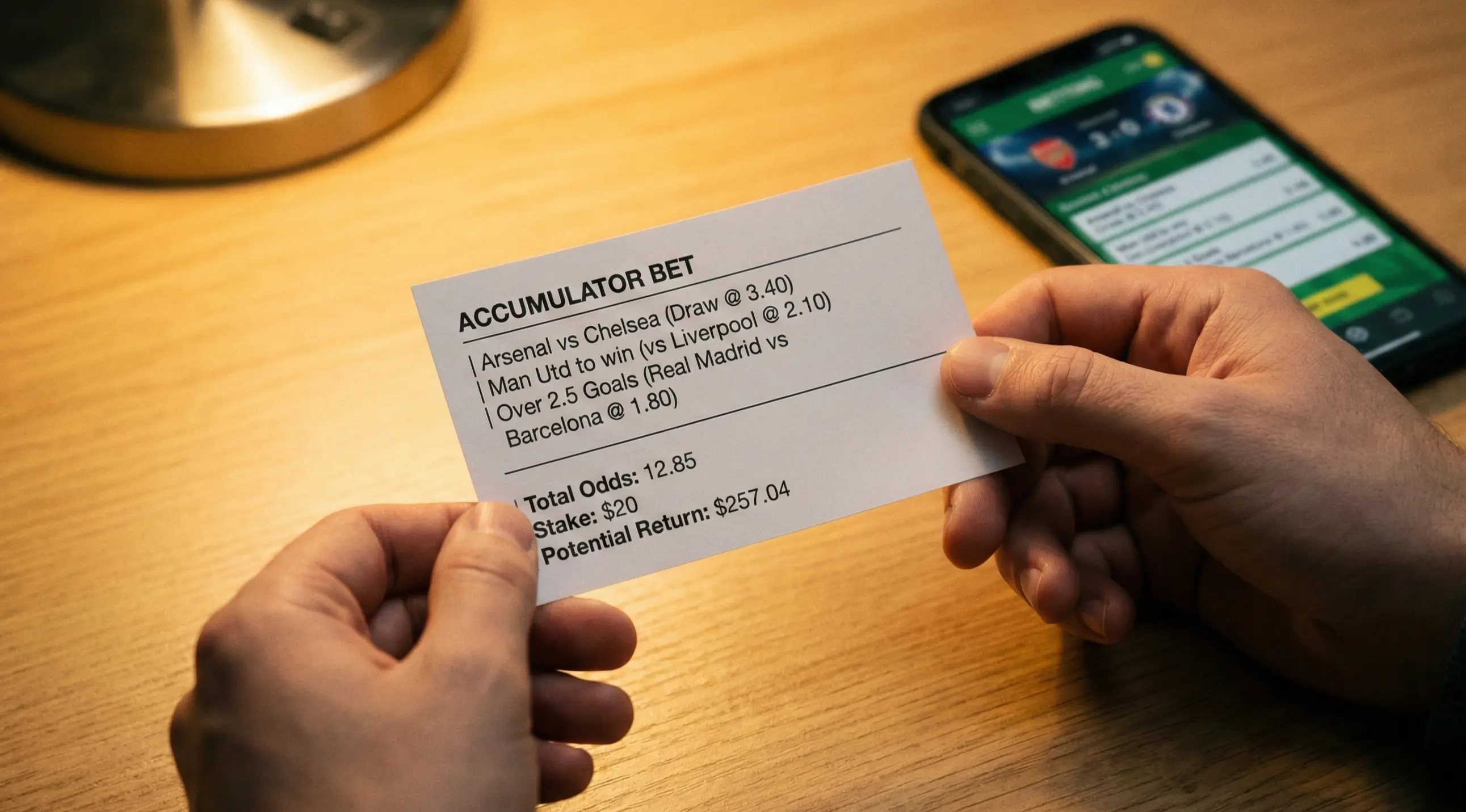
Bet builders and same-game multiples allow combining cup-specific insights across markets. A thesis like “Arsenal’s rotated defense will concede while their attacking depth ensures goals” translates into BTTS combined with over 2.5 goals. “This referee books liberally and derby intensity increases stakes” combines into over 3.5 cards with specific player booking selections.
The key is ensuring your combined selections derive from consistent underlying analysis rather than arbitrary stacking. Each element should reinforce the others logically. If you expect a high-scoring, chaotic match, selections like BTTS, over 2.5 goals, and high corner counts align naturally. If you expect controlled cup management, under 2.5 goals and under 9.5 corners follow from the same premise.
Correlation awareness matters in combination betting. BTTS and over 2.5 goals correlate positively—matches where both teams score typically feature higher total goals. Markets that correlate deserve consideration together, while uncorrelated selections provide diversification. The optimal approach depends on your confidence in specific predictions versus desire for variance reduction.
Cup football’s unpredictability makes secondary markets simultaneously more attractive and more dangerous. The analytical edges exist because outcomes are harder to predict—the same uncertainty that creates mispricing also increases variance in results. Position sizing should reflect this reality: smaller individual positions across multiple identified edges typically outperforms large concentration in single cup match predictions.
View current market lines on our expert wagering site.
