
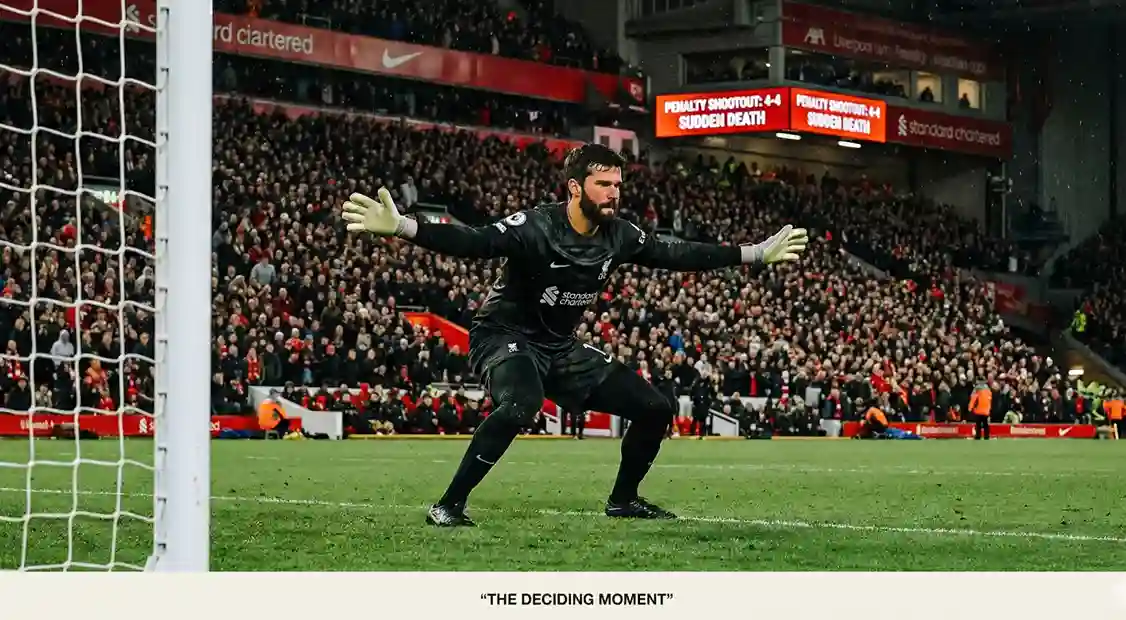
The To Qualify market asks a different question than traditional match betting: not who wins the match, but who advances to the next round. In single-leg Carabao Cup ties where draws lead to penalty shootouts, this distinction creates meaningful betting opportunities. A team might draw the match but still qualify through penalties—a scenario where match result bets lose but qualification bets win. Understanding when these markets diverge reveals value that single-market bettors systematically miss.
Most Carabao Cup matches proceed directly to penalties if level after ninety minutes, with no extra time until the semi-final second legs and final. This format means qualification probability differs from win probability for any team with reasonable penalty shootout chances. The market accounts for this, but the degree of adjustment often reflects generic shootout assumptions rather than specific team penalty capabilities.
The strategic question becomes: when does To Qualify offer better value than match result, and when does the additional complexity destroy rather than create edge? The answer depends on draw probability, penalty shootout skill differentials, and how efficiently each market prices these factors.
How Qualification Probability Differs from Win Probability
In a match where Team A has 50% win probability, Team B has 25% win probability, and the draw probability is 25%, traditional 1X2 markets price accordingly. But qualification probability adds penalty shootout considerations to that 25% draw scenario. If Team A wins 55% of shootouts against Team B, their total qualification probability becomes 50% (outright wins) plus 13.75% (draws where they win shootouts) = 63.75%.
This mathematical reality means qualification markets should always price favorites lower (shorter odds) than outright win markets, and underdogs higher (longer odds) than outright win markets—assuming both teams have equal shootout ability. When penalty skill differentials favor one side, qualification odds diverge further from match result odds.
The key insight for bettors: qualification markets effectively bundle match result with conditional penalty shootout probability. When you believe a team has superior shootout capability beyond what the market assumes, qualification betting captures that edge. When you believe shootout outcomes are essentially random, match result markets might offer cleaner value.
When To Qualify Offers Superior Value
Heavy favorites facing competent opposition often see qualification margins exceed match result margins. When Manchester City faces a Championship club, their win probability might be 75% but their qualification probability approaches 85% once shootout scenarios are included. If City’s penalties record suggests better-than-average shootout performance, actual qualification probability might exceed 87%.
The qualification market sometimes underprices elite clubs’ shootout advantages. Premier League sides typically possess better penalty takers, more experienced shootout participants, and superior goalkeepers compared to lower-league opposition. These advantages compound in ways that generic shootout probability assumptions undervalue.
Underdogs with exceptional penalty records present the opposite opportunity. Some clubs practice penalties extensively, feature specialist penalty takers, or possess goalkeepers with strong shootout records. When qualification markets don’t adequately reflect these specific capabilities, underdog qualification becomes underpriced relative to their actual advancement probability.
Matches with high draw expectancy particularly favor qualification thinking. When two evenly-matched sides meet, draw probability might reach 30% or higher. In these fixtures, shootout outcomes substantially influence total qualification probability. Identifying which team holds shootout advantages—through historical records, goalkeeper quality, or spot-kick specialists—reveals qualification value that match result analysis can’t capture.
When Match Result Offers Better Value
Clear quality mismatches where draws seem unlikely favor match result betting because penalty scenarios rarely apply. When Manchester City faces League Two opposition, draw probability might be 5% or lower. The qualification market prices this scenario by compressing the difference between win and qualification odds—but if draws essentially never happen, the markets converge to the same proposition.
In these situations, match result betting at potentially better odds captures your actual prediction without paying for shootout optionality you don’t expect to use. The qualification market’s built-in shootout adjustment becomes unnecessary cost rather than valuable protection.
Matches where you specifically expect draws to produce results favor match result markets. If your analysis suggests a fixture will end 0-0 or 1-1, you’re predicting a draw—bet on the draw directly rather than muddying your prediction with qualification considerations. The match result draw market at 3.50+ odds represents your thesis more purely than qualification betting on either side.
When penalty shootout skill seems equal between teams, the additional complexity of qualification markets offers no analytical advantage. You’re betting on match outcome plus essentially random shootout probability. Simplifying to match result eliminates the random element, focusing your position on the aspect where your analysis actually applies.
Analyzing Penalty Shootout Capabilities
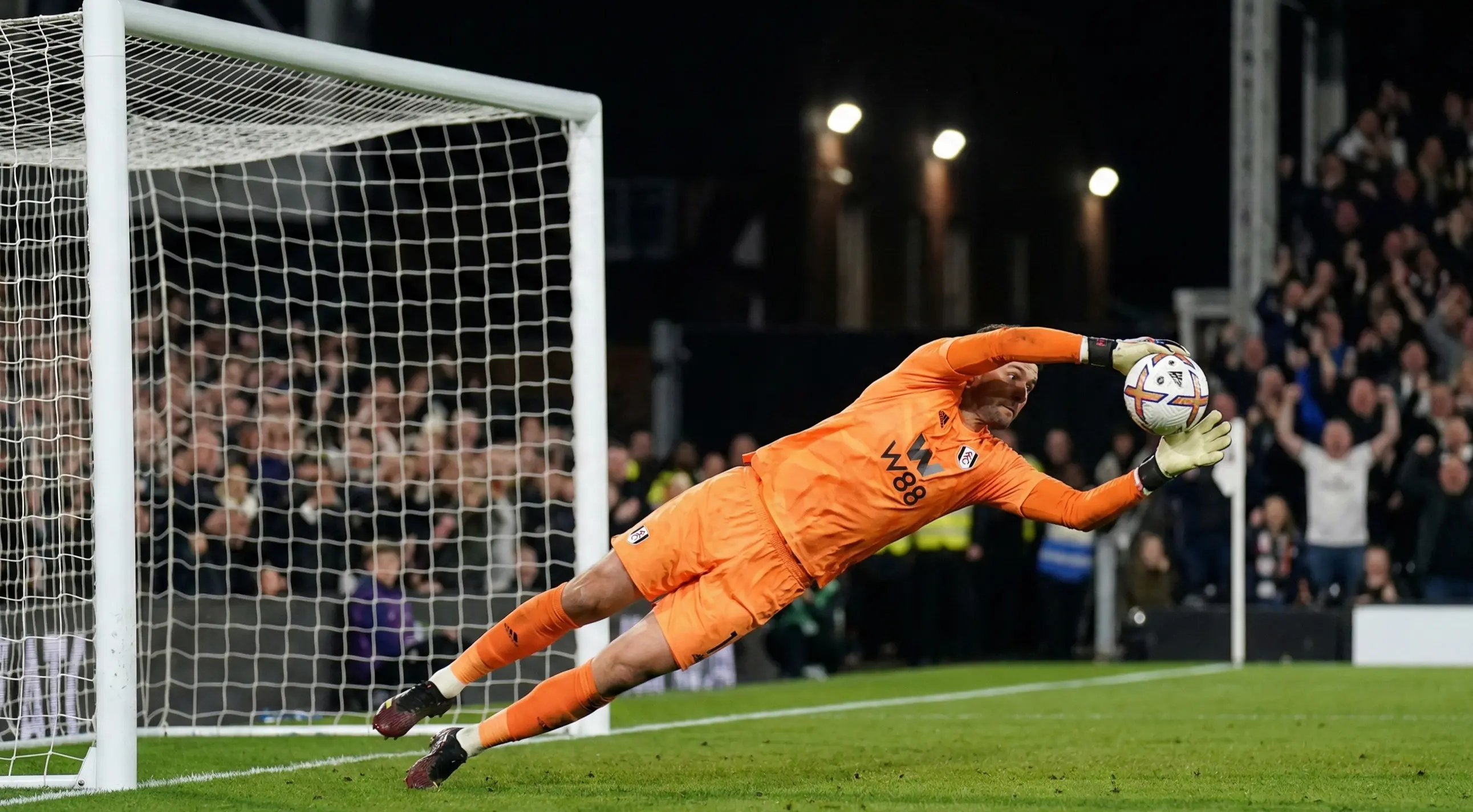
Goalkeeper quality drives shootout outcomes more than any other factor. Keepers who study opposing penalty takers, possess excellent diving reach, and maintain composure under pressure save penalties at elevated rates. Identifying which clubs deploy superior shootout goalkeepers—often different from their best overall keeper—improves qualification predictions.
Designated penalty takers deserve individual analysis. Some players convert penalties at rates exceeding 85% across their careers; others struggle under pressure despite overall skill. When cup lineups include or exclude these specialists, shootout probability shifts accordingly. A team without their regular penalty taker faces meaningfully worse shootout prospects.
Team penalty records provide baseline expectations, though sample sizes often limit reliability. A club that won their last three shootouts might have excellent penalty culture—or might have experienced variance that will regress. Weighting recent records appropriately, without overreacting to small samples, improves shootout probability estimation.
Pressure handling matters in knockout contexts. Some clubs demonstrate historical resilience in high-stakes shootouts while others fold under pressure. These psychological tendencies, while difficult to quantify, affect shootout outcomes in ways that pure skill analysis misses. Derby matches and rivalry fixtures often produce shootout dynamics that neutral matches don’t replicate.
Compare qualification odds with the both teams to score (BTTS) outcomes.
Practical Market Applications
Early round Carabao Cup ties often see qualification markets underpriced for Premier League clubs because bookmakers apply generic shootout assumptions. Elite clubs’ actual shootout advantages—better keepers, superior penalty takers, more experience—exceed these assumptions. Systematic qualification betting on favorites in early rounds captures this inefficiency.
Later rounds featuring Premier League-vs-Premier League fixtures present more balanced shootout expectations. Here, specific analysis matters more than generic advantage—which goalkeeper performs better in shootouts, which team features current-form penalty takers, whether fatigue or pressure might affect execution. Generic qualification betting offers less edge; specific analysis of each fixture becomes necessary.
Semi-finals and finals with extra time change the calculation entirely. When matches can’t proceed directly to penalties from ninety minutes, qualification probability depends on 120-minute match dynamics plus shootout scenarios. These calculations become complex enough that match result betting on specific outcomes (home win in ninety minutes, for example) might offer cleaner value than qualification markets that bundle multiple scenarios.
Live qualification betting captures evolving match dynamics. If your pre-match analysis favored qualification for a team that falls behind 1-0, live qualification odds lengthen to reflect both the current deficit and the increased shootout dependency. If your underlying thesis remains sound—perhaps you expected the match to be close regardless of who led—live qualification might offer better value than pre-match prices.
Combining Qualification with Other Markets

Qualification betting combines logically with predictions about match flow. If you expect a tight, defensive fixture that ends level, qualification bets on the team with better shootout prospects align with your analysis. The match might produce zero goals, end in a draw, and proceed to penalties—qualification captures your full prediction while match result bets on either team would lose.
Double chance markets offer alternative protection to qualification betting. Backing Team A “Double Chance” (win or draw) captures 75% of the same scenarios as qualification betting—wins plus draws—without the shootout consideration. When shootout skill seems equal, double chance at better odds might offer cleaner value than qualification at worse odds.
Accumulator construction benefits from qualification market’s simplicity. Rather than including multiple outcomes (Team A to win OR draw with Team A penalty backup), single qualification selections capture complex scenarios in one bet. For accumulators where any leg failure eliminates the entire bet, qualification’s broader coverage provides protection that match result selections can’t.
The To Qualify market suits bettors who think in terms of tournament progression rather than individual match outcomes. Cup football naturally rewards this thinking—the point is advancing, not winning specific matches. Aligning your betting with the competition’s actual objective often reveals value that match-focused analysis overlooks.
Pick your winners on our cup sportsbook dashboard.
