
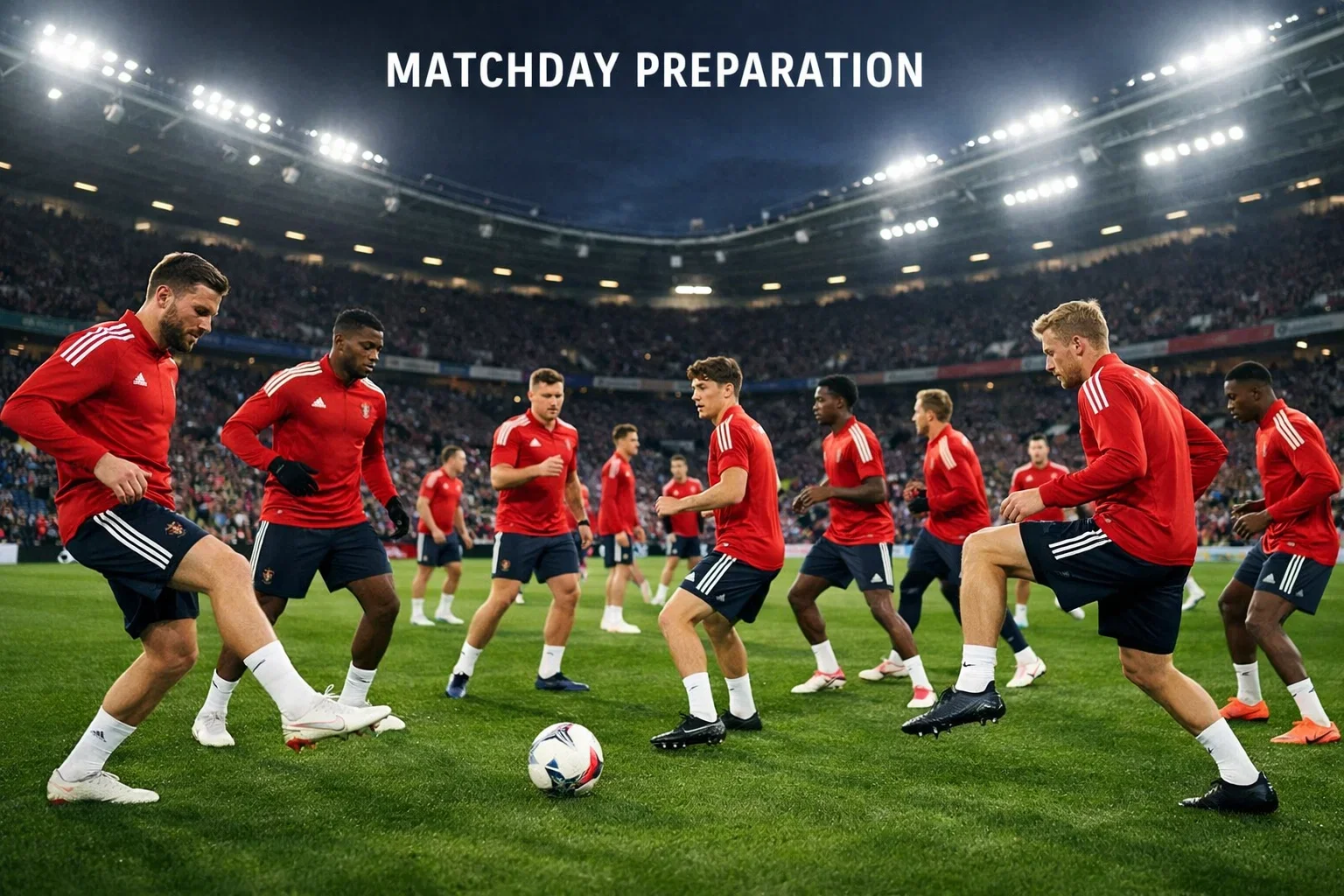
The Carabao Cup third round introduces the competition’s most anticipated element: European-competing Premier League clubs making their tournament debut. Arsenal, Chelsea, Liverpool, Manchester City, Newcastle, Tottenham, and other clubs with continental commitments join the twenty-three second-round survivors, creating fixtures where elite squad depth faces opponents who’ve already invested in the competition. Understanding how each major club approaches this entry point—and how their European schedules interact with cup timing—reveals betting value that generic analysis misses.
Third-round fixtures during September coincide with the Champions League and Europa League opening phases. Elite clubs face demanding schedules: league matches every weekend, European fixtures midweek, and now cup ties requiring additional squad deployment. This congestion doesn’t just affect which players appear; it affects preparation time, recovery protocols, and managerial focus. Clubs operating on three fronts can’t optimize for all competitions simultaneously.
The strategic calculation for managers becomes: when does serious cup investment begin? Most European competitors treat the third round as extended squad management, similar to how non-European clubs treated the second round. First-choice players need rest; fringe players need minutes; young talents need development. The cup provides all these opportunities without risking key assets. The competition’s value as a trophy becomes relevant only if progression continues into later rounds.
Club-by-Club Rotation Analysis
Manchester City under Pep Guardiola have historically rotated heavily until the quarter-finals while still progressing through cup rounds. City’s squad depth means their B-team maintains quality advantages over most opposition. Eight to ten changes represent typical third-round rotation, with only players needing specific minutes featuring from the first-choice group. This approach has produced four consecutive Carabao Cup titles between 2018-2021, demonstrating that rotation doesn’t preclude success when depth exists.
Liverpool’s approach varies based on fixture positioning and squad health. Some seasons see aggressive rotation; others feature stronger lineups when managers identify the competition as realistic silverware. The club’s ten Carabao Cup titles—more than any other—reflect historical prioritization that current management sometimes maintains. Analyzing press conference language and recent injury news reveals whether each season’s approach leans toward development or genuine pursuit.
Arsenal under Mikel Arteta have increasingly viewed the Carabao Cup as a genuine target. The club’s trophy drought makes any silverware attractive, and Arteta has explicitly identified the competition as a priority. Third-round lineups often maintain more first-choice players than pure squad management would suggest—perhaps five or six starters rather than zero or one. This creates different betting dynamics than facing clubs who treat the round as purely developmental.
Chelsea’s approach fluctuates with managerial changes and squad composition. Heavy rotation typically characterizes their early-round entries, but specific circumstances—player fitness needs, managerial pressure, or perceived opportunity—sometimes produce stronger lineups. Tracking manager tenure and recent results improves predictions about which Chelsea approach will appear.
Tottenham’s historically inconsistent cup form reflects organizational uncertainty about competition prioritization. Some managers have explicitly deprioritized cups; others have viewed them as essential for silverware-starved supporters. Understanding current manager philosophy and recent club messaging helps predict third-round approach.
Newcastle’s transformation into European competitors changes their historical cup relationship. Previously, cups represented primary trophy opportunities for a club outside European football. Now, Champions League progression competes for attention. Whether Newcastle maintain historical cup investment or adopt the rotation approach of established European competitors creates genuine uncertainty worth monitoring.
These rounds often clash with European nights vs Carabao Cup scheduling.
Fixture Timing Interactions
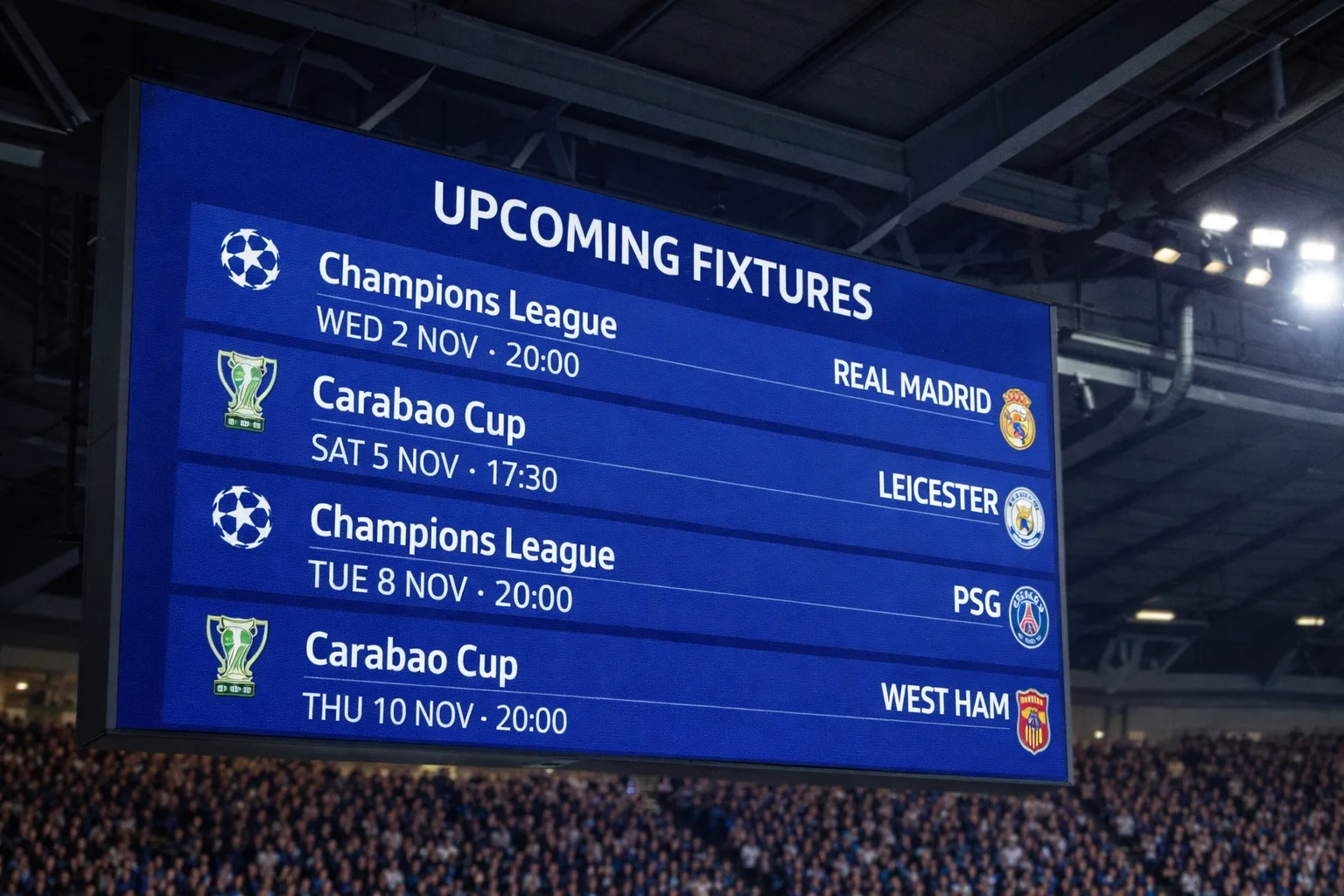
Third-round matches split across two weeks in September, creating different fixture contexts for different clubs. Matches in the week of September 15th might fall between Champions League matchday one and league weekends. Matches in the week of September 22nd might follow European away travel or precede challenging domestic fixtures. These specific contexts affect rotation more than general statements about club philosophy.
European fixture results influence subsequent cup approach. A club losing their Champions League opener might field stronger Carabao Cup lineups to rebuild confidence. A club winning comfortably might rotate even more heavily, secure in their European progress. Monitoring European results in the days before cup fixtures provides context that pre-draw analysis couldn’t anticipate.
The draw structure preventing Champions League clubs from facing Europa League clubs (due to fixture clashes) creates specific matchup patterns. This means elite clubs face either domestic opponents or Conference League/non-European sides. Understanding which matchup type each club receives affects rotation predictions—facing lower-league opposition might encourage heavier rotation than facing Premier League clubs who couldn’t be avoided.
Lower-League Opportunities
Second-round survivors entering the third round have already won two competitive cup ties. They’ve demonstrated cup-specific form that elite clubs rotating heavily haven’t matched. This momentum advantage—players confident from recent progression, managers experienced in cup-specific preparation—rarely receives adequate weight against the perceived quality of Premier League squad depth.
The fixture list creates specific opportunities. When draws produce elite clubs traveling to lower-league grounds, atmosphere and logistics favor the hosts despite quality differentials. Championship or League One clubs hosting Manchester City reserves generate genuine home advantage that partially offsets rotation-adjusted quality gaps.
Giant-killing potential peaks in the third round. The combination of elite club rotation, lower-league momentum, and fixture timing creates conditions for memorable upsets. Manchester United losing to Grimsby Town in 2025 after a 12-11 penalty shootout demonstrates that even Premier League giants remain vulnerable when fielding weakened lineups against motivated opposition. These upsets aren’t anomalies; they’re predictable outcomes of systematic quality reduction meeting maximum effort.
Backing lower-league clubs on handicap lines captures value without requiring outright upsets. If you believe a League One club will compete closely with a rotating Chelsea side, +2 or +2.5 handicap positions offer returns on narrow defeats that still demonstrate the competitive gap you anticipated. The market often prices expected quality rather than actual expected lineup quality.
Strategic Betting Approaches
Pre-draw positioning allows capturing value before specific matchups clarify. If you believe lower-league clubs generally offer value against rotating European competitors in the third round, positions across multiple potential matchups create portfolio exposure to this thesis. Once draws occur, specific matchup analysis refines initial positions.
Lineup confirmation timing creates short-term opportunities. Third-round odds publish when draws occur, reflecting assumed rotation. When actual lineups prove stronger or weaker than expected—confirmed sixty minutes before kickoff—markets adjust rapidly. Having pre-formed views on each club’s likely approach allows quick reactions that capture value in adjustment periods.
Goals markets respond to third-round dynamics predictably. Elite clubs rotating defensively but maintaining attacking depth create BTTS opportunities. Over/under lines might offer value when rotation produces more open matches than first-choice lineups would generate. Analyzing specific rotation patterns—which positions each club typically protects—improves goals market predictions.
Managing Information Asymmetry

Third-round betting rewards information advantages that earlier rounds don’t provide. Elite clubs’ rotation patterns have historical records; press conference language reveals managerial intent; training ground reports (via beat reporters) sometimes leak lineup hints. Aggregating these information sources creates prediction accuracy that generic odds don’t capture.
Social media monitoring around third-round fixtures sometimes reveals lineup information before official announcements. While acting on unverified information carries risk, consistent patterns of accurate pre-announcement reporting from specific sources can provide timing advantages. Building networks of reliable information sources—club-specific journalists, insider accounts, training ground observers—creates edge that casual bettors cannot replicate.
The betting exchange markets for third-round fixtures often show sharp money movements before lineup announcements. When odds shift significantly without apparent news catalyst, experienced bettors may have accessed information not yet public. Monitoring these movements—and understanding what they might signal—provides context for your own positioning even when you lack direct information access.
Post-third-round analysis builds knowledge for future seasons. Tracking which clubs rotated more or less than expected, how rotation affected results, and whether your pre-match predictions proved accurate creates learning loops that improve subsequent years’ analysis. The third round recurs annually with similar dynamics; building systematic approaches to evaluating these fixtures produces compounding advantages.
The third round represents the Carabao Cup’s first moment of genuine glamour and its most analytically complex early stage. Elite club involvement creates attention, but rotation creates uncertainty that systematic analysis can exploit. Understanding club-specific patterns, fixture-specific contexts, and market timing dynamics reveals value that casual attention to headline matchups consistently misses.
Watch the giants collide on our football analysis site.
