
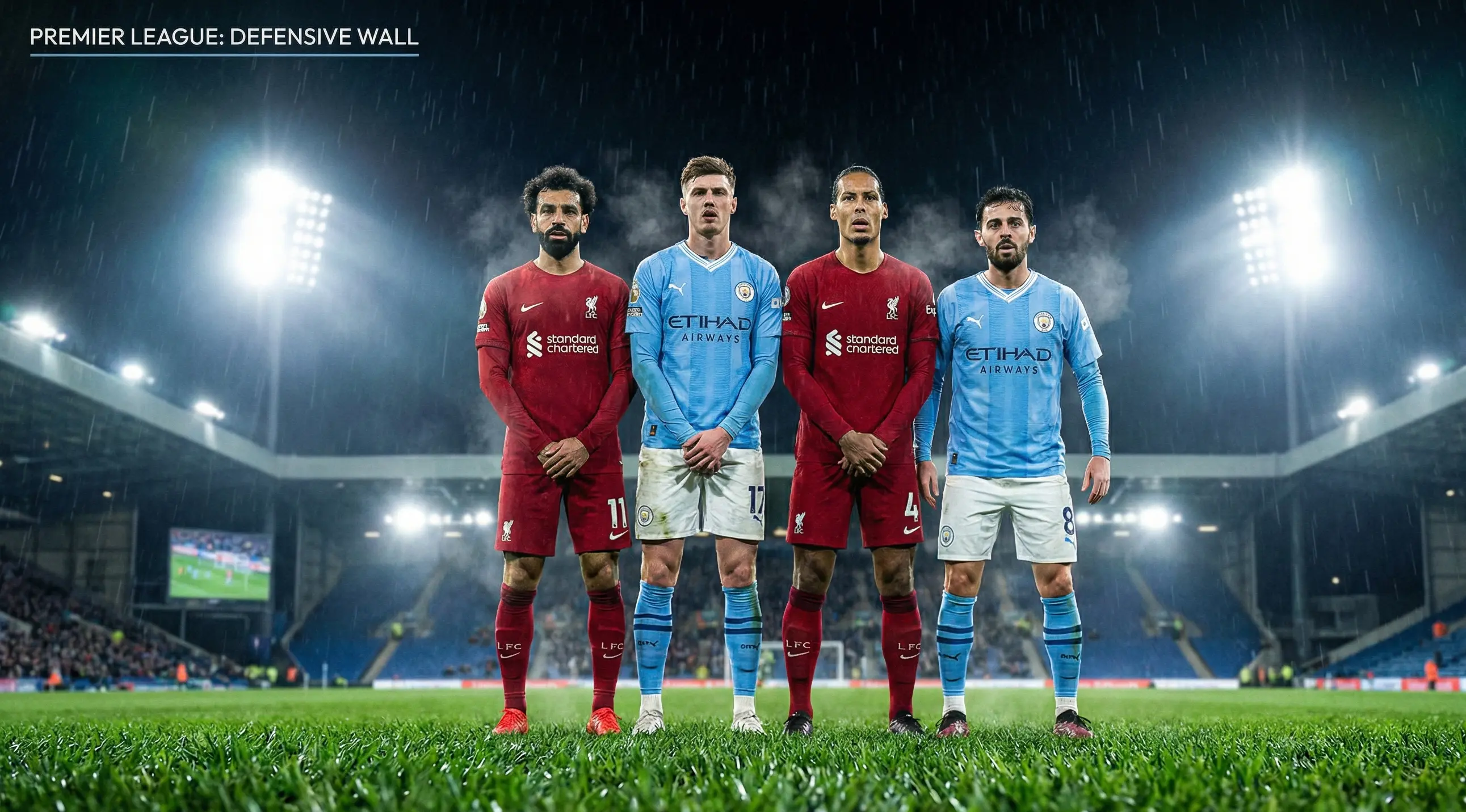
The Premier League’s best defensive units function as orchestras. Each movement connects to the next; covering positions flow automatically; communication happens through glances rather than shouts. These partnerships develop over hundreds of training sessions and dozens of competitive matches. Then the Carabao Cup arrives, the rotation policy activates, and managers field defensive lineups that have never played together. The results are predictable—and profitable for bettors who understand why rotated backlines leak.
Defensive football requires chemistry that cannot be manufactured in a single match. Two center-backs must know instinctively who steps to the ball and who covers depth. Full-backs must understand when to tuck inside and when to hold width. The goalkeeper must communicate constantly with defenders whose tendencies remain unfamiliar. Remove even one piece from an established partnership and coordination suffers. Remove three or four simultaneously—as heavy rotation demands—and the defensive structure barely exists.
The Partnership Problem
First-choice center-back pairings accumulate match time together across seasons. William Saliba and Gabriel formed Arsenal’s partnership over multiple campaigns, developing understanding that allows them to function as a unit rather than two individuals. They know each other’s recovery speeds, positioning preferences, communication styles, and risk tolerances. When Gabriel heads out to a challenge, Saliba automatically covers the space left behind without verbal instruction. This anticipation comes from repetition, from having seen each other in similar situations hundreds of times.
Backup center-backs lack this accumulated understanding. A third-choice defender might have trained with the squad daily but matched minutes with the fourth-choice partner are minimal. Cup matches become their audition, and auditions reveal discomfort rather than fluency. Both defenders play cautiously, uncertain whether their partner will cover if they step aggressively. Both communicate more than necessary, slowing reactions. Both make individually correct decisions that collectively create gaps.
The data supports this observation quantitatively. Makeshift defensive partnerships concede at significantly higher rates than established ones, controlling for opponent quality. The difference isn’t explained by individual player ability—second-choice Premier League defenders remain superior athletes to League One forwards. It’s explained by coordination failure, by the space that opens between two defenders who don’t yet function as a pair.
For bettors, this dynamic creates clear market opportunities. Goals markets in cup matches featuring defensive rotation consistently offer value on overs. Both teams to score hits more frequently when big clubs field unfamiliar backlines. The adjustment required is understanding not just that rotation occurs but that defensive rotation specifically damages team performance more than attacking rotation does.
Goalkeeper Integration Challenges
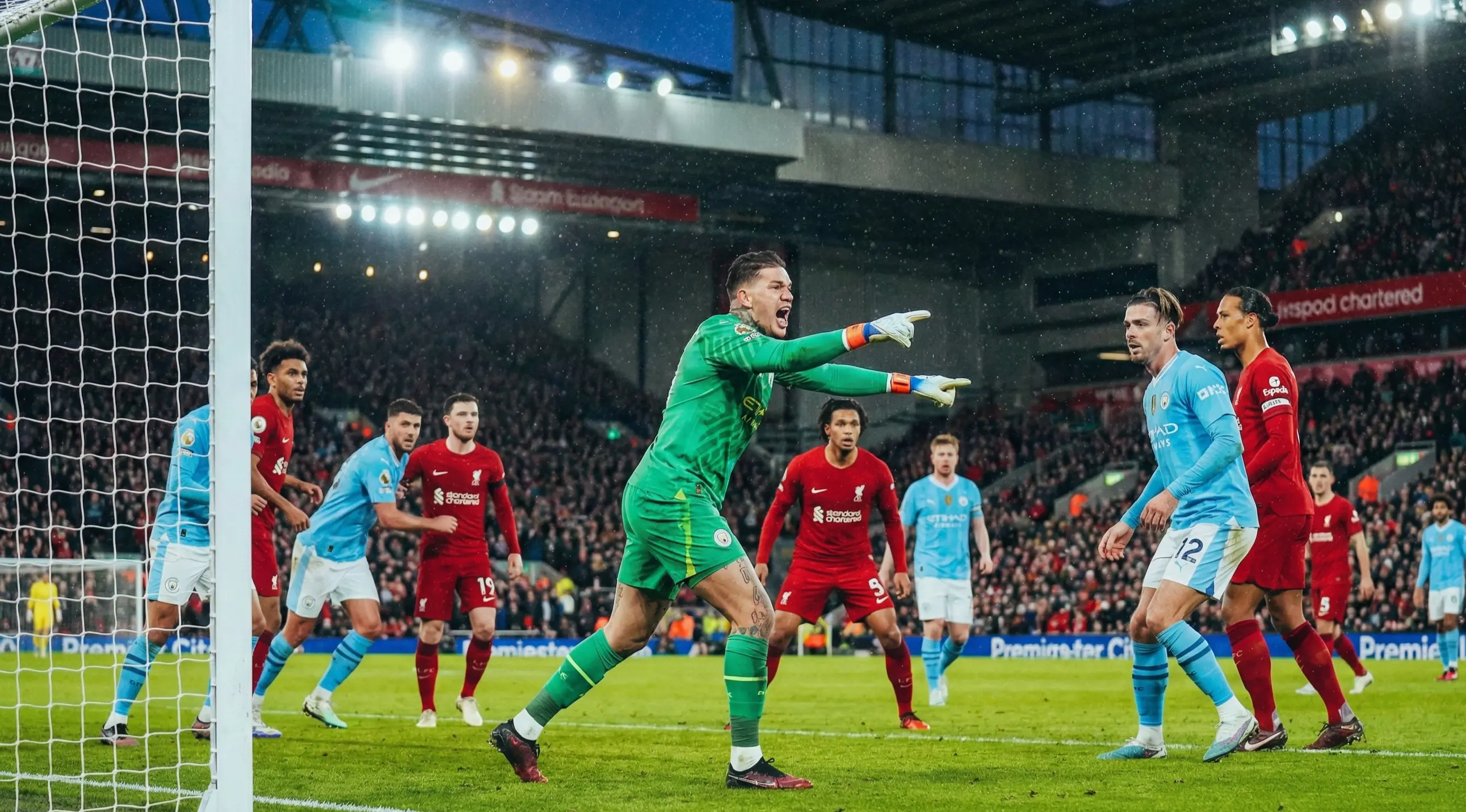
The goalkeeper compounds partnership problems when rotated alongside defenders. Established first-choice keepers know their center-backs’ preferences—who wants crosses claimed versus punched, who needs verbal guidance versus trusting their own decisions, who appreciates early calls versus preferring silence. Backup goalkeepers enter matches without this institutional knowledge, creating communication gaps that opponents exploit.
Command of the box suffers most visibly. First-choice Premier League goalkeepers establish authority through consistent presence; their defenders trust them to claim crosses and clear danger. Backup goalkeepers, uncertain of their role’s boundaries with unfamiliar defenders, often hesitate. That hesitation invites opponents to attack aerial balls more aggressively, knowing the keeper might not intervene. Set pieces become more dangerous; defensive headers become less decisive.
Distribution patterns also change with goalkeeper rotation. Modern goalkeeping requires understanding teammate movement patterns—where full-backs will be to receive short passes, when center-backs want the ball rolled into feet versus cleared long. A goalkeeper unfamiliar with backup defenders’ preferences makes conservative distribution choices, bypassing the buildup phase entirely. This affects the team’s attacking patterns as well as defensive stability, but the defensive impact matters more immediately.
The betting implications extend beyond goals markets to corners and shots. Rotated defensive units concede more corners because they clear less cleanly, forcing ball out of play rather than claiming possession. They concede more shots because they fail to close passing lanes that first-choice units instinctively block. These statistical effects sometimes lag goals markets in adjustment because bookmakers focus on scoreline outcomes first.
Full-Back Vulnerability in Rotated Lineups
Full-back positions present unique challenges when rotation creates mismatches. Modern full-backs operate as hybrid players—defenders required to attack, often inverting into midfield or pushing into advanced areas. These movements require covering relationships with center-backs and midfielders that disappear when all three positions rotate simultaneously.
When a backup left-back advances, the first-choice left center-back would cover automatically. But with both positions rotated, covering movements become uncertain. The replacement center-back might not recognize the trigger; the replacement left-back might not trust the cover. Counters down these flanks become dramatically more dangerous, which is why experienced managers like Guardiola often keep at least one experienced center-back when rotating full-backs.
Championship and League One clubs attack these vulnerabilities deliberately. Their scouting identifies which Premier League reserve full-backs struggle defending one-on-one. Their game plans isolate these matchups, targeting weak links with directness that first-choice defenses would handle comfortably. The tactical exploitation explains why early-round cup upsets often feature goals from wide areas, counterattacks down channels that rotated backlines failed to protect.
For specific betting angles, consider player-based cards markets for backup full-backs. These players commit fouls at elevated rates when exposed defensively, lacking the positioning and recovery ability to make clean tackles. First-half cards become particularly attractive as backup full-backs struggle with match tempo before settling into rhythm.
These rotations significantly impact the over under goals market.
The Set Piece Exposure
Set pieces become disproportionately dangerous when defensive units lack familiarity. Zonal marking schemes require coordinated movement that established partnerships execute automatically. Man-marking assignments require understanding of individual responsibilities that backup defenders must learn on the fly. Either approach suffers when the personnel executing it haven’t practiced together extensively.
Corners against rotated defenses produce goals at higher rates than against first-choice units. This isn’t merely because second-choice defenders might be smaller or weaker aerially—though sometimes they are—but because the marking structure breaks down. Players lose their men; zones overlap in some areas and leave gaps in others; the goalkeeper’s commands go unheard or unheeded by unfamiliar faces.
Free kicks in wide areas present similar vulnerabilities. The wall organization, the positioning of markers on the back post, the responsibility for clearing second balls—all require choreography that rotated defenses lack. Smart lower-league opponents target these set-piece situations deliberately, recognizing that their physical directness matches up better against disorganized defensive structures than against coordinated units.
Bettors should consider set piece corners props when assessing cup matches with heavy defensive rotation. The over on total corners often offers value as rotated defenses concede more from general play. First goalscorer markets might favor set-piece specialists on either side given the elevated chaos around dead-ball situations.
Quantifying the Defensive Drop-Off
Creating a framework for estimating defensive quality drop-off enables better betting decisions. Not all rotation creates equal vulnerability; some backup defenders are near first-choice quality while others represent significant downgrades. The assessment requires position-by-position evaluation rather than simple counting of changes.
Consider a club making four defensive changes: backup goalkeeper, one backup center-back, and two backup full-backs. If the remaining center-back is the first-choice captain who organizes the defense, quality might drop by only 25%. If both center-backs are backups who’ve never partnered competitively, quality might drop by 50%. The same number of changes produces dramatically different expected performance.
Weight the center-back partnership most heavily. This pairing determines defensive stability more than any other combination. Two first-choice center-backs with backup full-backs maintain reasonable solidity; two backup center-backs with first-choice full-backs struggle regardless of wide support. Goals markets should adjust for center-back familiarity as the primary variable.
Goalkeeper quality matters more when the defensive unit is unfamiliar. An experienced goalkeeper can organize backup defenders, compensating somewhat for their lack of partnership understanding. A backup goalkeeper with backup defenders creates compounding uncertainty. This multiplication effect—where weaknesses in multiple positions amplify rather than merely add—explains why some rotated lineups perform respectably while others collapse entirely.
Opponent Awareness and Tactical Exploitation
Lower-league opponents recognize defensive rotation opportunities and adjust tactics accordingly. Their preparation identifies which Premier League backup defenders struggle in specific situations—slow center-backs targeted with balls in behind, small full-backs challenged aerially, inexperienced goalkeepers tested with early shots.
The market often underweights this tactical adjustment. Odds reflect the Premier League club’s overall quality without fully discounting the specific vulnerabilities that rotated lineups present. A League One striker might be a 50/1 anytime scorer against Arsenal’s first-choice defense but genuinely reasonable at 8/1 against a rotated backline that his manager has specifically prepared to exploit.
Managers of lower-league clubs discuss this openly after cup matches. Their post-match interviews describe targeting the “space behind the center-backs” or “putting bodies in the box because their keeper looked uncertain.” These aren’t random observations but reflections of deliberate game-planning that recognized defensive rotation before the match began.
For bettors, this awareness means taking underdog attacking threats seriously when defensive rotation occurs. The first goalscorer and anytime scorer markets for lower-league forwards become more attractive. Team goal totals for underdogs offer value when the opposition’s defensive structure has been disrupted. The goals come because backup defenses leak, but also because intelligent opponents know exactly how to make them leak.
Profitable Carabao Cup betting requires understanding that not all positions rotate equally in consequence. Attacking rotation reduces creative quality but maintains structural integrity. Defensive rotation destroys the coordination that makes Premier League backlines among the world’s best. The goals that result aren’t surprises—they’re predictable outcomes of partnership dissolution that the betting market consistently underprices.
Analyze defensive rotation on our match analysis portal.
