
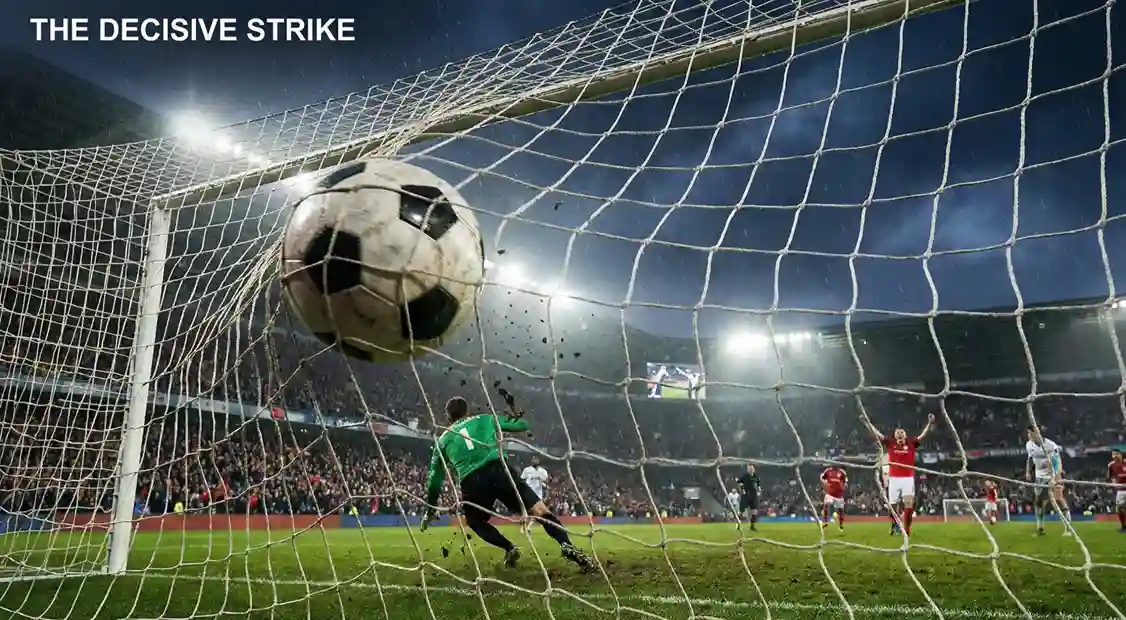
Goals markets in cup football require understanding not just who scores but why scoring patterns differ from league football. The Carabao Cup produces specific dynamics—quality mismatches, rotated lineups, variable motivation—that affect total goals in predictable ways. Finding the optimal goals line for any given fixture means matching your analytical conclusions to the right market, distinguishing between fixtures that warrant over 3.5 confidence and those where over 1.5 represents the realistic edge.
The standard over/under 2.5 goals line serves as football’s baseline because average goals per match across major leagues hover around this threshold. Approximately 50-55% of matches produce three or more goals, making 2.5 the natural fulcrum for even-odds betting. Cup competitions often deviate from this baseline—sometimes dramatically higher in early rounds, sometimes lower in cagey knockout fixtures—creating value when you correctly anticipate which direction deviation occurs.
Line selection matters as much as direction. Backing over 2.5 at 1.90 odds when you believe the true probability is 55% offers marginal edge. Backing over 3.5 at 2.50 odds when you believe true probability is 45% destroys value despite higher potential returns. Disciplined bettors match conviction strength to appropriate lines rather than reaching for bigger payouts on uncertain outcomes.
Round-by-Round Goals Patterns
Early Carabao Cup rounds produce polarized outcomes: emphatic favorites victories and competitive battles that defy quality differentials. When Premier League clubs visit League Two grounds, results like 5-0 and 1-0 both occur regularly. This polarization makes goals prediction challenging—the average might be high, but variance around that average undermines systematic betting.
Third-round matches, when all Premier League clubs enter, show clearer patterns. European competitors rotating heavily sometimes produce high-scoring affairs as their attacking depth overwhelms lower-league defenses despite some vulnerability at the back. Non-European Premier League clubs often field stronger lineups and produce controlled victories with moderate goal totals. Understanding which approach each club adopts improves line selection.
Quarter-finals typically produce tighter contests as remaining opponents all possess genuine quality. The combination of stronger lineups (as elimination stakes increase) and capable opposition (as weak teams have been eliminated) often compresses goal totals compared to earlier rounds. Over 1.5 or over 2.5 becomes more appropriate than over 3.5 as matches grow more competitive.
Semi-finals across two legs produce strategic considerations that affect scoring. First legs often feature cautious approaches—protecting against away goals (though the rule no longer applies) and avoiding early deficits. Second legs become more open as aggregate positions require attacking from trailing teams. First-leg unders and second-leg overs represent common patterns, though specific aggregate situations dictate actual behavior.
Quality Gaps and Scoring Implications

Massive quality gaps don’t automatically produce massive goal totals. When Manchester City fields reserves against League Two opposition, they might dominate possession and territory without generating the clear chances that produce five or six goals. Lower-quality finishing, reduced movement off the ball, and generally slower tempo can suppress goals despite territorial dominance.
The most predictable high-scoring fixtures occur when quality advantage meets tactical approach. Some managers view cup ties as opportunities to blood youngsters in low-pressure environments, accepting whatever results occur. Others view every match as opportunity to demonstrate ruthlessness, demanding professional performances that produce emphatic scorelines. Knowing which philosophy each manager adopts improves prediction accuracy.
Defensive quality gaps matter more than attacking quality gaps for total goals. When elite attackers face weak defenders, goals flow reliably. When weak attackers face elite defenders (even rotated versions), goals become scarce. Assessing both directional quality differentials—not just overall quality—reveals whether high totals are genuinely likely or whether one-sided possession will dominate without prolific scoring.
Home advantage effects diminish in cup football because atmosphere varies dramatically. Lower-league clubs hosting elite opposition generate exceptional support that creates genuine home advantage. Elite clubs hosting lower-league visitors often face half-empty stadiums where atmosphere barely registers. These contextual factors affect intensity, which in turn affects scoring likelihood.
Line Selection Strategy
Over 1.5 goals represents the conservative position—backing at least two total goals. This line wins in approximately 70-75% of matches across major competitions. The implied probability at typical 1.30 odds (about 77%) often slightly exceeds actual occurrence rates, meaning pure over 1.5 betting rarely offers consistent value. However, specific cup situations—fixtures where scoreless draws seem genuinely possible—occasionally present 1.5 value when both teams might struggle to score.
Over 2.5 goals at typical 1.85-2.00 odds represents the standard position. Success requires three goals, winning in approximately 50-55% of matches. Cup football often pushes this probability higher through rotation effects, but the 2.5 line receives the most market attention and consequently the most efficient pricing. Value exists but requires precise analysis rather than generic assumptions.
Over 3.5 goals represents the aggressive position—backing four or more goals. This succeeds in approximately 30-35% of matches typically. At 2.50+ odds, the line offers attractive returns when you correctly identify high-scoring fixtures. Cup matches with significant quality gaps, attacking rotations that maintain offensive quality, and open tactical approaches can push true probability above the implied level.
Over 4.5 goals and beyond become speculative positions suitable only when specific factors align. Elite clubs chasing big scores against dramatically overmatched opposition, combined with managerial philosophy favoring dominance, might warrant these lines. More commonly, over 4.5 represents hope rather than analysis—the sort of selection that feels exciting when it wins but drains bankrolls when applied systematically.
Under Markets and When They Apply
Under goals betting often offers superior value in cup competitions because public money gravitates toward overs. The excitement of cup football—potential upsets, goal-filled classics—creates bias toward expecting goals that the actual competition doesn’t always deliver. When markets overprice overs, unders become valuable almost by default.
Identifying under-value fixtures requires recognizing when cup dynamics suppress rather than elevate scoring. Cagey fixtures between evenly-matched sides where neither wants to lose produce conservative football. Managers protecting players for more important fixtures might instruct controlled performances that accept narrow victories. Weather conditions, particularly cold and wet December evenings, can slow matches and reduce clear chances.
Under 2.5 goals at 2.00+ odds becomes attractive when both teams have reason to avoid risk. A Championship club facing a rotating Premier League side might defend deep and accept limited attacking opportunity in exchange for protection against embarrassment. The Premier League club might control tempo without forcing the issue. These low-event matches occur more frequently than casual observation suggests.
Under 3.5 goals represents a more conservative under position, requiring three or fewer goals. This succeeds in 65-70% of matches typically. When priced appropriately (around 1.50-1.60), under 3.5 offers steady accumulator building for fixtures where blowouts seem unlikely but moderate scoring remains expected.
Scorelines are affected by recovery time performance during mid-week fixtures.
Combining Goals Analysis with Other Factors
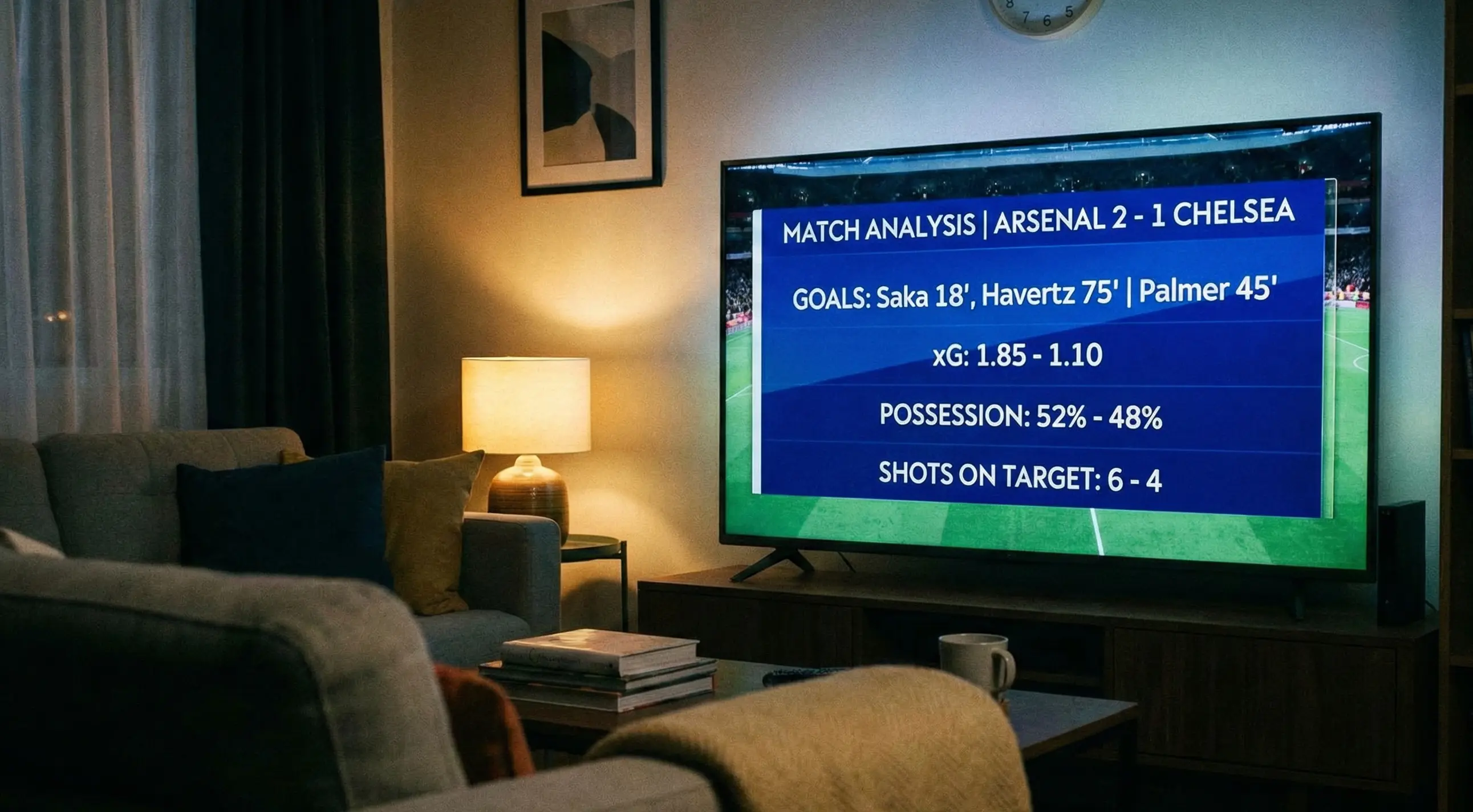
Fixture context shapes goals expectations more than isolated team analysis. A cup quarter-final between Premier League clubs produces different scoring dynamics than a third-round tie between Premier League and League Two opposition. The same teams might produce vastly different goal totals depending on stakes, rotation, and tactical approach specific to each fixture.
Lineup confirmation dramatically affects goals projections. When Manchester City announce a stronger-than-expected lineup, over lines should shorten because their attacking quality increases substantially. When they announce heavy rotation including young defenders, BTTS probability increases even if total goals expectation might remain similar. Market movements following lineup news reveal which factor the market emphasizes.
Weather and pitch conditions deserve consideration for outdoor December fixtures. Heavy pitches slow play and reduce clear chances. Cold conditions can affect concentration and execution. Night matches after cold days produce different ball behavior than controlled environments. These factors rarely receive adequate weight in market pricing, creating occasional value for observant bettors.
Historical fixture patterns provide baseline expectations. When Manchester United hosts lower-league opposition in the Carabao Cup, historical results reveal typical scoring patterns that account for the specific combination of United’s cup approach and opposition quality level. Building database knowledge of team-specific cup behaviors improves prediction accuracy beyond generic analysis.
The sweet spot for any given fixture emerges from combining round context, quality differentials, lineup information, and specific team tendencies. Reaching for over 3.5 when the situation warrants over 2.5 destroys edge through inappropriate line selection. Finding genuine value requires matching your actual conclusion to the line that captures it most profitably.
Predict high-scoring ties on our prediction platform.
