

Every season, the Carabao Cup produces the same narrative arc. A teenager scores a spectacular goal, pundits declare him the future of English football, and betting markets scramble to adjust. By the next round, that same player’s odds have shortened dramatically—often past the point of value—while other equally talented youngsters remain buried at inflated prices. The profitable approach isn’t chasing yesterday’s hero; it’s identifying tomorrow’s breakout before the market catches on.
The EFL Cup has always served as a proving ground for academy talent. Harvey Elliott became the youngest player in the competition’s history at 15 years and 174 days while playing for Fulham against Millwall in 2018. That record stood as a reminder that managers view these matches as acceptable risk environments for blooding prospects. When first-team players need rest and semi-finals feel distant, youth gets its chance. Understanding which young players are ready to seize that chance—and which are being thrown to the wolves—separates sharp betting from hopeful punting.
The Academy Production Pipeline
Premier League clubs invest hundreds of millions in youth development, and the Carabao Cup represents the primary pathway from academy football to senior competition. This isn’t recreational opportunity; it’s structured audition. Managers use early cup rounds to evaluate prospects in competitive environments, assessing not just technical ability but temperament, decision-making under pressure, and physical readiness for senior football.
The players who emerge from this process share identifiable characteristics. They’ve typically dominated at under-18 and under-21 levels, producing statistical outputs that dwarf their peers. They’ve often been promoted to first-team training months before their cup debuts, acclimating to the intensity and tempo expected. Most importantly, they’ve shown mental resilience—the ability to perform when the stakes matter rather than shrinking from occasion.
Arsenal’s Ethan Nwaneri exemplifies the profile. Before his September 2024 debut against Bolton Wanderers, Nwaneri had scored 17 goals in 20 appearances for Arsenal’s youth teams during the previous season, including five in a single FA Youth Cup match. His promotion to first-team training came months before his cup start. When he marked his first senior start with two goals against Bolton, it surprised casual observers but not those who’d tracked his development. The signs were there for anyone willing to look beyond first-team statistics.
Betting on youth requires expanding your research beyond senior football entirely. Academy leagues, youth cup competitions, and international age-group tournaments provide the data that predicts cup performance. A player averaging two goals per match at under-21 level who suddenly starts against League One opposition represents genuine goal threat, yet bookmakers pricing anytime goalscorer markets often fail to account for this context.
Identifying Ready versus Thrown
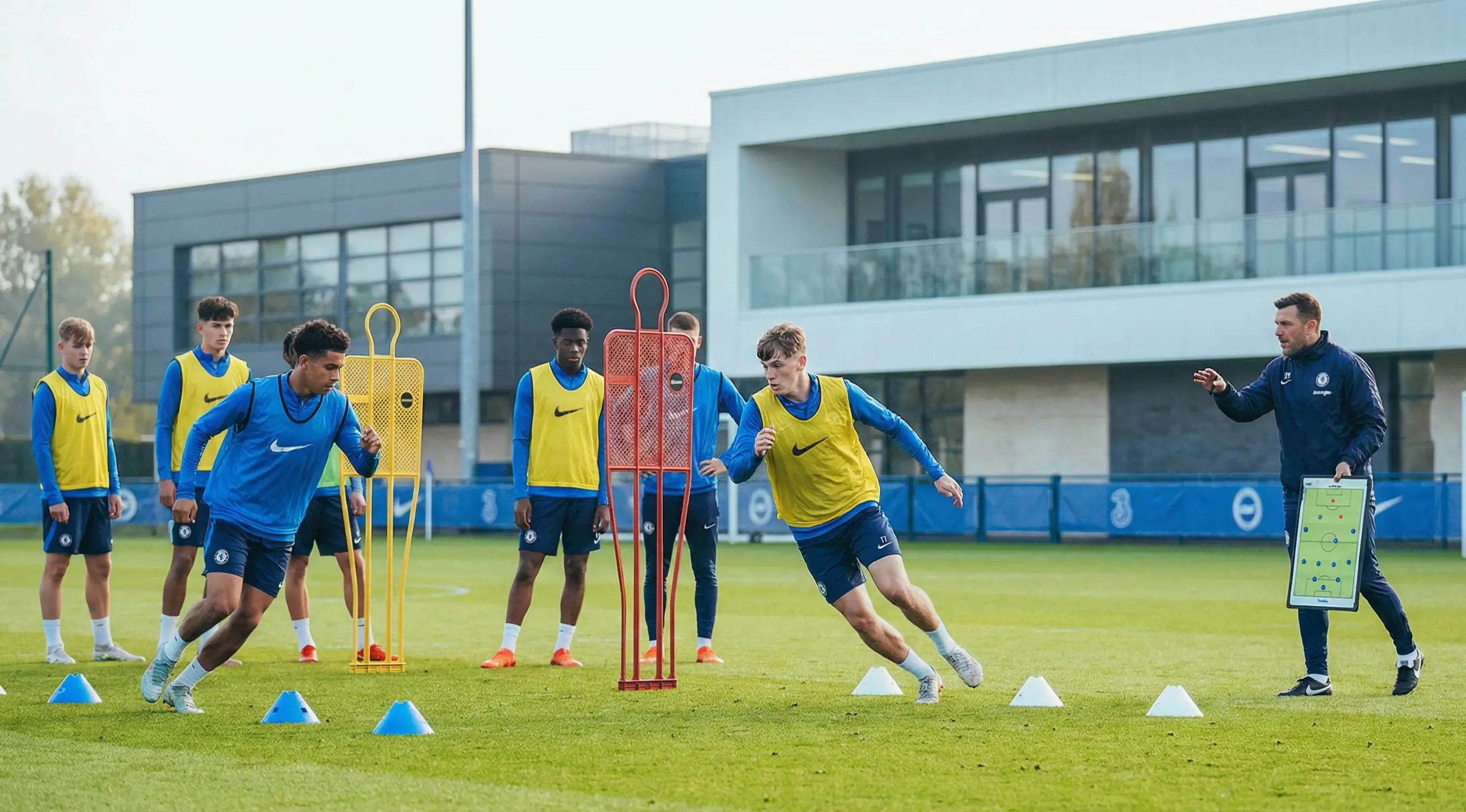
Not all youth appearances are created equal. Some teenagers start because managers genuinely believe they’re ready; others start because injuries and fixture congestion leave no alternative. Distinguishing between these scenarios determines whether betting on young players offers value or represents backing inexperience against hardened professionals.
The ready players typically arrive with preparation. They’ve featured on first-team benches for multiple matches, gaining exposure to matchday routines and professional environments. They’ve often played alongside senior players in preseason friendlies or dead rubbers. Their managers speak about them specifically in press conferences, praising their development and hinting at opportunities. When Mikel Arteta said Nwaneri was “going to deserve a chance soon” days before his first start, the message was clear: this wasn’t desperation selection.
Thrown players appear suddenly, often when injury crises force managers’ hands. Their names appear on teamsheets without prior indication. Their managers offer minimal comment beyond acknowledging circumstances. These players might possess equal raw talent, but they enter matches less prepared mentally and tactically. Backing them carries higher risk because the performance baseline is unknown—they might rise to the occasion or crumble under pressure.
The distinction matters most in defensive positions. Young attackers can hide somewhat; a 17-year-old striker who misses chances but shows energy still contributes. Young defenders exposed to experienced Championship forwards get targeted systematically, and these mismatches create specific betting opportunities. When a Premier League club fields an academy center-back against a promotion-chasing Championship side, both teams to score becomes attractive regardless of overall match quality.
Youth Performance Patterns in Cup Matches
Historical data reveals consistent patterns in how young players perform during cup appearances. Understanding these patterns allows better prediction of individual and team outcomes.
First starts often produce goal involvement at surprisingly high rates. Players seeking to announce themselves take risks that veterans avoid. They shoot from unlikely angles, attempt audacious passes, and press with intensity that sometimes borders on recklessness. This aggression creates chaos—goals at both ends, cards from mistimed challenges, and unpredictable match flows. When multiple academy players start together, the effect compounds.
The Carabao Cup specifically favors attacking youth players over defensive ones. The nature of cup football—single elimination creating desperation, often against theoretically inferior opposition—generates open matches where technical ability on the ball matters more than positional discipline. A young attacking midfielder can influence proceedings positively through individual quality; a young goalkeeper or center-back needs the entire defensive structure functioning to avoid catastrophe.
Substitution patterns affect how youth minutes play out. Managers often protect young players by withdrawing them around the 70-minute mark regardless of scoreline, preserving their confidence if things go badly or their bodies if they’ve expended everything. This timing impacts anytime scorer bets—a young striker likely to play 65 minutes has fewer opportunities than odds might suggest, while one guaranteed 90 minutes because there’s no senior backup offers better expected value.
Market Inefficiencies Around Youth Players
Bookmakers price youth player markets using limited data. A teenager making his second senior appearance has perhaps 120 minutes of competitive football to analyze, against opposition whose quality varied widely. Statistical models struggle with small sample sizes, leading to prices based more on heuristic adjustments than genuine probability estimation.
The most consistent inefficiency appears in goalscorer markets. Young attackers entering cup matches often carry anytime scorer odds between 4.00 and 7.00, reflecting bookmaker uncertainty rather than accurate probability assessment. But a young striker starting against League One opposition, hungry to impress, playing in a team expected to dominate possession, might genuinely have 25-30% goal probability—implying fair odds around 3.50. The gap between priced odds and fair odds represents pure value.
Cards markets for youth players skew unpredictably. Inexperienced players commit fouls through mistiming rather than cynicism, leading to yellows at elevated rates. But referees also show leniency toward obvious teenagers, particularly in early-round cup matches where the atmosphere permits more relaxed officiating. The net effect varies by player and referee, making youth cards a higher-variance proposition than senior player cards.
Assist markets offer hidden value for young playmakers. Creative teenagers often start in cup matches specifically because managers want to evaluate their passing vision and final-ball quality. These players might not score themselves but could easily set up multiple goals for senior teammates given space against inferior opposition. Bookmakers typically price assists based on historical data that doesn’t exist for debutants, creating opportunities for informed bettors.
Youth lineups are a key factor in reading team news correctly.
Building a Youth Player Watchlist

Profitable betting on youth requires year-round research, not last-minute scrambling when lineups drop. Building and maintaining a watchlist of breakout candidates across Premier League academies creates information edge when cup opportunities arise.
Start with the obvious indicators: players named in academy team of the season selections, youth cup standout performers, and England age-group internationals receiving first call-ups. These markers identify the talent pool from which cup debutants will emerge. Then dig deeper—who’s been promoted to first-team training? Which young players traveled with senior squads for preseason tours? Whose social media shows them lifting youth trophies or accepting individual awards?
Track minutes played in preseason friendlies and EFL Trophy matches for under-21 teams. These appearances provide competitive senior football experience without the pressure of first-team results. A young player who’s performed well in these contexts translates better to cup football than one whose experience is limited to academy leagues against similar ages.
The England pathway matters disproportionately. Players selected for European Championships and World Cups at under-17, under-19, and under-21 levels have been vetted by independent scouts and tested against international opposition. Their inclusion in these squads signals readiness that academy performances alone might not demonstrate. When an under-21 international appears on a Carabao Cup teamsheet, the market often underweights their experience because it occurred in a Three Lions shirt rather than a club one.
Maintain notes on playing style that translates well to cup football. Does this young winger take on defenders or play conservatively? Does this midfielder shoot from distance or always seek the extra pass? Does this defender defend front-foot or drop deep? Cup matches against lower-league opposition reward aggression and risk-taking, favoring young players whose natural games embrace these characteristics over those who’ve been coached into conservative patterns.
The Carabao Cup offers eight months of betting opportunities around youth players, from August’s first round through February’s final. The bettors who profit approach it systematically—tracking academy performances during the season, monitoring first-team integration throughout autumn, and positioning themselves to exploit lineup announcements when opportunity arrives. The goals young players score make headlines; the informed bets placed before those goals make money.
Scout the stars of tomorrow on our EFL trophy portal.
