

There exists a golden hour in football betting that separates profitable bettors from everyone else. It begins when official lineups drop—typically 60 minutes before kickoff—and ends when markets freeze for the match start. During this window, information that was speculation becomes fact, and odds that were calculated on assumptions must adjust to reality. In the Carabao Cup, where rotation creates enormous uncertainty, this window offers the most consistent edge available.
The professional betting world revolves around this moment. Sharp money floods in immediately after team news, exploiting the lag between lineup release and bookmaker adjustment. Recreational bettors, having placed their bets hours or days earlier based on brand recognition and league position, find themselves holding tickets on teams that barely resemble what they expected. The sixty-minute window is where knowledge converts directly into value.
Why Team News Matters More in Cup Football
League football operates on relative predictability. Manchester City field essentially the same eleven match after match, with variations driven by injury rather than strategic choice. Betting on a Saturday Premier League match on Tuesday carries limited lineup risk—you’re betting on the team you know, with perhaps one or two changes maximum. The Carabao Cup destroys this assumption entirely.
When Arne Slot announces that Liverpool will field “a completely changed lineup” against Southampton, that statement contains minimal actionable detail. Which players specifically? How young is the bench? Is this heavy rotation or absolute rotation? The answers arrive only when the teamsheet drops. A bettor who backed Liverpool at 1.30 on Tuesday might find themselves holding a ticket on a side featuring four teenagers and a goalkeeper making his debut. That 1.30 should have been 1.80. The bet became unprofitable the moment the lineup released, but the money was already placed.
The magnitude of potential change in cup matches makes pre-lineup betting inherently speculative. You’re not betting on Arsenal; you’re betting on your guess about which version of Arsenal will play. Sometimes that guess is educated—press conference hints, training ground reports, fixture context. Often it’s wishful thinking dressed up as analysis. The sixty-minute window eliminates guesswork and replaces it with fact.
The Mechanics of Odds Adjustment
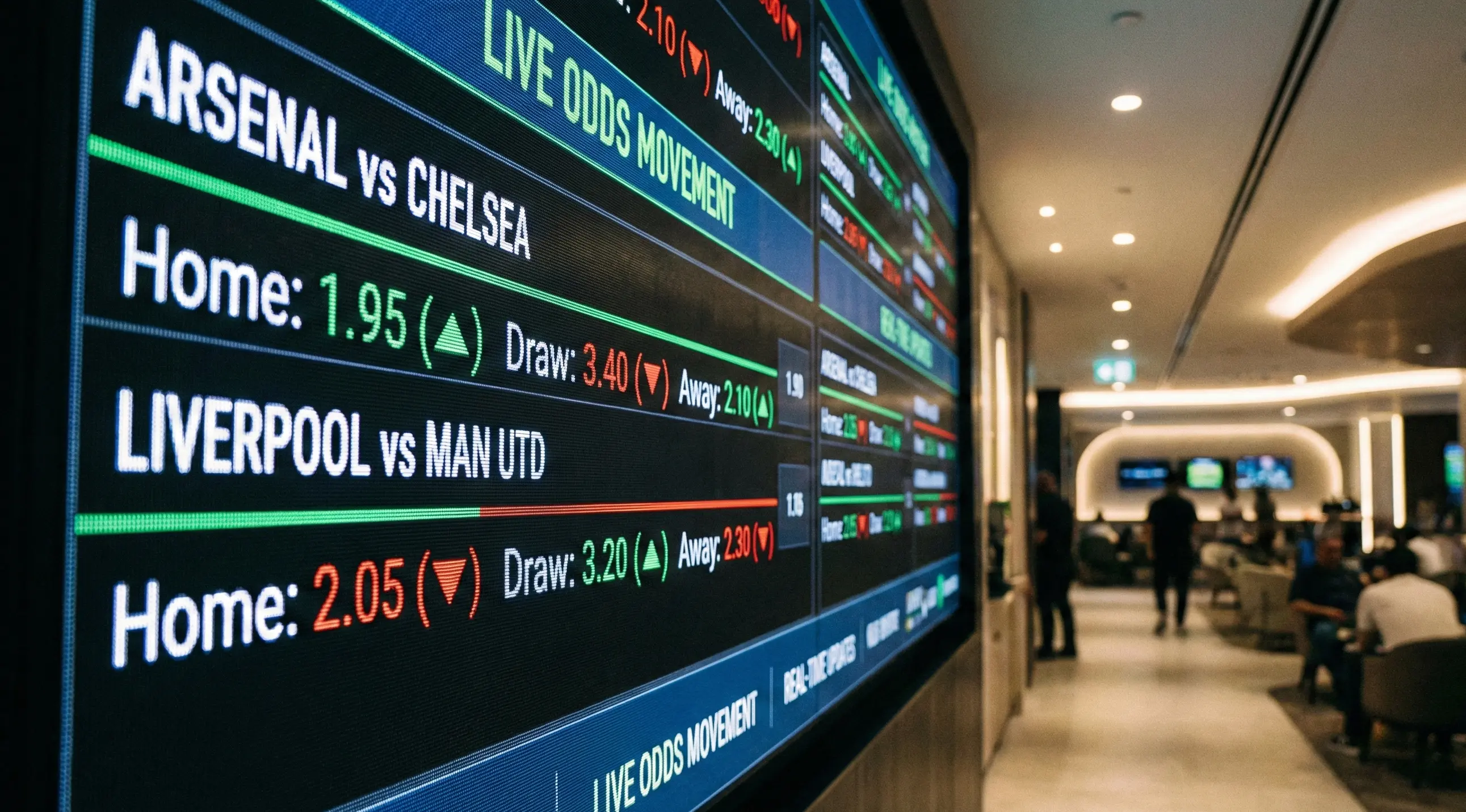
Bookmakers aren’t stupid. They know lineups matter, and they adjust prices accordingly. But this adjustment isn’t instantaneous, and it isn’t always accurate. The initial reaction to team news tends toward overcorrection or undercorrection depending on how surprising the selection proves.
When Manchester City name a stronger side than expected in a quarter-final, odds shorten dramatically but sometimes overshoot. The market assumes a strong City lineup means a comfortable win, forgetting that even Pep’s best eleven can struggle against organized opposition on any given night. Conversely, when a team rotates more heavily than anticipated, odds lengthen—but the market may not fully price in just how poor the replacement players actually are. The gap between a backup left-back with 30 career appearances and a youth prospect making their second senior start is enormous, yet odds often treat rotation as binary rather than graduated.
The sixty-minute window rewards those who can evaluate lineup changes faster and more accurately than the market. This means knowing players—not just starters, but the second and third choices at every position. When Liverpool name Freddie Woodman in goal, you need to know he’s a 28-year-old with 278 career appearances, not some untested teenager. When Arsenal start Ethan Nwaneri, you need to recognize he’s scored in every Carabao Cup appearance and plays with the confidence of a veteran despite his age. These distinctions determine whether odds are accurate or exploitable.
Building a Team News Response System
Successful sixty-minute window betting requires preparation. You cannot research players and evaluate selections in real-time when lines are moving and windows are closing. The work happens before matchday.
Maintain a squad depth document for every Premier League club, updated weekly. Know who plays backup at each position. Understand which young players have impressed in cup matches previously. Track injury timelines for first-choice players—a starter returning from injury might appear on the bench as a precaution, signaling the manager takes the match more seriously than a complete absence would. Note which players have been publicly criticized or frozen out; their inclusion or exclusion tells stories about the manager’s mindset.
When lineups drop, you’re not learning new information—you’re comparing reality against your prepared scenarios. You already know that if Liverpool rest Van Dijk and Konate together, their defensive quality drops by approximately 40%. You already know that Arsenal with Nwaneri and Lewis-Skelly starting represents around 85% of their first-choice creative output. These pre-calculated assessments allow immediate response rather than panicked research.
The practical workflow looks something like this: monitors or apps set to alert you when lineups release, browser tabs pre-loaded with betting markets you’ve identified as potentially valuable, and a clear decision framework for various lineup scenarios. Heavy rotation by the favorite means check alternative markets—draw no bet, qualification, Asian handicaps. Stronger than expected selection means verify whether the odds have adjusted appropriately or overcorrected. Unexpected tactical setups—a different formation or positional change—mean pause and assess implications before betting.
Squad depth is tested when facing second-choice defenders in mid-week games.
Market Selection During the Window
Not all markets move equally after team news. Match result odds adjust quickly because they’re the most visible and heavily traded. Prop markets and player-specific bets often lag behind, creating pockets of value.
Goalscorer markets respond slowly to lineup changes. When a backup striker starts unexpectedly, their anytime goalscorer odds might remain at their pre-match level despite now being guaranteed 90 minutes. Conversely, a first-choice forward named on the bench might still hold short odds despite potentially playing only 20 minutes if introduced. The timing of your bet matters—early in the window, before prices fully adjust, or late after overcorrections create value in the opposite direction.
Cards markets offer particular edge in cup matches. Rotated sides often feature inexperienced players or those seeking to prove themselves, leading to reckless challenges. Alternatively, veterans dragged into cup duty sometimes accumulate yellows through frustration at their teammates’ errors. The adjustment to cards lines after team news tends to be minimal because bookmakers focus on result markets, leaving player cards relatively static regardless of who starts.
Corners and shots markets also lag. A rotated attacking unit typically generates fewer shots on target and fewer corners than a first-choice lineup, but over/under lines for these markets rarely shift proportionally. Finding 2.5 shots on target unders for a backup forward or team corners unders for a significantly weakened side offers consistent value that the market systematically underprices.
Reading Press Conference Signals
The sixty-minute window offers the definitive answer, but press conference hints provide early intelligence that shapes betting strategy. Managers communicate through coded language, and learning to decode this language extends your effective analysis window.
When Guardiola says players who “didn’t play recently” will feature, expect near-total rotation. When Arteta confirms a specific player is “ready to start,” that player will almost certainly be named. Phrases like “we’ll see how everyone is feeling” typically indicate moderate rotation—some changes but not wholesale alterations. “We have to think about the long term” screams rest for key players regardless of the upcoming opponent’s quality.
Manager demeanor matters too. A manager who gives a full 15-minute press conference discussing cup opponents likely takes the match seriously. One who rushes through mandatory media duties and focuses on the next league fixture has mentally moved on. These psychological tells predict rotation severity before any lineup details emerge.
Training ground photography offers supplementary intelligence. Players pictured in full training 48 hours before a match are unlikely to start if rest is the priority. Players notably absent from training photos might be injured, or might be being protected for an important fixture. Social media has created a cottage industry of fans photographing training sessions, and this information—if interpreted correctly—provides early lineup indicators.
Managing the Pressure of Real-Time Decision Making
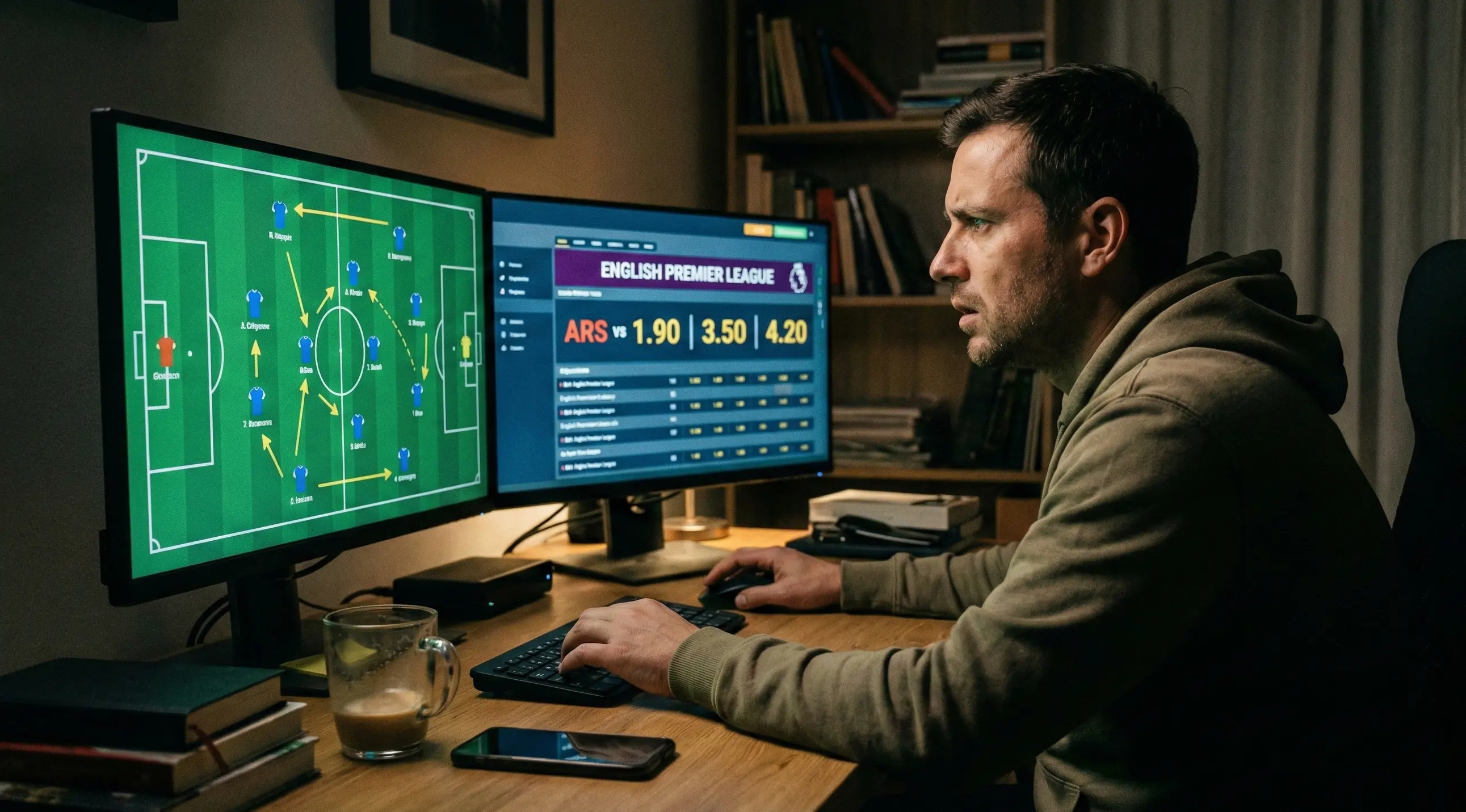
The sixty-minute window creates pressure. Odds are moving, time is finite, and decisions have real financial consequences. This environment breeds mistakes—chasing odds that are disappearing, overreacting to surprising selections, or paralysis that prevents any bet at all.
Discipline matters more than speed. A well-reasoned bet placed with 45 minutes until kickoff beats a panicked bet placed immediately after lineup release. The fastest traders have technological advantages—algorithms that scrape teamsheet data and fire bets within seconds—that you cannot match. Don’t try. Your edge comes from superior player knowledge and market selection, not from being first.
Set predetermined limits for the window. Know your maximum stake before lineups drop. Know which scenarios warrant betting and which warrant passing. When lineups create a scenario you hadn’t anticipated, the correct response is usually to abstain rather than to improvise. Profitable sixty-minute window betting comes from consistently exploiting predictable edges, not from gambling on unprecedented situations.
Review your window betting rigorously. Track which lineup surprises you anticipated and which blindsided you. Identify gaps in your squad knowledge and fill them before the next round. The bettors who profit consistently from team news aren’t lucky—they’ve built systems that reduce randomness and maximize the conversion of information into accurate odds assessment. That systematic approach separates the sixty-minute window from gambling and transforms it into something closer to trading on informational edge.
Get early lineup insights on our football wagering dashboard.
