
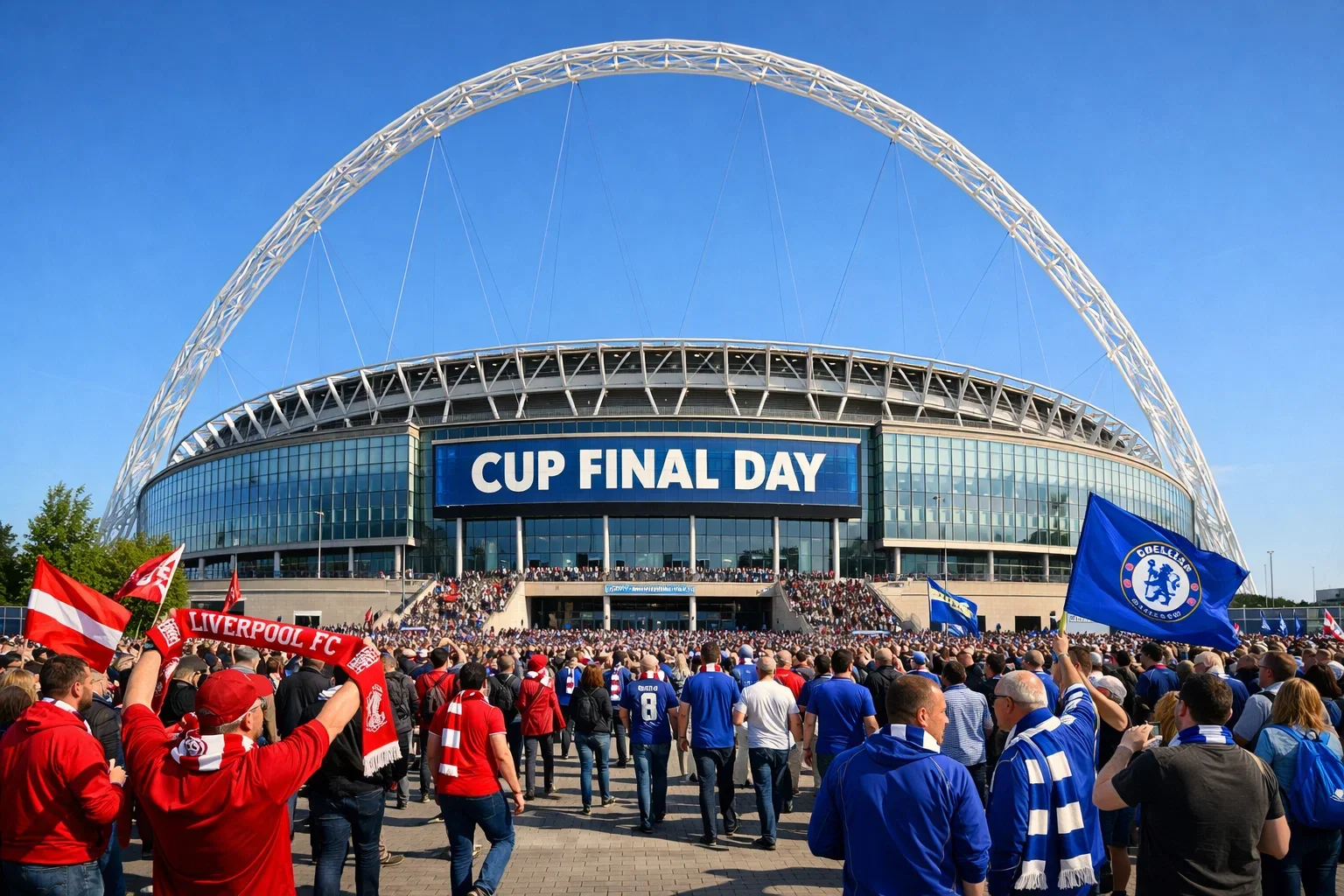
The Carabao Cup final at Wembley represents English football’s first major domestic trophy of the season, typically held in late February or March. Two teams who’ve navigated six rounds of competition meet at a neutral venue for ninety minutes (plus extra time and penalties if needed) that determine the first silverware of the campaign. Final betting differs fundamentally from earlier rounds—no rotation, maximum motivation, and the unique dynamics of one-off showpiece occasions create analytical requirements distinct from any previous fixture.
Wembley’s neutrality eliminates the home advantage that shapes regular football betting. Neither team benefits from familiar surroundings, supportive crowds, or comfortable routines. Instead, both operate in an unfamiliar environment with split supporter sections and occasion pressure that transcends normal competitive stakes. This neutrality compresses expected outcomes around ability rather than context, making finals among the most analytically “pure” fixtures in English football.
The final’s timing—March 22nd for 2025/26—places it during the season’s intense phase. Both finalists are managing league campaigns, potential FA Cup runs, and (for elite clubs) European competition alongside cup final preparation. This multi-competition context affects squad management, mental focus, and the relative priority each team assigns to the Carabao Cup trophy compared to other objectives.
Final-Specific Dynamics
Occasion pressure affects performance in ways regular match analysis doesn’t capture. Finals produce nervous starts, cautious approaches, and decision-making influenced by stakes that exceed normal competitive matches. Some players thrive under final pressure; others visibly struggle. Team-level final experience—how many players have won major trophies—correlates with performance in ways that regular-season form doesn’t predict.
The one-off nature changes tactical approaches. Managers can’t recover from mistakes across a series; every decision carries final consequences. This typically produces conservative early phases where both teams prioritize not conceding over creating chances. Finals often remain goalless longer than regular matches between the same teams would, with opening goals arriving later than standard scoring distributions suggest.
Extra time and penalty potential shapes late-game behavior. When finals approach full-time level, teams balance attacking for winners against protecting positions for shootouts. Teams with stronger penalty records might accept extra time more readily; teams fearing shootouts might gamble more aggressively. Understanding each finalist’s shootout history and current spot-kick specialists improves predictions about late-game dynamics.
Wembley’s pitch dimensions and surface affect certain playing styles. The wide pitch suits teams built around width and crossing; compact pressing teams face more space to cover. Historic pitch quality issues have affected some finals, though modern maintenance has improved consistency. Still, Wembley’s specific characteristics deserve consideration when analyzing how each finalist’s style translates to the venue.
Market Analysis for Finals
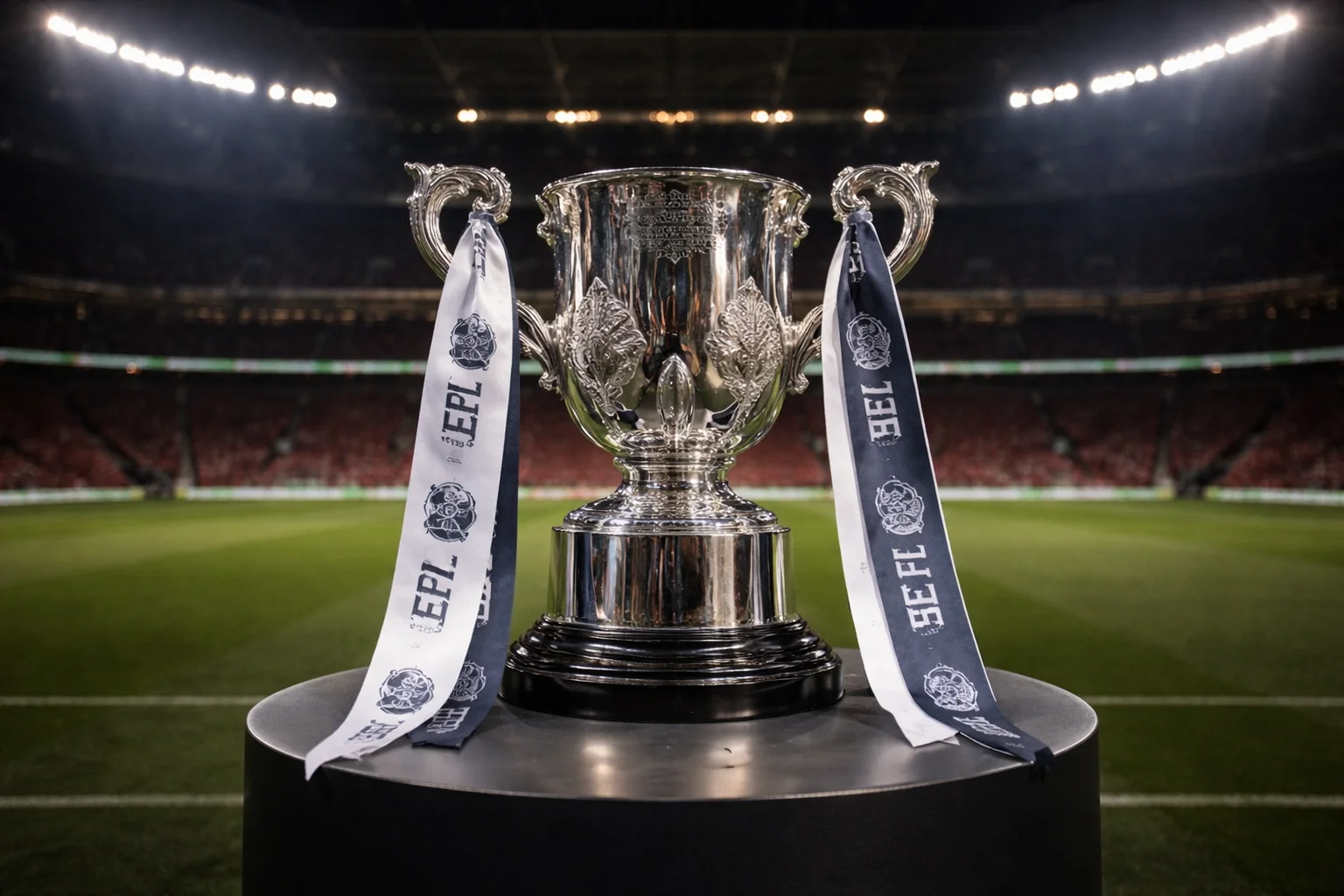
Match result markets receive maximum attention and efficiency in finals. With weeks between semi-finals and final, analysts extensively examine the matchup. Early prices typically offer less value than mid-competition betting because markets have time to incorporate all available information. However, late developments—injuries, form shifts, managerial comments—can still create opportunities that efficient early pricing didn’t anticipate.
Goals markets in finals historically favor unders. The combination of occasion pressure, tactical caution, and fear of mistakes suppresses scoring compared to regular meetings between the same teams. Over 2.5 goals wins less frequently in cup finals than in league fixtures featuring the same quality levels. However, this pattern is known, meaning markets typically account for it—the question becomes whether they’ve adjusted sufficiently.
Correct score markets offer enhanced odds for finals predictions. If you believe a final will produce a specific scoreline—perhaps 1-0 reflecting cautious, low-scoring dynamics—correct score selections provide better returns than match result betting on the same prediction. Finals’ compressed outcome distributions (fewer blowouts, more tight matches) make specific scoreline predictions relatively more achievable.
First goalscorer markets respond to final dynamics. Nervous early phases mean first goals often arrive from set pieces or individual brilliance rather than worked team moves. Players who excel at moments of individual creation—rather than finishing collaborative attacks—sometimes offer value in first goalscorer markets for finals. Penalty specialists also deserve consideration given the frequency of final penalties (both in-match and shootouts).
Review all previous rounds starting with the first round betting guide.
Trophy Motivation Assessment
Understanding what the Carabao Cup means to each finalist reveals motivation levels that shape performance. For clubs without recent silverware, the trophy represents genuine organizational priority. For clubs competing for league titles and Champions League trophies, the Carabao Cup might be valued less intensely despite professional commitment to winning. This motivation differential can affect preparation intensity, selection decisions, and on-pitch urgency.
Manager career trajectory influences final approach. Managers seeking first major trophies, or those under pressure for underperformance, treat finals as career-defining opportunities. Established managers with trophy collections might approach finals more casually, comfortable with their legacy regardless of this result. Reading manager motivations provides insight into likely preparation intensity.
Player-specific motivations matter for individual markets. Players seeking first career trophies bring different energy than decorated winners. Contract-year players hoping to attract suitors might treat finals as showcases. Understanding individual motivation levels within squads improves player-specific market predictions like goalscorer and card betting.
Club supporter base and recent history shape institutional motivation. Newcastle’s 2025 Carabao Cup triumph—their first major domestic trophy since 1955—demonstrated how historical drought creates exceptional motivation. Clubs with similar trophy droughts entering finals often outperform quality-based expectations because the occasion matters more to their entire organization.
Practical Final Betting Strategy

Outright winner markets (to lift the trophy) offer cleaner value than match result when shootout scenarios seem possible. If you believe Team A will win the trophy—through ninety minutes, extra time, or penalties—outright selection captures all pathways while match result betting only captures regulation victory. The odds difference between outright and ninety-minute winner reflects bookmaker shootout probability assessment.
Speculative markets like Man of the Match, first card, or exact minute of first goal offer value for those with specific views. These low-liquidity markets receive less analytical attention than headline markets, potentially preserving inefficiencies. If your final analysis produces specific predictions about match flow, speculative markets may express those views at better prices than main markets.
Live betting finals captures unfolding dynamics. If your pre-match view anticipated a tight, nervous first half that evolves into open second-half football, live markets during the transition period may offer value on overs or specific scorelines. Finals’ extended broadcast coverage and commercial breaks create natural reflection points where live betting strategies can adapt.
Accumulator avoidance suits final betting. Singles on carefully analyzed outcomes typically outperform combining final selections with other matches. The final deserves concentrated attention and appropriately sized positions rather than accumulator exposure where any leg failure eliminates returns. Treat the final as a standalone betting opportunity rather than accumulator component.
Building Final Expertise
Historical final analysis provides patterns worth studying. Track how often favorites win, how scoring distributions differ from regular matches, and which factors (final experience, league position, recent form) correlate with final success. This historical grounding improves prediction frameworks for future finals.
The Carabao Cup final represents the competition’s culmination and English football’s first silverware moment of the season. The unique dynamics of neutral-venue, maximum-stakes, single-match cup finals create analytical requirements distinct from any previous round. Building specific expertise in final betting—understanding occasion factors, motivation assessment, and appropriate market selection—reveals value that regular match betting frameworks consistently miss.
Crown the champions on our final prediction portal.
