
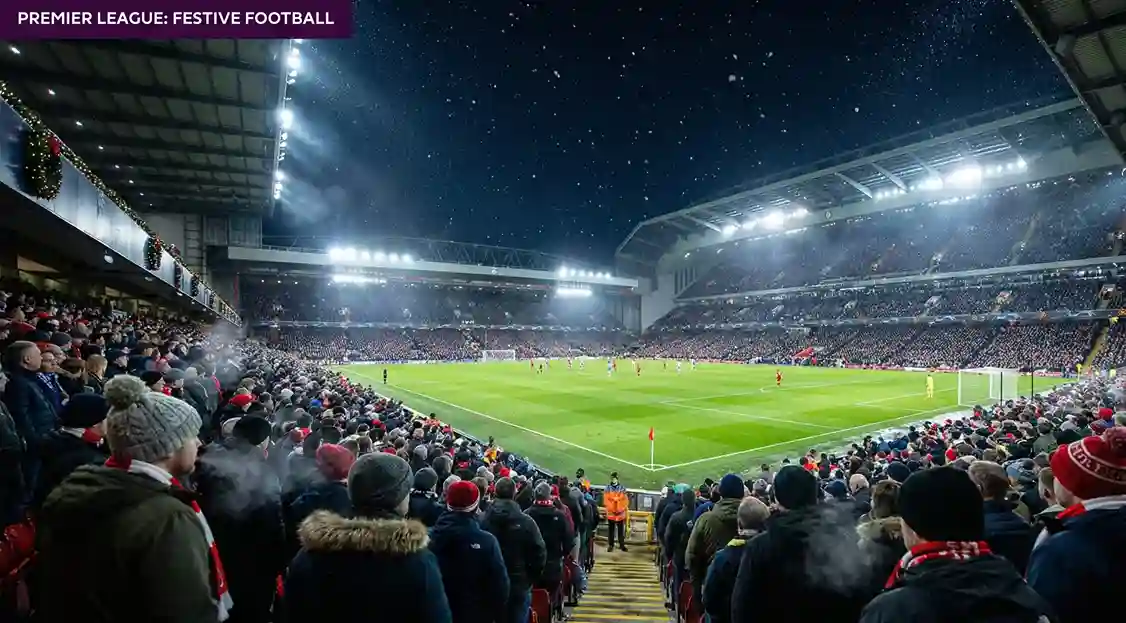
December transforms English football into an endurance contest. The festive fixture schedule—celebrated by broadcasters, dreaded by managers—compresses more matches into fewer days than any other period of the season. For Carabao Cup bettors, this annual chaos creates the most predictable and exploitable market conditions of the entire competition. Understanding Christmas congestion isn’t just helpful; it’s essential for anyone serious about cup betting profitability.
The numbers tell the story. Between December 20 and January 6, Premier League clubs navigate four rounds of league fixtures alongside potential Carabao Cup quarter-finals. Clubs competing in Europe add Continental commitments to already impossible schedules. The result is fixture density that no squad can absorb without significant rotation, performance degradation, or both. When the Carabao Cup asks for attention during this period, it consistently receives the lowest priority.
The Christmas Schedule Anatomy
The 2025-26 festive period illustrates the systematic pressures clubs face. After December 20’s league fixtures, clubs immediately prepare for Boxing Day—though this year’s compressed calendar placed only Manchester United versus Newcastle on December 26 itself, with most fixtures spread across December 27-28. By December 30, another full round arrives. January 1 and January 3-4 complete the sequence, delivering four Premier League matchdays in roughly two weeks.
Carabao Cup quarter-finals land directly in this sequence, typically scheduled for mid-December before the Christmas fixtures properly begin. This positioning is intentional—the EFL creates gaps around the most congested dates—but it doesn’t eliminate the problem. Clubs facing quarter-finals on December 17-18 have played league football on December 14 and face more on December 21-22. The cup matches become the obvious place to rotate.
The scheduling forces strategic triage. Managers must decide which competitions receive full effort and which accept compromised lineups. Title challengers protect their league position above all else. European contenders balance continental and domestic demands. Only clubs without realistic ambitions in higher-priority competitions treat the Carabao Cup as a genuine focus.
This hierarchy plays out visibly in team selections. Guardiola’s admission that City would “not waste energy” on early cup rounds applies with even greater force during December congestion. Arteta’s eight changes against Crystal Palace in the quarter-finals reflected Arsenal’s need to protect players for the Brighton league match days later. These decisions aren’t surprises—they’re predictable responses to impossible circumstances.
Physical and Mental Fatigue Accumulation
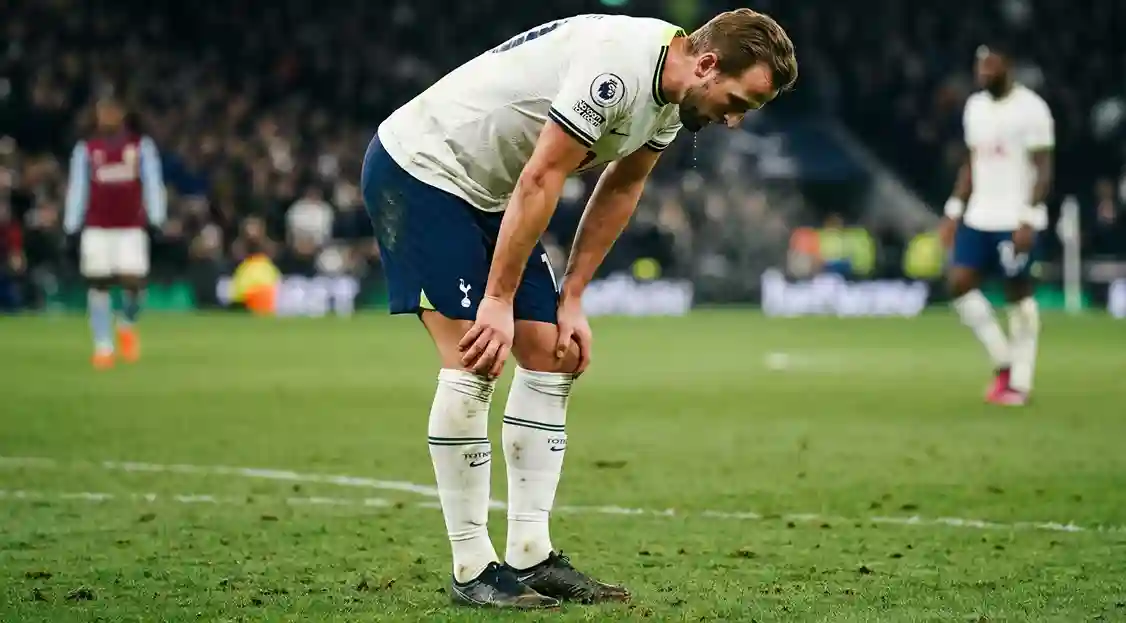
Christmas congestion differs from regular fixture congestion through its cumulative nature. Normal midweek fixtures allow recovery between clusters. December offers no such respite. Matches stack upon matches, with players never fully recovering before the next demand arrives.
Sports science research identifies this accumulation effect as particularly damaging. Studies comparing 48-hour and 72-hour recovery windows show significantly elevated inflammatory markers and muscle damage indicators during compressed scheduling. When December extends these patterns across weeks rather than single instances, the physiological burden becomes severe.
The Premier League’s commitment that no club plays twice within 60 hours during the festive period acknowledges this reality. But 60 hours remains below optimal recovery thresholds. Players entering their fourth match in two weeks carry accumulated fatigue that single-match recovery data cannot capture. Their sprint capacities, decision-making abilities, and injury resistance all suffer progressively.
Mental fatigue compounds physical exhaustion. Preparation time shrinks; tactical briefings become rushed affairs. Players absorb less information and execute complex patterns less precisely. The cognitive load of remembering specific opponent analyses diminishes when new opponents arrive before the previous match’s mental processing completes.
For bettors, this accumulation means that late-December performances often fall below what single-match analysis would predict. A club that performed well on December 21 may struggle on December 27 not because their opponent improved but because accumulated fatigue has pushed them past performance thresholds. Goals markets adjust insufficiently for this progressive degradation.
These busy periods ultimately lead to the cup semi-final betting stage.
Identifying Christmas Rotation Candidates
Not all clubs rotate equally during Christmas congestion, and predicting rotation intensity allows market positioning before team news confirms selections.
Title challengers rotate most aggressively in cup matches because they cannot afford league point losses. Manchester City and Arsenal historically field significantly weakened cup lineups during December, preserving their strongest elevens for league fixtures where points directly affect standings. The expected cost of cup elimination is lower than the expected cost of dropped league points.
Clubs safely positioned in mid-table have different calculations. Teams with neither relegation fears nor European ambitions might treat December cup matches as genuine opportunities, fielding stronger lineups because there’s nothing else to protect. These clubs become dangerous opponents for rotating giants.
Injury-depleted squads face forced decisions. A club carrying multiple first-team injuries cannot rotate as effectively as a fully healthy one. Their “rotated” eleven might still include key players simply because alternatives don’t exist. Track injury news carefully approaching December—squads with health issues become more predictable in their selections.
European competitors face additional layers of complexity. A club playing Champions League football on December 10-11, then league on December 14, then cup on December 17-18, then league on December 21 cannot field full-strength lineups in all four. The cup fixture, lacking qualification implications, becomes the obvious sacrifice.
Market Dynamics During Festive Period
Betting markets during Christmas congestion exhibit specific inefficiencies that systematic bettors can exploit.
Early-week prices often fail to account for rotation severity. Odds posted on Sunday for Wednesday cup matches reflect squad quality and recent form without fully processing the physical demands that intervening fixtures impose. By the time lineups drop, prices have adjusted—but sharp bettors who anticipated rotation have already secured better numbers.
Recreational betting increases during the holidays. Casual bettors, watching more football during time off work, place higher volumes of uninformed bets. These bets often favor big names regardless of expected lineups, creating value on opponents. The concentration of casual money on Manchester City or Liverpool creates artificially short odds that don’t reflect rotated squad realities.
Live betting opportunities multiply when teams rotate heavily. Unfamiliar combinations take time to find rhythm. First-half performances often disappoint for rotated sides before second-half adjustments improve cohesion. Backing overs at halftime, or backing draw results for second-half markets after scoreless first halves, can offer value when rotated teams predictably struggle early.
The festive period also creates unique totals market opportunities. Defensive organization suffers most from rotation and fatigue—it requires coordinated effort from multiple players who may have limited partnership experience. Over goals markets consistently deliver during December congestion, particularly when both teams are navigating fixture pileups.
Building a Christmas Betting Framework

Profitable December betting requires preparation that begins weeks before the festive fixtures.
Map each relevant club’s fixture sequence from December 1 through January 10. Calculate days between matches, note European commitments, and identify which fixtures fall within dangerous 72-hour windows. This mapping reveals which clubs face the most severe congestion chains and which enjoy relative rest.
Track injury news obsessively. December injuries often linger because recovery time doesn’t exist—minor issues become moderate problems because players cannot properly rehabilitate. A hamstring concern noted on December 15 likely affects December availability more than it would during normal fixture periods.
Monitor manager comments throughout November and early December. Statements about “managing the squad” or “thinking about the bigger picture” signal cup deprioritization before specific lineups are announced. These signals allow early positioning on markets that will adjust once the broader public recognizes rotation intentions.
Consider each club’s competitive situation holistically. A club three points behind the league leaders cannot afford cup distraction regardless of other factors. A club mid-table with nothing to play for might view the cup as their season’s primary remaining objective. These motivational factors modify rotation expectations independently of physical demands.
Finally, respect variance during this period. December football produces unusual results because exhausted teams produce unusual performances. Favorites lose to inferior opponents; underdogs mount improbable comebacks; scorelines surprise in both directions. Manage stakes conservatively even when analysis suggests clear edges—the chaos that creates opportunity also amplifies randomness.
The Carabao Cup’s December quarter-finals represent the competition’s most predictable round for betting purposes. The forces driving rotation and fatigue are systematic rather than random. Clubs respond to Christmas congestion through patterns established across seasons. Understanding these patterns—and positioning on markets before they fully adjust—transforms December from betting chaos into structured opportunity.
Scout the winter schedule on our English football dashboard.
