
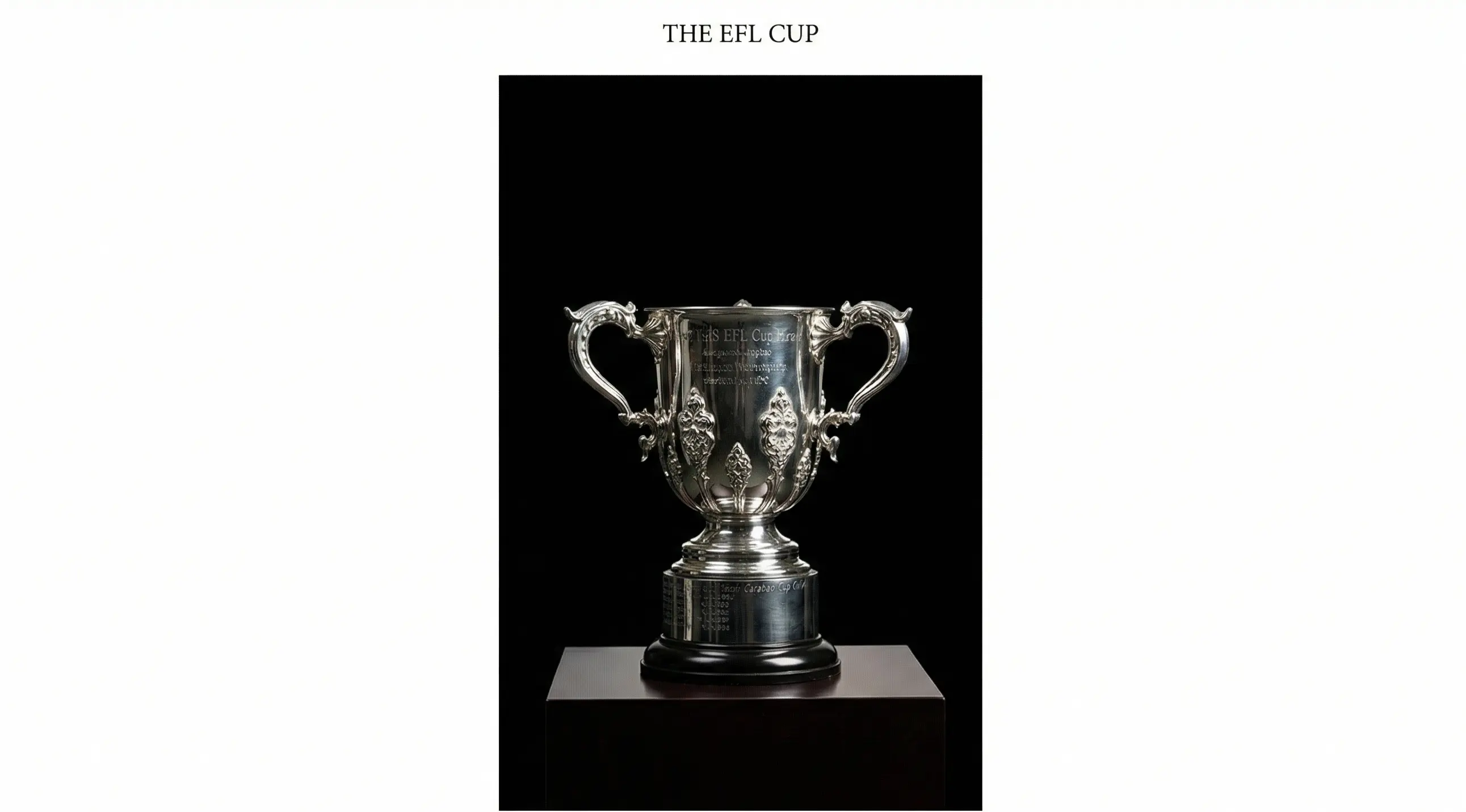
The Carabao Cup’s calendar operates as a compressed tournament squeezed between the cracks of English football’s increasingly crowded fixture list. For bettors, understanding not just when matches occur but why they’re scheduled in particular weeks—and what competing pressures exist at each stage—transforms a basic tournament guide into a strategic betting resource.
The 2025-26 edition marks the 66th season of the League Cup and continues format adjustments made necessary by UEFA’s expanded European competitions. Newcastle United enters as defending champions after ending a 70-year wait for major silverware with their victory over Liverpool in the previous season’s final. The tournament winner qualifies for the play-off round of the following season’s Europa Conference League, adding tangible European stakes to the competition.
The Complete 2025-26 Timeline
The Carabao Cup now begins before the Premier League season kicks off, with a preliminary round during the week of August 4th. This innovation addresses the scheduling pressure created by nine Premier League clubs competing in Europe, requiring earlier starts and extended calendar space. The preliminary round features four League Two clubs—the two newly promoted sides from the National League (Barnet and Oldham Athletic) plus the two lowest finishers not relegated from the previous League Two season (Accrington Stanley and Newport County).
Round One occupies the week of August 11th, featuring 70 clubs: all 24 Championship sides, all 24 League One clubs, 20 League Two teams (the top 20 finishers from the previous season who didn’t require the preliminary round), plus the two preliminary round winners. The draw splits geographically into northern and southern sections, reducing travel costs for lower-league clubs. For bettors, this round offers the season’s first meaningful competitive action, with early-season fitness levels and squad preparations still finding their feet.
Round Two arrives the week of August 25th, when the 11 Premier League clubs not involved in European competition enter the tournament. These 46 matches—the 35 first-round winners plus the 11 new entrants—provide the first Premier League versus EFL matchups, historically the round where major upsets announce themselves. Grimsby Town’s victory over Manchester United in the 2025-26 second round exemplifies the giant-killing potential.
The Third Round, split across the weeks of September 15th and 22nd, introduces the nine European-competing Premier League clubs: Arsenal, Aston Villa, Chelsea, Crystal Palace, Liverpool, Manchester City, Newcastle United, Nottingham Forest, and Tottenham Hotspur. The split scheduling accommodates Champions League and Europa League fixtures, with draw conditions preventing Champions League clubs from facing Europa League opponents to avoid fixture clashes.
Round Four falls in the week of October 27th, reducing the field to 16 teams. By this stage, squad depth becomes apparent—clubs showing rotation fatigue from European campaigns, injury accumulation becoming visible, and the serious contenders typically emerging from the remaining field.
The Quarter-Finals arrive the week of December 15th, perfectly positioned amid the festive fixture chaos. Eight teams compete for four semi-final spots, with the scheduling deliberately creating maximum pressure on clubs managing multiple competitions. The 2025-26 quarter-final draw featured Cardiff City as the lowest-ranked team, demonstrating that lower-league runs remain possible deep into the tournament.
Semi-Finals operate uniquely within the tournament structure, featuring two-legged ties rather than single knockout matches. First legs occur the week of January 12th, with second legs following the week of February 2nd. This three-week gap between legs allows clubs to manage league fixtures while maintaining cup momentum. Extra time applies to second legs if aggregate scores are level, though the away goals rule has been abolished—matches proceed directly to penalties if required.
The Final takes place on Sunday, March 22nd, 2026, at Wembley Stadium. The date falls slightly later than historical finals, accommodating the expanded schedule demands across English football. For bettors, the final represents the tournament’s conclusion but also the culmination of season-long narratives: squad depth, form trajectories, and the psychological weight of reaching Wembley.
Betting Implications by Round

Each tournament stage carries distinct betting characteristics that strategic bettors should anticipate and exploit.
The Preliminary and First Rounds feature clubs at peak uncertainty. Pre-season preparations vary dramatically in quality and intensity across League One and League Two, meaning early August form proves unreliable. Squad compositions may not be finalized, with loan signings and late transfer activity still affecting depth. Home advantage carries outsized weight at lower levels, where pitch familiarity and supporter intensity create genuine factors. Back home sides more heavily in early rounds than quality differentials alone suggest.
Second Round matches, when non-European Premier League clubs enter, create the tournament’s first systematic pricing challenges. Markets often assume Premier League quality translates automatically to results, but second-round timing—still early in the season—means elite clubs are finding their feet. Rotation begins immediately, with managers treating these fixtures as opportunities for squad integration rather than priority matches. Lower-league clubs arriving with momentum from first-round victories often outperform expectations.
Third Round betting requires tracking European fixtures carefully. The split scheduling exists specifically because European matches conflict with standard Tuesday/Wednesday cup dates. Champions League clubs facing Thursday Europa League opponents were kept separate in the draw to prevent fixture impossibilities, but the scheduling stress shows in rotation decisions. Expect the heaviest rotation of any round, as clubs balance three competition fronts for the first time in the season. Goals markets find support from disjointed defensive units; underdog To Qualify odds often carry value.
Fourth Round matches arrive when patterns become clearer. Clubs that prioritize the competition have revealed themselves through lineup selections, while those treating it as secondary have already fallen or continue rotating heavily. The 16 remaining teams typically include genuine contenders alongside surprise packages whose continued presence creates market value. Lower-league survivors may face fatigue from the intensity of giant-killing runs, while Premier League clubs that have rotated heavily may lack cup match sharpness.
Quarter-Final betting deserves maximum attention. December scheduling creates the structural factors discussed extensively in adjacent articles—fixture congestion, European pressure, Christmas proximity—that produce the tournament’s most predictable inefficiencies. Eight matches from the final means genuine stakes, yet the scheduling ensures compromised preparations. Build positions across multiple quarter-finals rather than concentrating on single matches.
Semi-Final strategy differs fundamentally from other rounds. Two-legged ties reward patience, tactical adjustment, and squad depth in ways single matches cannot. The three-week gap between legs allows injuries to heal, suspensions to be served, and form to shift dramatically. First-leg results rarely settle ties definitively—backing draw outcomes in first legs has historically offered value. Second legs carry different psychological weight, with home sides often aggressive and trailing away sides either desperate or deflated.
Final betting benefits from season-long tracking. By March, you’ve observed both finalists across 40+ matches, understanding their squad depth, psychological resilience, and big-match tendencies. The Wembley pitch, neutral venue dynamics, and occasion pressure create unique conditions that historical form may not predict. Cup final specialists—both clubs and individual players—deserve attention in goalscorer and performance markets.
Strategic Calendar Notes
Several scheduling features affect betting strategy across the tournament.
The September third-round split creates a rare opportunity. Matches falling the week of September 15th face different pressures than those scheduled for September 22nd, as Champions League matchday one and Europa League fixtures interweave with cup dates. Track which specific European clubs play on which weeks—those facing critical continental matches immediately before or after their cup tie will rotate most heavily.
October’s fourth round coincides with the international break hangover period. Players returning from national team duty may carry minor knocks or disrupted training patterns. Clubs that provided many international call-ups face greater reintegration challenges than those whose squads remained together.
January’s semi-final first legs arrive during the transfer window, when squad compositions may shift unexpectedly. Players may be distracted by potential moves, while new signings might become immediately eligible for cup ties depending on registration timing. Track transfer news actively during the semi-final period.
The March final falls during the Premier League run-in for clubs chasing league titles, European places, or survival. A club fighting relegation may deprioritize the final despite reaching Wembley, while a side with league business concluded could peak for the occasion. Contextualize final betting within each club’s broader season stakes.
Prize Money and Motivation Context
The Carabao Cup’s prize money sits modest compared to other major competitions. The winner receives £100,000 from the EFL, with runners-up taking £50,000—sums that barely cover top-flight weekly wages. Compare this to FA Cup winnings reaching £2 million or the vast television revenues determined by Premier League finishing position, and the financial motivation gap becomes obvious.
However, the Europa Conference League qualification adds genuine value for clubs otherwise excluded from European competition. Newcastle’s 2025 victory, combined with their Champions League qualification through league placing, meant that qualification spot passed to Nottingham Forest as the next-highest Premier League finisher not already in Europe. This conditional benefit affects motivation calculations—clubs certain of higher European qualification have less tournament stake than those whose continental access depends on cup success.
For bettors, motivation assessment matters most in early rounds when rotation decisions reflect priority judgments. As the tournament progresses toward the final, the trophy’s value increases regardless of associated European qualification. Managers who’ve never won silverware, clubs with extended trophy droughts, and players seeking career-defining moments create genuine intensity that prize money calculations miss.
Track manager and player quotes throughout the tournament. Those who dismiss the competition early—citing squad management or league priorities—telegraph their likely approach. Those who speak of Wembley ambitions and silverware hunger reveal different intentions that lineup selections will confirm.
The Carabao Cup’s position in English football remains contested, with fixture congestion critics suggesting its abolition while defenders cite its tradition and lower-league value. Whatever its future, the 2025-26 edition proceeds along the timeline outlined here, offering bettors who understand its rhythms systematic advantages over those who treat it as an afterthought to league football.
