
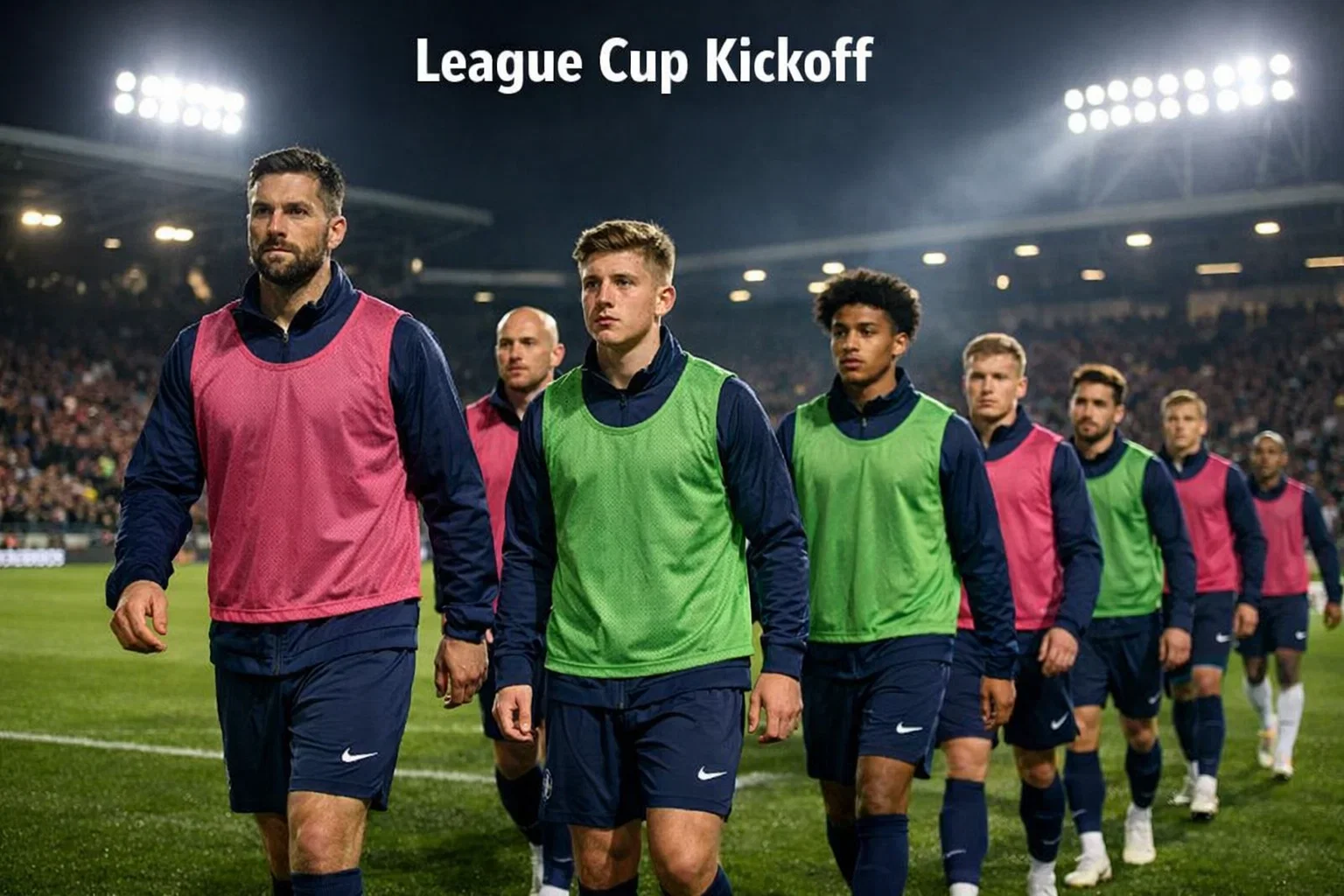
The Carabao Cup second round marks the competition’s first genuine quality collision—Premier League clubs without European commitments enter alongside first-round survivors, creating fixtures that span the entire quality spectrum of English football. Eleven Premier League sides join thirty-five first-round winners, producing matchups where top-flight reserves face League One clubs riding cup momentum. These fixtures define the competition’s character and create betting dynamics distinct from both the lower-league first round and the later stages when serious lineups appear.
Second-round matches during the week of August 25th catch Premier League clubs in their season’s early weeks. League campaigns have begun, rhythms are establishing, but cup priorities remain minimal. Most Premier League managers view these ties as squad-building exercises rather than genuine trophy pursuits. The competition doesn’t reach its intense phase until December’s quarter-finals at earliest—asking players to peak for cup football in late August makes no strategic sense.
Understanding how different Premier League clubs approach second-round ties reveals value that generic quality analysis misses. Some managers treat every fixture as an opportunity to build winning mentality. Others explicitly reserve cup competitions for development. Mapping these tendencies allows predictions that go beyond simply noting which team plays in the higher division.
Premier League Rotation Patterns
Premier League clubs entering in the second round typically rotate heavily, but “heavily” varies significantly across clubs and managers. Some field entirely reserve lineups featuring zero regular starters. Others rotate seven or eight positions while maintaining spine players who need minutes. Still others treat cup ties as opportunities for returning players to rebuild match fitness. Each approach produces different quality levels despite the common “rotation” label.
Squad depth determines rotation capability. Manchester United or Chelsea can field second-choice players who would start for most Championship clubs. Brentford or Fulham rotating heavily might field lineups barely superior to their League One opponents. The market partially accounts for these differences, but the degree of squad depth advantage often receives insufficient weight when pricing fixtures between elite-club reserves and motivated lower-league opponents.
Cup goalkeeper deployment reveals managerial intent. When clubs field their first-choice goalkeeper, it signals seriousness about the competition even if outfield rotation is heavy. When they field third-choice keepers or youngsters, they’re accepting higher concession risk in exchange for competitive minutes. This single selection often predicts overall approach better than analyzing full lineups.
Recent Premier League results affect cup approach. Clubs who’ve started the league season poorly sometimes use cup fixtures to rebuild confidence—fielding stronger lineups than pure squad management would suggest. Clubs who’ve started well feel secure enough to rotate heavily. Monitoring league form provides context for predicting cup approach that lineup speculation alone can’t capture.
Prepare for the big clubs entering in the third round.
Lower-League Club Advantages
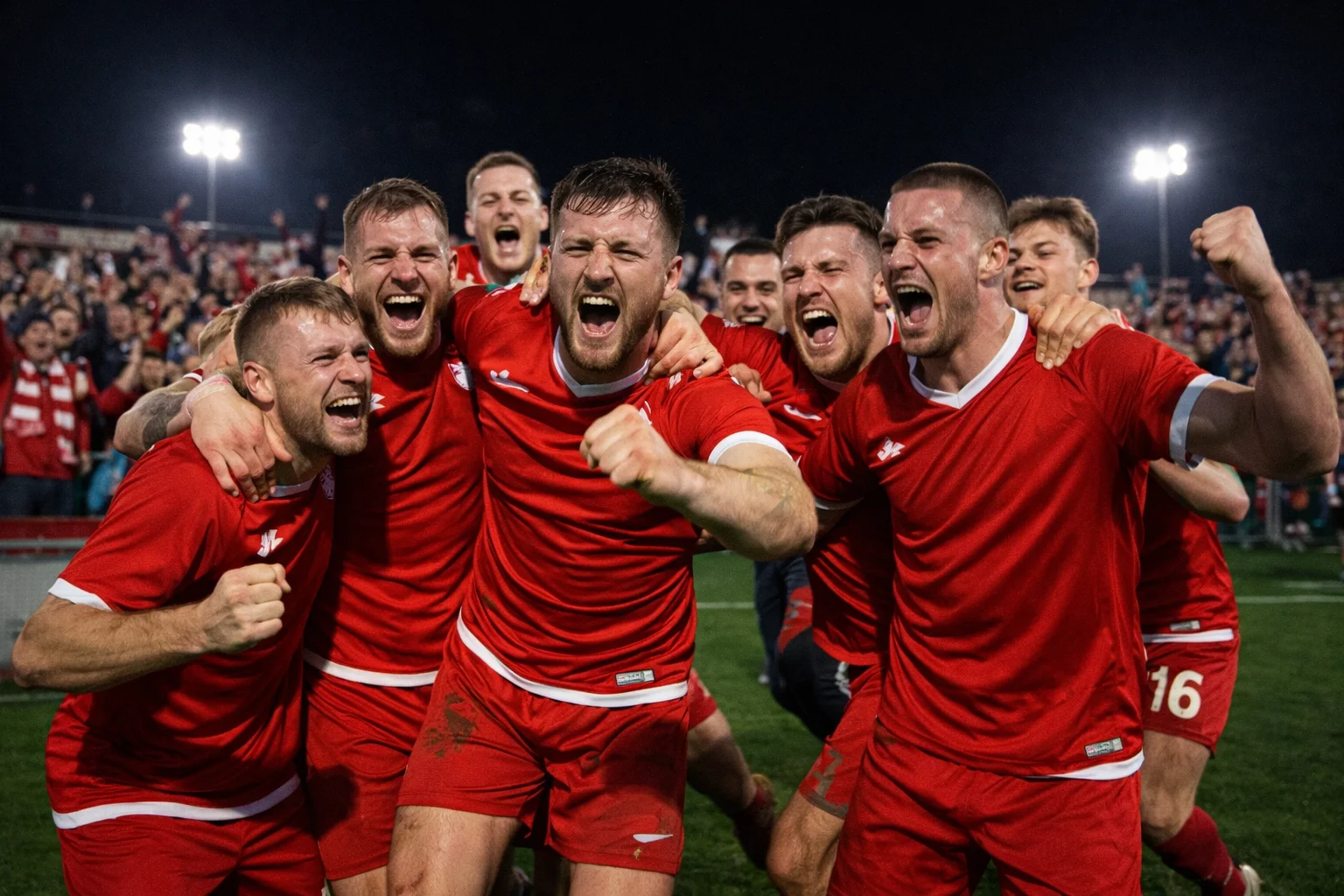
First-round survivors enter the second round with momentum, match fitness, and proven cup competitiveness that Premier League clubs lack. They’ve already won a competitive fixture while their top-flight opponents have played only league matches. This cup-specific preparation advantage rarely receives adequate recognition in pre-match pricing.
The stakes differential creates motivational asymmetry. A League One club facing Premier League opposition represents their biggest match of the season. Players perform above their typical levels; managers prepare obsessively; supporters generate exceptional atmosphere. Against these maximum-effort opponents, Premier League reserves operating at training-match intensity face genuine competitive challenges.
Financial incentives align with sporting ones for lower-league clubs. Prize money for second-round progression matters to clubs with modest budgets. The possibility of drawing a Big Six club in the third round—with guaranteed television coverage and significant gate receipts—motivates serious cup investment. These aren’t abstract considerations; they’re existential for clubs where cup runs meaningfully affect annual budgets.
Home advantage amplifies when lower-league clubs host Premier League opposition. Smaller grounds create intense atmospheres that unsettle visiting reserves unfamiliar with such environments. Limited facilities, different pitch dimensions, and hostile crowds all favor hosts who play in these conditions weekly. Away Premier League clubs rotating heavily face compound disadvantages that their quality advantage may not overcome.
Reading Fixture Context
Second-round fixtures fall within specific Premier League scheduling contexts that affect approach. A Premier League club playing Saturday-Tuesday-Saturday around a cup tie will rest players regardless of opponent quality. A club with a free midweek might field stronger lineups because players need minutes. Mapping individual fixture contexts improves predictions beyond generic rotation assumptions.
The third-round draw’s known timing affects second-round approach. Clubs know that advancing means facing European-competing sides or other Premier League opposition. For some, this creates additional incentive to progress while lineups can remain light. For others, it confirms that serious cup investment should wait until third-round opponents clarify. Understanding which perspective each club adopts improves round-specific predictions.
Manager history in cup competitions signals current approach. Some managers have consistently prioritized cups throughout their careers, treating every trophy as meaningful. Others have explicitly stated that league position matters more than cup success. These philosophical orientations persist across clubs and situations, making manager-specific analysis more predictive than club-specific analysis for second-round expectations.
Squad injury situations affect available rotation depth. A Premier League club with multiple injuries might need fringe players for league duty, reducing cup rotation. Alternatively, they might use cup ties to give recovering players competitive minutes. Tracking injury news and interpreting its implications for cup lineups improves prediction accuracy.
Betting Strategy for Second-Round Ties
Backing lower-league clubs on Asian handicap lines captures competitive value without requiring outright upsets. If you believe a League One club will compete closely with a rotating Premier League side, backing them at +1.5 or +2 offers returns on performances that fall short of victory but demonstrate the competitive gap you anticipated. These markets suit fixtures where underdog quality is underpriced but outright victory seems unlikely.
Goals markets respond predictably to second-round dynamics. Premier League clubs rotating defensively—fielding young center-backs or backup goalkeepers—concede more frequently. BTTS markets offer value when Premier League attacking quality (often maintained even through rotation) meets compromised defensive structures. The combination of maintained offensive capability with degraded defensive quality produces high BTTS rates.
To Qualify markets deserve consideration when penalty shootout capabilities favor lower-league clubs. If your analysis suggests competitive ninety-minute performance but you lack confidence in outright victory, qualification betting captures both outright and shootout scenarios. Some lower-league clubs possess excellent penalty records that make progression via shootout genuinely likely.
Correct score markets at longer odds can offer value for specific predictions. Second-round fixtures frequently produce scorelines like 2-1 or 3-2 to Premier League clubs—narrow victories that reflect genuine competition rather than professional dominance. If your analysis suggests this pattern, correct score selections offer enhanced returns compared to simple match result betting.
Building Second-Round Expertise
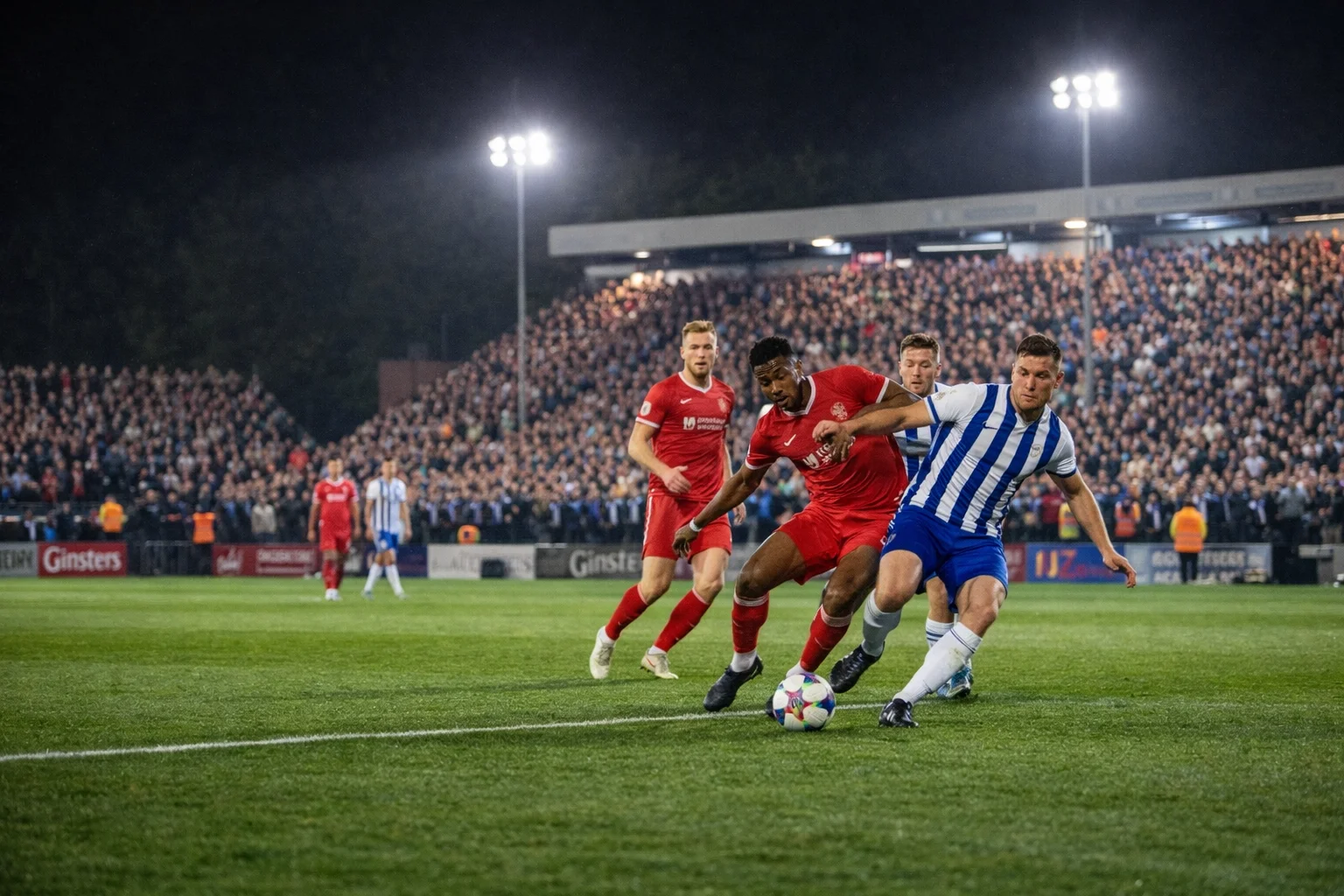
Successful second-round betting rewards specific knowledge about both Premier League rotation tendencies and lower-league club capabilities. Building database information on how each Premier League club typically approaches early cup ties—historical lineup patterns, manager comments, progression rates—improves predictions across seasons.
Lower-league club trajectories matter for second-round assessment. A League One club that won their first-round tie convincingly enters with different momentum than one who scraped through on penalties. Understanding the nature of first-round performances—not just results—provides context for second-round capability assessment.
Market timing creates opportunities around lineup announcements. Second-round odds publish days before matches, reflecting assumed rotation. When actual lineups prove stronger or weaker than expected, odds adjust rapidly. Early positioning based on predicted rotation captures value that disappears once team news confirms approaches.
The second round represents the Carabao Cup’s most analytically rich early stage. Premier League involvement creates attention, but rotation produces uncertainty that rewards careful analysis. Building systematic approaches to evaluating these fixtures—rather than applying generic assumptions about quality differentials—reveals value that casual bettors consistently miss.
Follow the top seeds on our EFL cup guide.
