
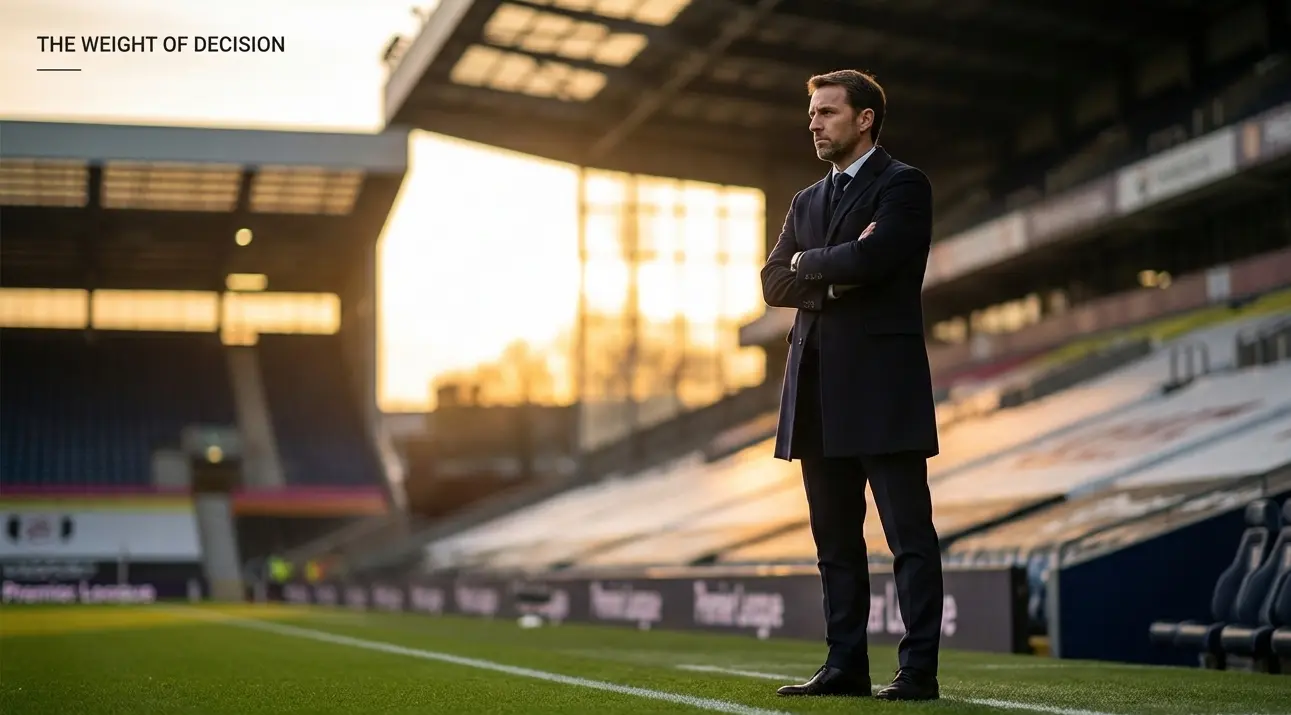
The Carabao Cup exists in a strange liminal space in English football. It’s a trophy that clubs want to win but rarely prioritize until the later rounds, and this contradiction creates one of the most predictable patterns in football betting: squad rotation. Understanding how different managers approach this competition—and more importantly, when they deviate from their usual patterns—is the foundation of profitable EFL Cup betting.
The logic behind rotation is straightforward. Premier League clubs play upwards of 50 matches per season when competing on multiple fronts. The Carabao Cup, with its relatively modest prize of Europa Conference League qualification, sits firmly behind the Premier League, Champions League, and often even the FA Cup in most managers’ hierarchies. Early rounds get sacrificed on the altar of squad management. Later rounds suddenly become priority fixtures. The transition point varies by manager, by club ambition, and by the draw itself.
Pep Guardiola’s Calculated Approach
Manchester City under Pep Guardiola have won the Carabao Cup four consecutive times between 2018 and 2021, yet Guardiola remains one of the most aggressive rotators in early rounds. His philosophy is simple: the competition doesn’t become serious until the quarter-finals. Before that point, expect wholesale changes. After September 2024’s win over Watford, Guardiola stated publicly that City would “not waste energy for this competition” in subsequent rounds, announcing his intention to field players with fewer minutes.
What makes Guardiola’s rotation predictable for bettors is its consistency. He typically makes eight to ten changes in rounds two and three, bringing in backup goalkeepers, academy graduates, and fringe players desperate for minutes. The quality of City’s second string remains higher than most clubs’ first teams, which is why they still progress, but the performance level drops measurably. In December 2025, facing Brentford in the quarter-finals, Guardiola confirmed James Trafford would start in goal and that “all the players that didn’t play recently are going to play” along with academy players, specifically because West Ham awaited three days later in the Premier League.
The betting angle here is nuanced. Backing City to win still makes sense, but expecting them to cover large handicaps or produce cricket scores becomes foolish. Goals markets tighten when Guardiola rotates heavily. The defensive understanding between makeshift partnerships deteriorates, creating genuine goal threats for opponents who would typically be shut out.
Mikel Arteta’s Pragmatic Balance
Arsenal’s approach under Mikel Arteta demonstrates a different philosophy. Arteta rotates significantly—often making six to eight changes in cup matches—but he tends to retain more structural integrity than Guardiola. Against Crystal Palace in the December 2025 quarter-final, Arteta made eight changes from the previous league match, but crucially kept William Saliba in the backline and maintained experienced midfielders. The selection showed Arteta values defensive stability even in rotated lineups.
Arteta has spoken openly about wanting “everyone to feel important,” using the Carabao Cup as a proving ground for fringe players while simultaneously maintaining competitiveness. Gabriel Jesus received his first start in almost a year in that Palace match, having worked his way back from a ruptured ACL. These opportunities create specific betting angles. Players returning from injury or seeking to prove themselves often perform above expectations in cup matches, hungry for minutes and attention.
The key pattern with Arteta is position-specific rotation. He will blood academy players in attacking positions while keeping experienced heads in defense and central midfield. This means Arsenal’s rotated teams often lack cutting edge in the final third but remain defensively sound. Under markets become attractive, particularly first-half unders, as rotated Arsenal sides tend to grow into matches rather than dominate from kickoff.
Arne Slot and Liverpool’s Youth Policy
Liverpool’s rotation strategy under Arne Slot—and previously under Jurgen Klopp—has been among the most aggressive in the competition. The club views the Carabao Cup explicitly as a development opportunity. Slot confirmed before the September 2025 third-round match against Southampton that it would be “a completely changed line-up,” with key players like Virgil van Dijk, Mohamed Salah, and Ryan Gravenberch resting entirely.
This policy backfired spectacularly in October 2025 when Liverpool lost 3-0 at home to Crystal Palace in the fourth round, with Slot naming a bench comprised entirely of academy prospects. The manager defended his selections, noting that injury concerns and fixture congestion demanded prioritization. He pointed out that Liverpool reached the final the previous season with similar rotated lineups, though circumstances differ when form is poor.
For bettors, Liverpool’s Carabao Cup matches represent genuine upset potential. The gulf between their first-choice eleven and rotated sides is massive, perhaps the largest in the Premier League given how elite their starting lineup has become. Backing opponents on double chance or Asian handicaps becomes viable strategy, particularly against Championship or strong League One opposition playing their strongest sides.
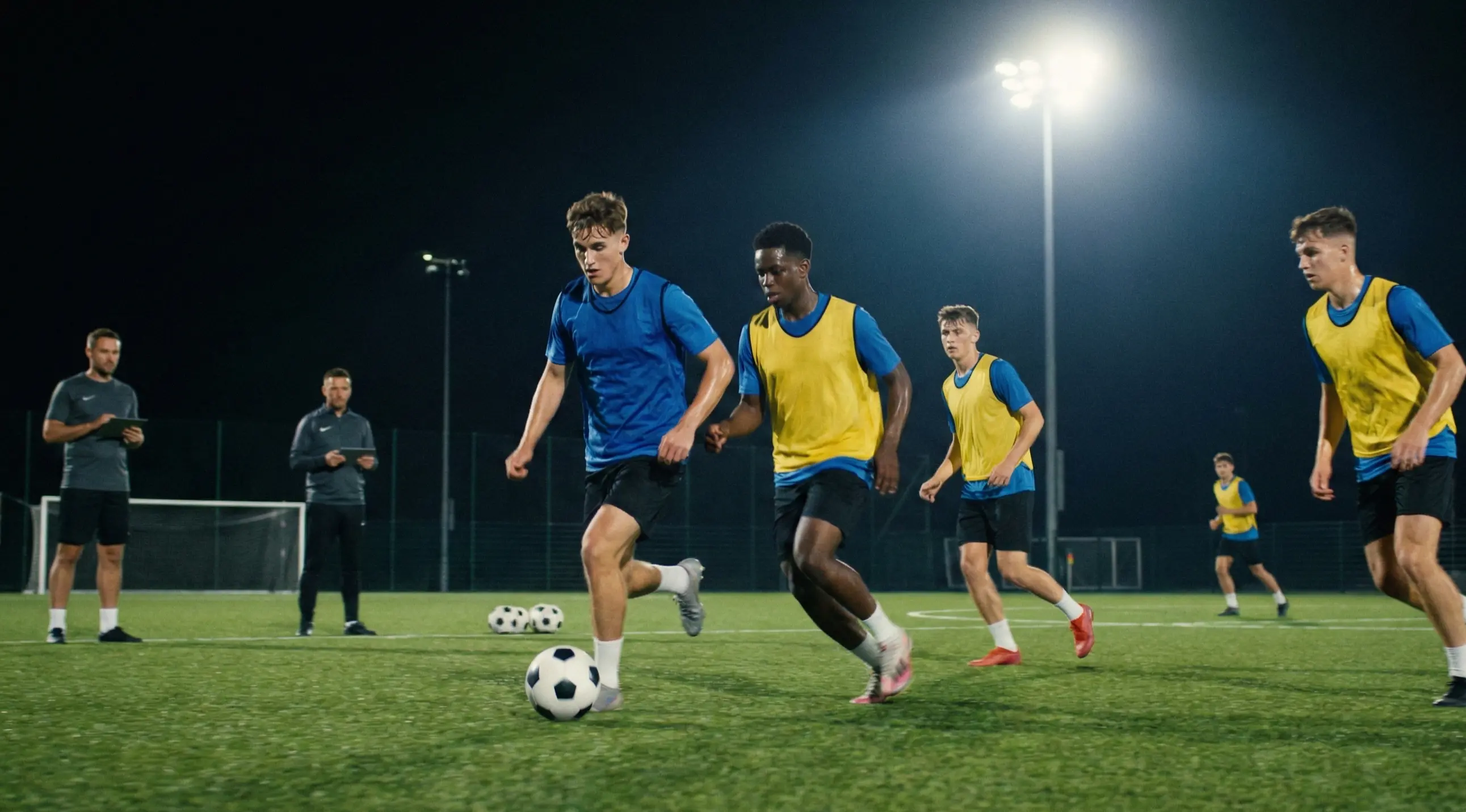
Managers often field youth players during the early cup rounds.
Reading Between the Lines
The press conference is the bettor’s best friend when analyzing cup rotation. Managers often telegraph their intentions 24 to 48 hours before matches. Guardiola announcing that academy players will feature, Arteta confirming a player is “ready to start,” Slot listing five players who will sit out—these statements provide actionable intelligence before lineups drop.
The timing matters enormously. Most Carabao Cup team news arrives approximately one hour before kickoff, giving sharp bettors a narrow window to react before odds adjust. Recreational punters who bet early in the week based on reputation rather than likely selection get crushed when Manchester City fields teenagers or Liverpool rests their entire first eleven. The edge comes from anticipating rotation severity accurately.
Context shapes rotation decisions. A manager whose team just lost a crucial league match might strengthen his cup lineup to restore confidence. Conversely, a massive Premier League fixture three days later almost guarantees heavy rotation regardless of the opponent’s quality. European fixture congestion adds another layer—Champions League clubs entering in round three often field virtually unrecognizable lineups, having played continental football days earlier.
The Quarter-Final Transition
Something changes in the Carabao Cup at the quarter-final stage. Suddenly managers speak differently about the competition. Guardiola noted that “when you’re one game away to the semi-finals, if you can take it, take it, because you never know when it’s coming back.” Three matches from Wembley transforms calculation. Rotation continues but becomes more selective, with managers identifying which positions can accept quality drops without compromising results.
This transition creates interesting betting scenarios. Odds remain calculated on expected rotation based on historical patterns, but managers often field stronger teams than anticipated at this stage. The market overestimates rotation severity in quarter-finals because it weights early-round behavior too heavily. Finding value on favorites to cover or qualification markets becomes possible when you identify managers prioritizing progress over rest.
The two-legged semi-finals add further complexity. First legs tend to see cautious approaches regardless of rotation levels, while second legs can produce either processions or desperate scrambles depending on aggregate positions. Betting these ties requires understanding not just rotation patterns but the psychological weight managers attach to reaching Wembley.
Practical Application for Bettors

Building a rotation database pays dividends over seasons. Track how many changes each Premier League manager makes by round, by days’ rest between matches, and by opponent quality. Patterns emerge quickly. Some managers never rotate their goalkeeper regardless of circumstances; others treat the position as the first to change. Some keep their captain on the pitch for leadership; others rest star players entirely.
The goal isn’t predicting exact lineups—that’s impossible—but estimating rotation severity accurately enough to identify mispriced markets. When you expect heavy rotation and odds haven’t adjusted, betting against the favorite or taking unders becomes valuable. When the market overestimates rotation based on historical precedent but circumstances suggest a stronger selection, the favorite offers value.
Squad depth matters more than reputation in rotated matches. A club with genuine quality across 20 players handles rotation better than one relying on a core eleven. Manchester City’s second-choice eleven would challenge for top-four; Liverpool’s rotated side might struggle in the Championship. These quality gradients determine whether backing the favorite in rotated matches makes sense or represents throwing money away on a name rather than an actual team.
The Carabao Cup rewards bettors who do the work. It punishes those who bet on reputation without considering who actually takes the pitch. Understanding rotation patterns isn’t just useful—it’s essential for anyone serious about finding value in English football’s most predictable competition.
Follow dugout strategies on our cup betting expert portal.
